
Planning a Year of Preparedness Around a Monthly Gear Box
Preparedness works better as a yearly rhythm than as one big shopping trip. Ready.gov says to "Build your emergency supply kit over time," and its 2026 Preparedness Calendar already gives every month a theme, from #WinterReady in January to Holiday Fire Safety in December. Pick the hazards that matter where you live, map them onto those months, and give each month one small job: a kit check, a plan update, or a skill to practice. A monthly gear box then has a natural slot every month, when you sort what arrived into the kit with the biggest gap. You will not know what is in the box ahead of time, so plan around gaps and checks, not around specific items.
Most people prepare in bursts. A storm is in the forecast, the store shelves empty, and a kit gets thrown together in an afternoon. Then it sits untouched until the next scare. A monthly subscription can either make that worse (a shelf of good gear nobody has sorted) or fix it, by giving you a reason to touch your preparedness once a month, every month.
Here is what we drew on. For the shape of the year we used Ready.gov's Preparedness Calendar, its Low and No Cost Preparedness page, its Build a Kit page and its car safety page, plus the U.S. Fire Administration's smoke alarm page. For TacticalBox's own terms we re-read the subscribe page, the refund policy and the cancel membership page on the day we wrote this. Where we add our own thinking, we label it as our judgment.
Start With Where You Live
A year plan built around somebody else's weather is a plan for somebody else. The first step costs nothing.
| 01 | Know your hazardsThe first item on Ready.gov's Low and No Cost Preparedness page is to "Know what kind of disasters and emergencies are most common for where you live." A coastal family and a mountain family should not have the same calendar. |
| 02 | Build over time, from what you haveThe same page says "Build your emergency supply kit over time. Start with items you may already have in your home, like a flashlight, extra batteries, copies of important documents, water and non-perishable food." |
| 03 | Cover home, work and carThe Build a Kit page says "Since you do not know where you will be when an emergency occurs, prepare supplies for home, work and cars." That is three kits to fill over a year, not one. |
| 04 | Get the plan and alerts in placeReady.gov's low-cost list also says to create your emergency communications plan and to "Sign up for emergency alerts in your area." Neither one needs any gear at all. |
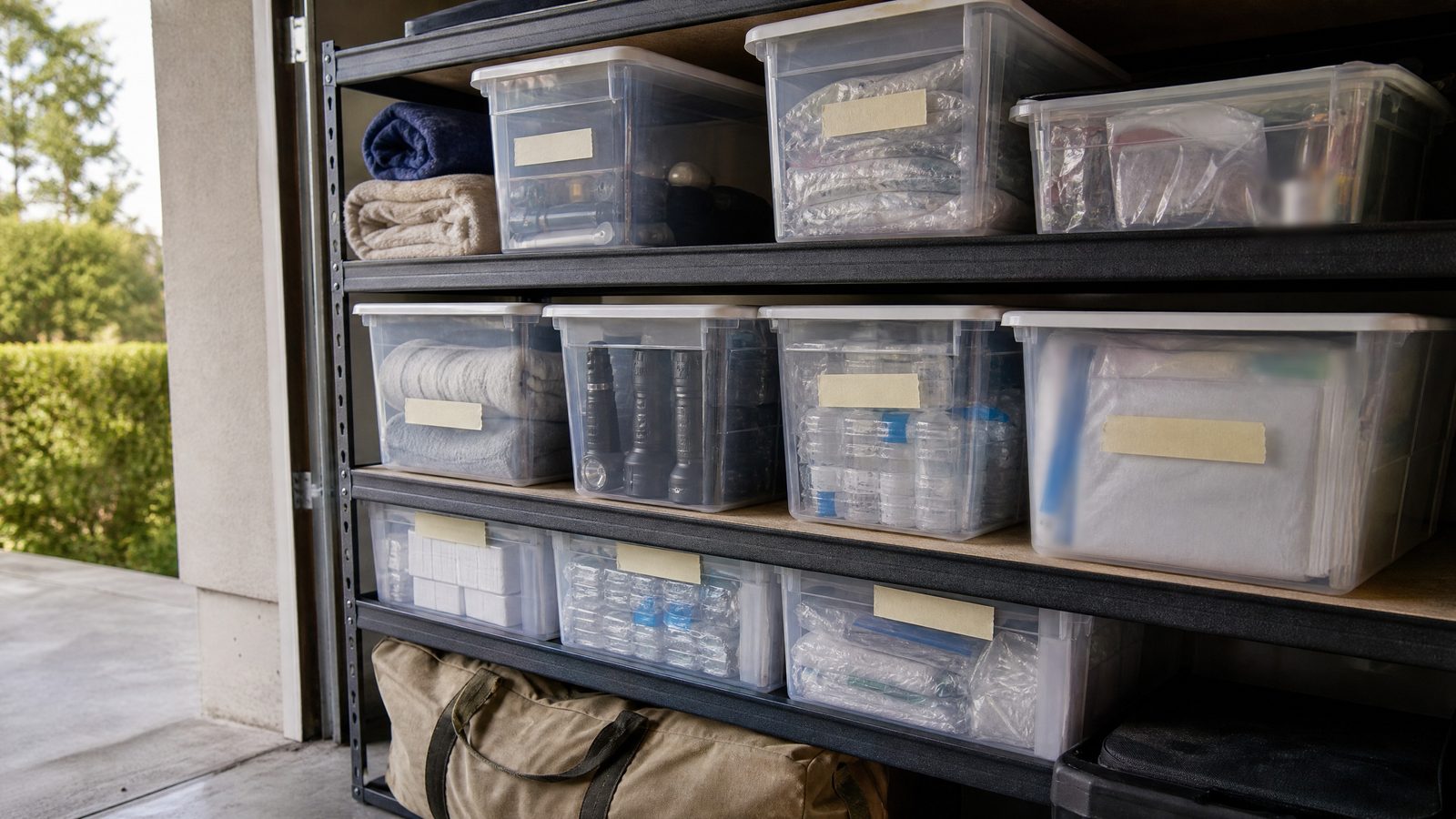
Our judgment: if you are starting from zero, build the home kit first, because it is where most households spend the most hours, and Ready.gov's basic supply list maps onto it directly. Then the car, then work. Do the free items in the first month, before any gear arrives: alerts, a written plan, and, as the same Ready.gov page suggests, important phone numbers stored "somewhere besides just your cell phone." Our guides to weather radios and emergency alerts and building a go-folder of documents cover two of those first-month jobs, and our sister site 1st Hour has a family emergency plan guide for the communications plan.
Borrow Ready.gov's Calendar, Then Make It Yours
Ready.gov publishes a Preparedness Calendar that it describes as "a planning tool that marks preparedness activities and provides customizable resources to help promote preparedness throughout the year." It is written for people and organizations spreading preparedness messages, not as a household checklist, and it says "Please feel free to adapt the materials to hazards that can impact your local area." Its monthly themes still make a good skeleton for a personal year.
| 01 | January and FebruaryThe 2026 calendar marks #WinterReady in both months, and February is National Canned Food Month. A natural pairing: check the winter car kit, then go through stored food and rotate what is close to its date. |
| 02 | March, April and MayMarch is Spring and Flood Safety plus National Tsunami Awareness Week. April is Severe Weather Safety. May is National Wildfire Awareness Month and National Hurricane Preparedness Week. Spring is when the warm-season hazards get their turn. |
| 03 | June, July and AugustJune carries National Lightning Safety Awareness Week and #SummerReady, July is Fireworks Safety, and August is Back to School, with Children and Youth Preparedness. Summer is a good stretch to refresh any kit that kids carry or depend on. |
| 04 | September through DecemberSeptember is National Preparedness Month. October is Cybersecurity Awareness Month, National Fire Prevention Week and the Great ShakeOut Earthquake Drills. November and December return to #WinterReady and Winter Weather Safety, and December adds Holiday Fire Safety. |
Our judgment: cross out the themes that do not touch your area and double up on the ones that do. A Gulf Coast household might spend all of May and June on hurricane prep; a household in snow country might start #WinterReady in October. For the hazard months that matter to you, our guides to flood preparedness, hurricane preparedness, wildfire evacuation, earthquake prep and winter storm prep each fit a month on this calendar.
Put the Recurring Checks on the Calendar
Some jobs are not seasonal at all. They just need to happen on a schedule, and the easiest way to make sure they do is to pin them to dates you already notice.
| 01 | Test smoke alarms monthlyThe U.S. Fire Administration says to "Test the alarm monthly" for every type it lists. For alarms powered by a 9-volt battery it says "Replace the batteries at least once every year" and "Replace the entire smoke alarm every 10 years." Hardwired alarms get the same 10-year rule plus a yearly backup battery; long-life lithium alarms are replaced according to the manufacturer's instructions. |
| 02 | Replace what expiresThe Build a Kit page says "Replace expired items as needed." Food, water, medications, batteries and some first aid supplies all have a shelf life. |
| 03 | Re-think the whole kit once a yearReady.gov also says to "Re-think your needs every year and update your kit as your family's needs change." |
| 04 | Prep the car before the season turnsReady.gov's car safety page says to "Have a mechanic check the following on your car before an emergency," with a list that includes antifreeze levels, the battery and ignition system, brakes, and the heater and defroster, and to "Install good winter tires and make sure they have enough tread." |
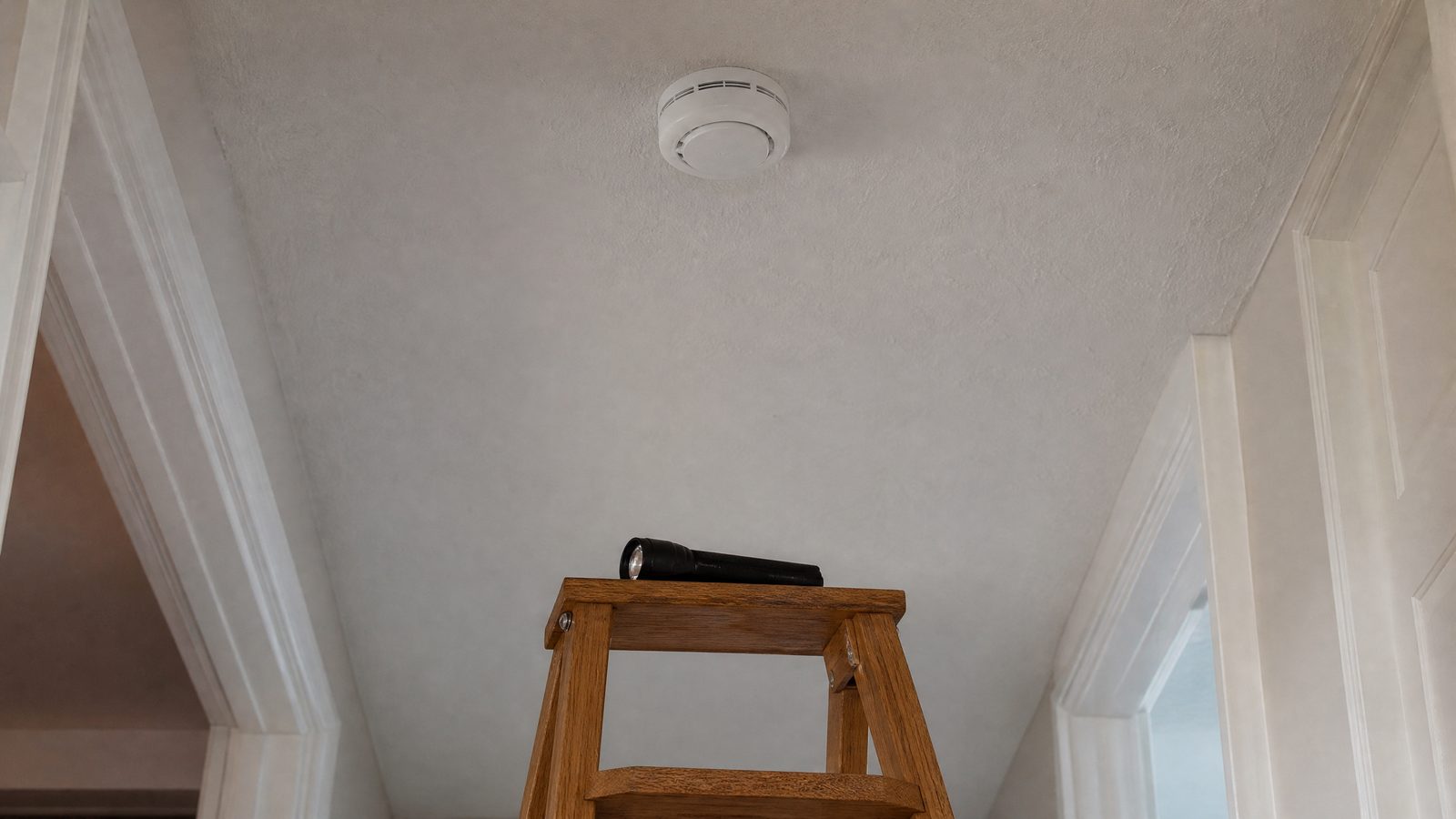
Our judgment: on a monthly plan, the smoke alarm test is the one job worth tying to your box: when the box lands, press the test button before you open it. On the Quarterly plan the box only comes every three months, so give the alarm test its own monthly reminder. The yearly review and the car check fit well at the two clock changes in spring and fall, when most people are already resetting things around the house. Our winter car emergency kit and home fire escape planning guides fill in what those checks should cover.
Let the Box Set the Rhythm, Not the Plan
A gear subscription is a delivery schedule, and a delivery schedule is useful for preparedness only if something happens when the box arrives. Here is what TacticalBox's own pages say about that schedule.
| 01 | Know your cadenceThe subscribe page lists the Standard plan as "Delivered once per month" and the Quarterly plan as "Delivered every 3 months," describing Quarterly as "three months of Pro Box gear packed into one bigger quarterly shipment." Monthly delivery gives you twelve small sorting sessions a year; quarterly gives you four bigger ones. |
| 02 | Decide before you use anythingThe refund policy gives you "30 days after receiving your item to request a return," and the item must be "in the same condition that you received it, unworn or unused, with tags, and in its original packaging." Using a piece takes it outside that policy. Separately, the cancel membership page says "We offer 100% money back guarantee policy on our monthly gear memberships" and that you can return gear "for a full-refund if you are not totally satisfied for any reason," with no conditions listed. The pages do not say how those two paths fit together, so ask support@tacticalbox.com which one applies before you send anything back. |
| 03 | Skip or pause when the plan says soThe subscribe page says "You can cancel, pause, or skip your TacticalBox subscription anytime from your account." If your kits are full or a month on your calendar is about a plan rather than gear, skipping is part of the plan, not a failure of it. |
| 04 | Plan around gaps, not itemsTacticalBox is a mystery box, so a year plan cannot say which piece arrives in which month. What it can say is which kit has the biggest gap and which check is due. When the box arrives, those two answers decide where each piece goes. |
Our judgment: make the arrival day a fixed fifteen-minute routine. Test the smoke alarm, open the box, decide what stays, give each keeper a kit, and do that month's calendar job. Our guides to storing, rotating and building a kit, comparing the Standard, Pro and Quarterly plans and how cancel, pause and skip work cover each part of that routine in more depth.
Get The Year Of Preparedness Planner As A PDF
One page: all twelve months with Ready.gov's 2026 calendar themes, a line for your own job each month, the recurring checks, and a box-day routine to tape inside a cupboard door.
Download the Year Planner (PDF)Give Your Year A Monthly Rhythm
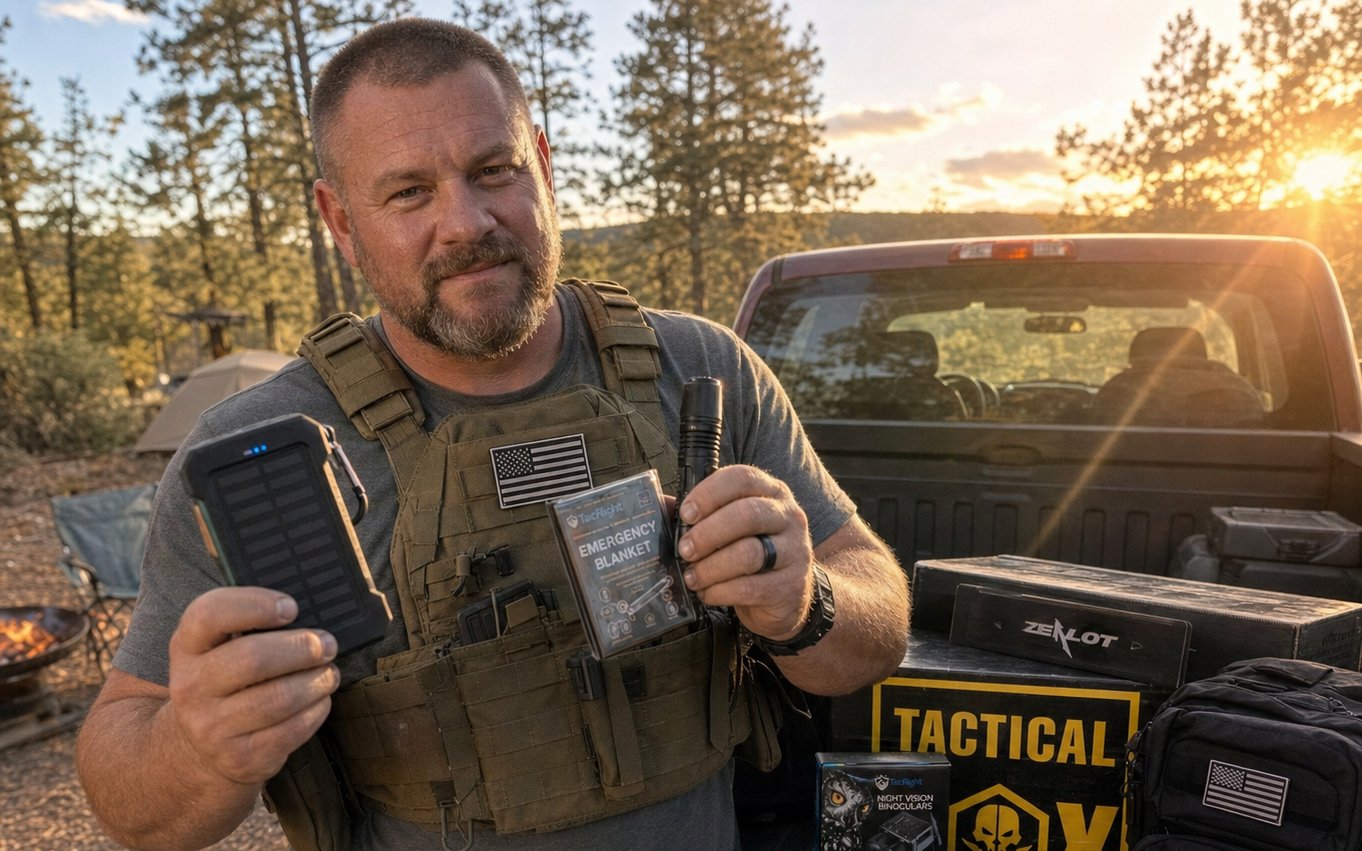
Every month, TacticalBox members get hand-picked tactical, survival, and outdoor gear, sourced ourselves from makers all over the country and curated to be some of the best equipment on the market, worth $150 or more per box on the Standard plan. It's an easy way to keep a preparedness plan moving month after month without hunting down every piece yourself. Backed by a money-back guarantee. Cancel, pause, or skip anytime.
Join TacticalBoxThis content is for informational purposes only. Calendar themes are taken from Ready.gov's 2026 Preparedness Calendar and can change from year to year. TacticalBox's subscribe page, refund policy and cancel membership page are quoted as read on the date of writing; those pages can change, so treat the live pages as the final word and contact support@tacticalbox.com with questions. Follow your smoke alarm manufacturer's instructions and local emergency management guidance for your area.