
Wildfire Evacuation Checklist for Rural Homes
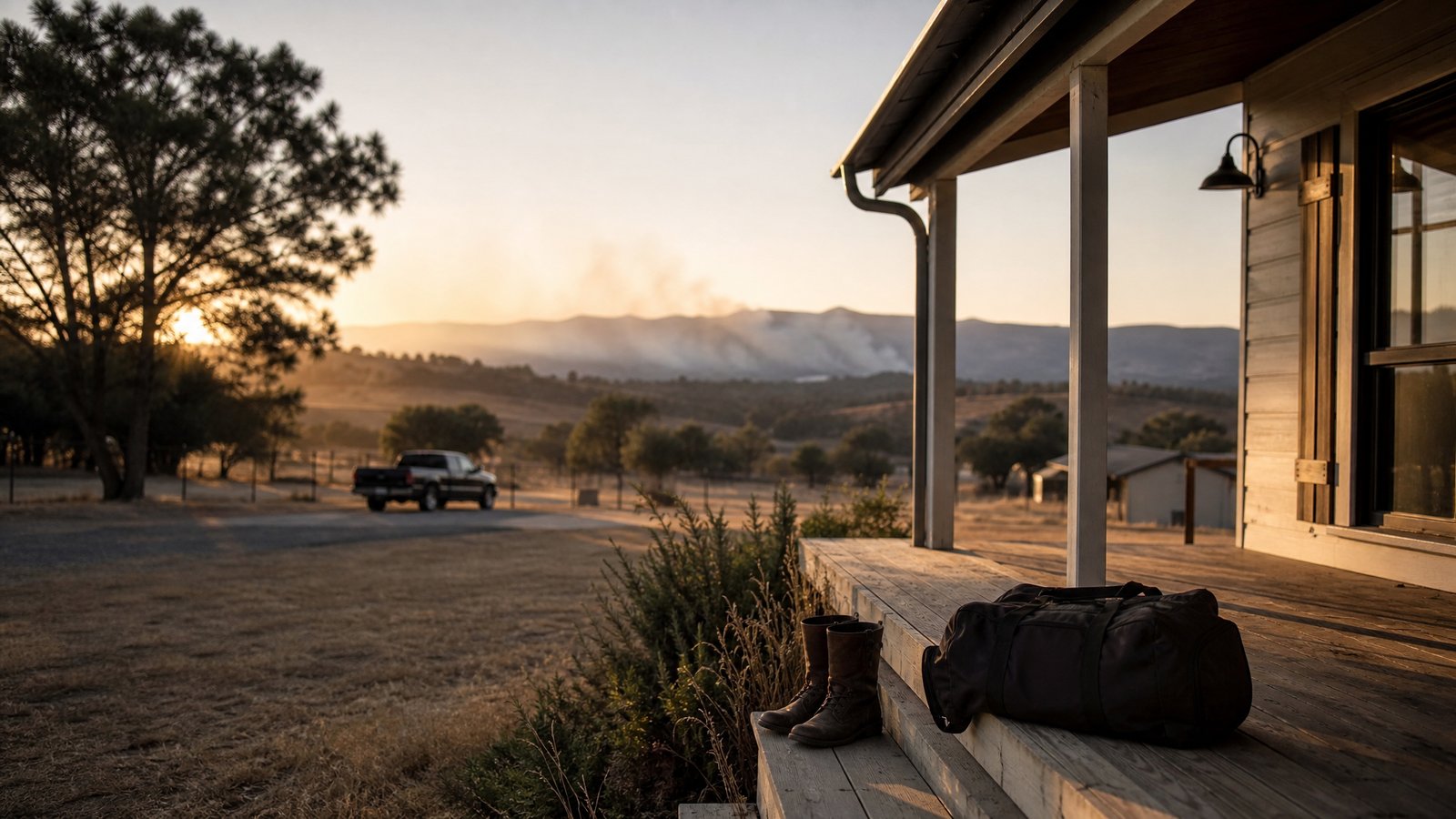
If a wildfire threatens your area, leave before the official order arrives. Fire officials are blunt about this: in a fast-moving fire there is no time for door-to-door warnings, and it is safer to go early than to wait. Before that day ever comes, map two ways off your property, keep every vehicle above half a tank, and pack a go bag per person. In the final window, if time allows: go bags in the vehicle, park facing out, gas and propane shut off, windows and doors closed but unlocked, lights on for firefighters, flammable items moved away from the house, hoses connected to spigots, and a livestock plan already in motion, because moving animals is arranged days ahead, not that morning.
Rural properties carry a version of wildfire risk that suburban checklists never quite cover. Response times run longer, there may be a single road connecting you to the highway, the nearest hydrant might be your own stock tank, and you may be responsible for animals that cannot ride in the back seat. The fire itself doesn't even need to reach you to take the house: according to the U.S. Fire Administration, wind-driven embers account for a significant share of home ignitions in a wildfire, and NIST research has recorded embers carried several miles downwind of the flame front. That changes the math. You are not preparing for a wall of flame rolling up the driveway. You are preparing for a quiet rain of sparks that can arrive well ahead of it, while you're loading the truck. Here is the checklist, in the order the day actually unfolds.
The Plan: Two Ways Out and No Waiting
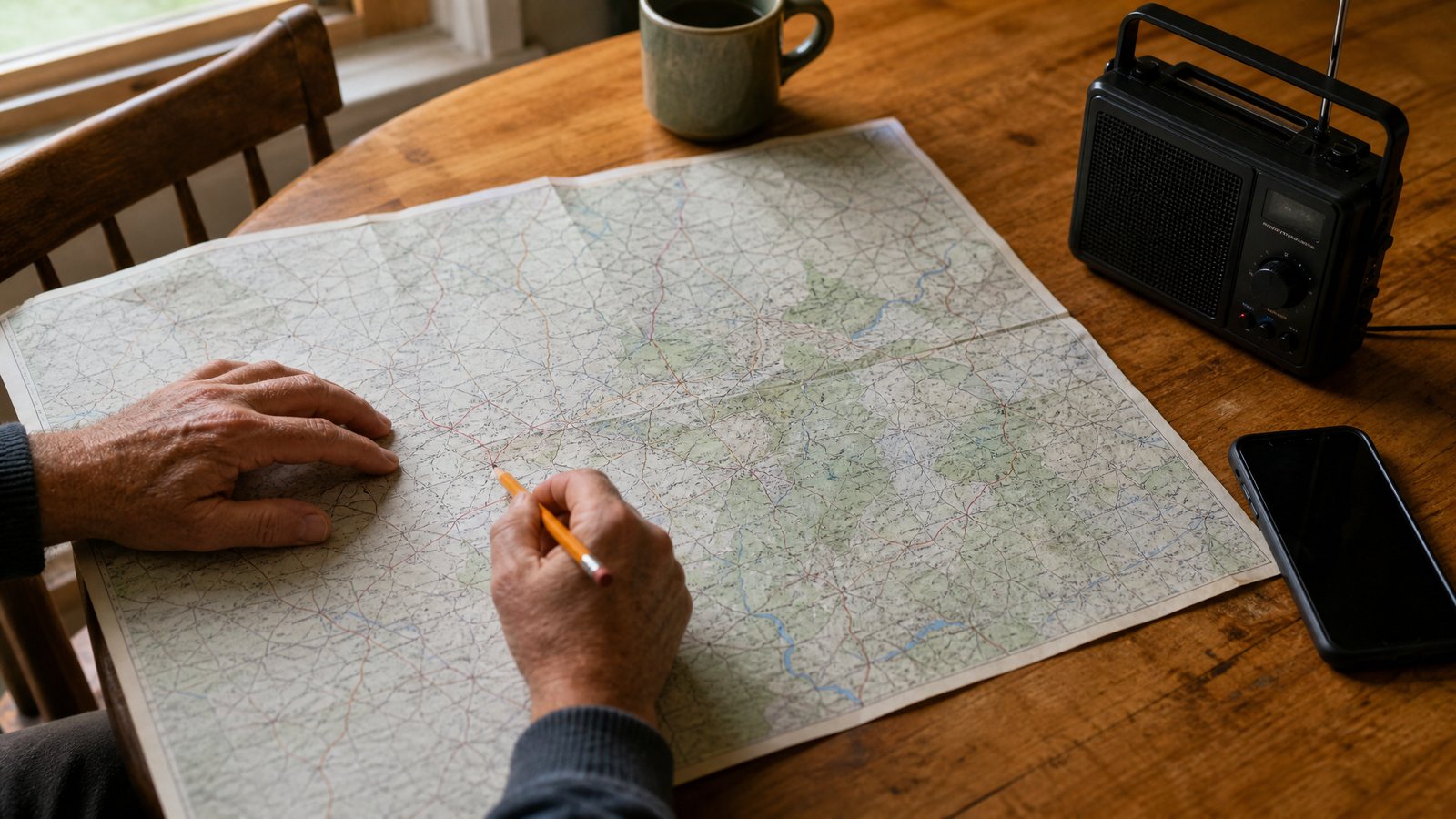
The single most dangerous assumption on a rural property is that someone will come tell you when to leave. CAL FIRE's evacuation guidance says it plainly: in severe wildfires there is no time for door-to-door warnings, and it is safer to leave before a mandatory order is issued. So the plan starts long before smoke shows up. Sign up for your county's emergency alerts and know how your area issues evacuation orders. Map a primary route and a genuine second option, because one narrow road can be cut off by fire or choked by everyone else who lives along it. Agree on a meeting point in case the family is split when it starts. Keep sturdy shoes and a flashlight by the bed, since fires don't check the clock, and keep every vehicle on the property above half a tank, because gas stations lose power in the same event that starts the evacuation. When the moment comes, dress for it: long pants and sleeves in cotton, tough boots, skin covered against heat and sparks.
The House: What the Last Hour Looks Like
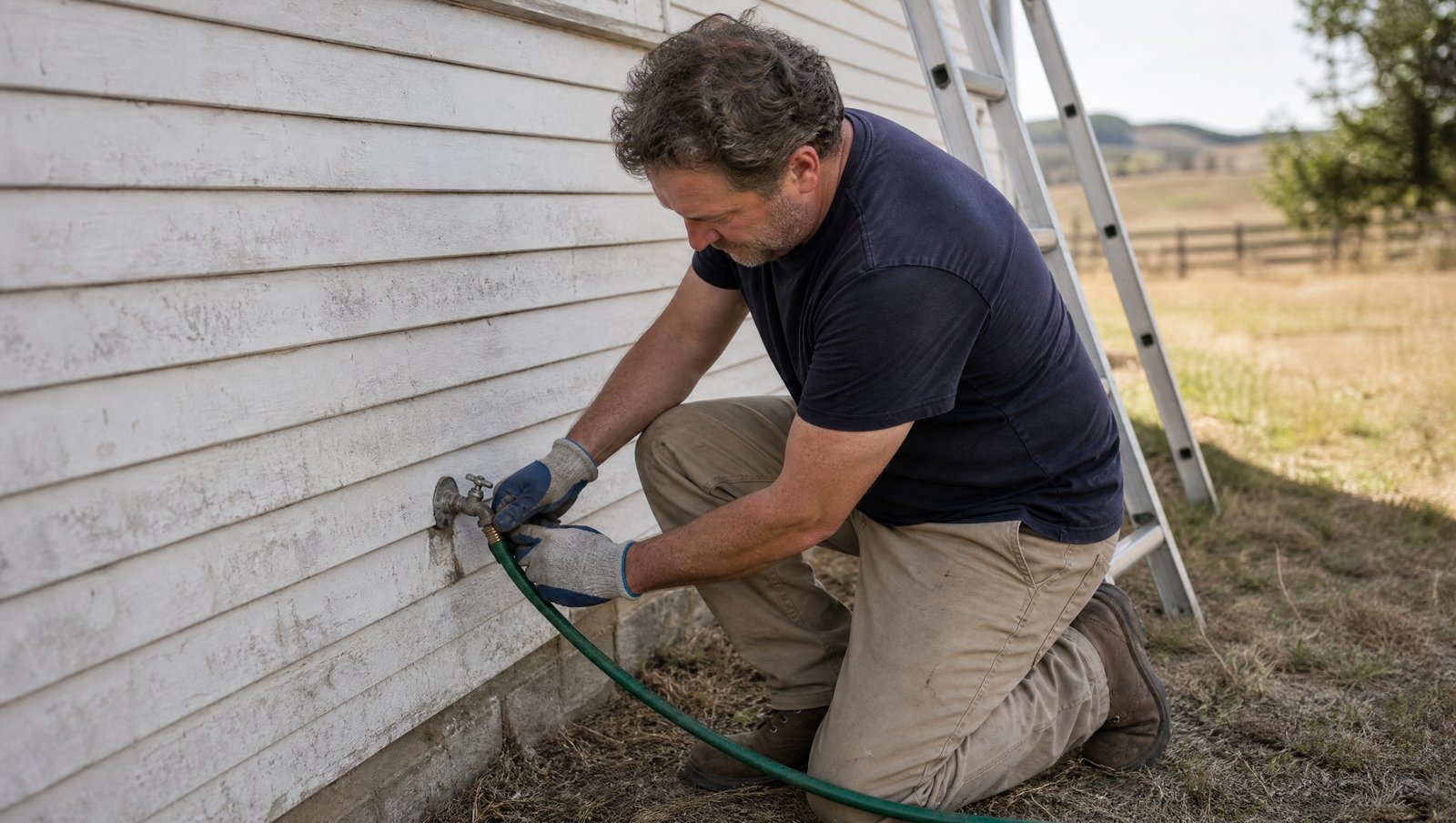
If, and only if, you have time before leaving, a short sequence of moves gives the house its best odds against those incoming embers. Inside: close every window and door but leave them unlocked for firefighters, pull down flammable curtains, move furniture toward the center of rooms, shut off the gas at the meter, and leave interior and exterior lights on so the house stays visible in smoke. Outside: bring in or dunk in the pool anything that burns, like patio furniture, doormats, and trash bins, shut off propane tanks, and drag the grill away from the wall. Connect garden hoses to the spigots and set out filled buckets for the crews who may defend your home after you're gone, and lean a ladder against the house so they can reach the roof. One counterintuitive rule from CAL FIRE: don't leave sprinklers or water running, because it drains the water pressure firefighters need. Then load the vehicle, park it in the driveway facing out with the doors and windows shut, and go. None of this is worth staying for if the fire is close. The house gets the spare minutes, never the necessary ones.
The Animals: The Part That Takes Days, Not Minutes
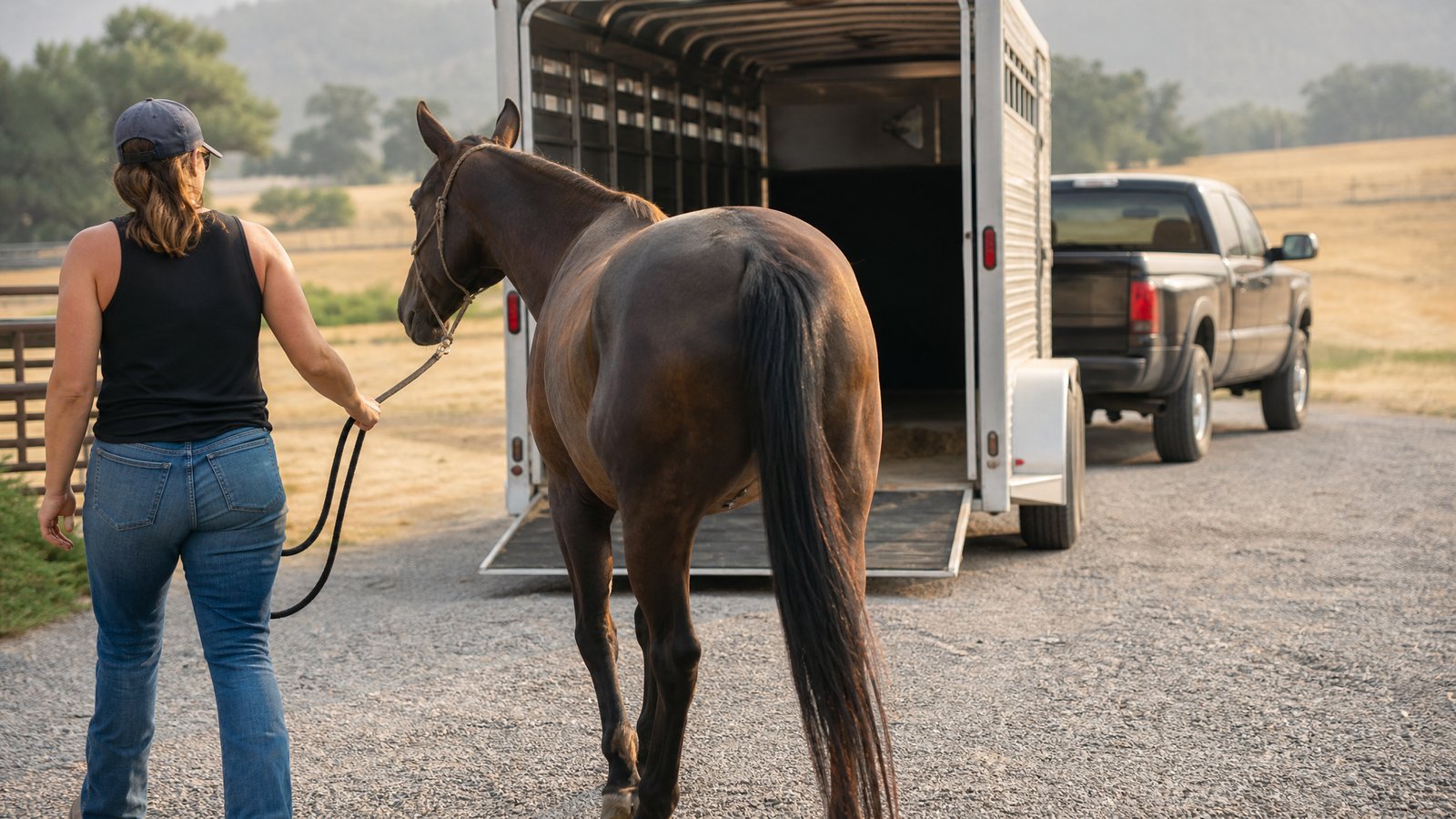
This is where rural evacuation genuinely differs, and where the planning window is longest. CAL FIRE's livestock guidance is built on one hard fact: firefighters focus on the fire, and they may not evacuate your animals. If large animals are leaving, that happens early, on your own trailer or one you arranged in advance with a hauling company or a neighbor. Know where they're going before you need it: fairgrounds, stockyards, or a friend's place outside the risk area, contacted ahead of fire season rather than during the emergency. Keep their paperwork, vet records, and photos with your own documents. If you're forced to leave animals behind, leave them in a cleared area with 48 to 72 hours of hay, and don't count on automatic watering systems, because they fail with the power. Crews may cut fences or open gates to free trapped animals, but that is a last resort, not a plan. Pets are the simpler half: a carrier per animal, collars with ID tags, and their food and medications packed in the same go bag run as yours.
Run the list backwards and a pattern shows up: almost everything on it is either staged in advance or it doesn't happen. The routes are mapped or they aren't. The trailer is arranged or it isn't. The go bag is packed and sitting by the door or you're grabbing armfuls of the wrong things while the window closes. If your worry is the compressed version of this, the moment the order comes with almost no lead time, our friends at 1st Hour wrote a guide on how to get out safely with 30 minutes or less that pairs well with this one. The through-line in both is the same. The people who evacuate well are the ones whose gear and decisions were already made on a calm afternoon, weeks before the smoke.
Get the Rural Wildfire Evacuation Checklist as a Printable PDF
The plan, the last-hour house sequence, vehicles, and animals, all on one sheet you can stick to the mudroom wall.
Download the Checklist (PDF)Never Scramble For Gear Again
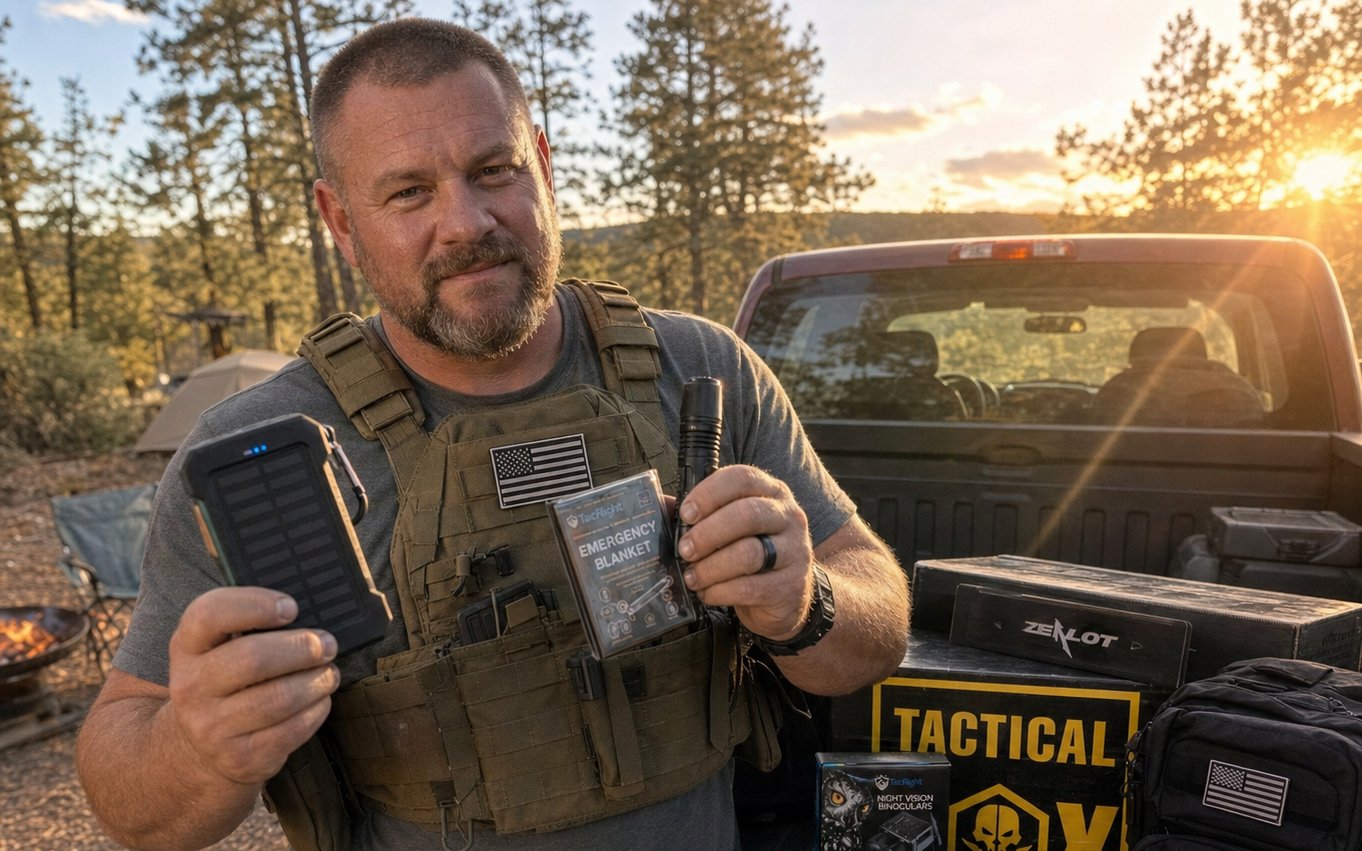
Every month, TacticalBox members get hand-picked tactical, survival, and outdoor gear, sourced ourselves from makers all over the country and curated to be some of the best equipment on the market, worth $150 or more per box. Subscribe once and the right gear keeps showing up before you need it, backed by a money-back guarantee.
Get Your TacticalBoxThis content is for informational purposes only. In any wildfire, follow the instructions of local fire officials and law enforcement first. Property-protection steps described here apply only when officials say you have time to act, and no checklist is worth delaying your evacuation. Alert systems, evacuation terminology, and animal shelter options vary by county, so confirm the specifics for your area with your local fire authority.