
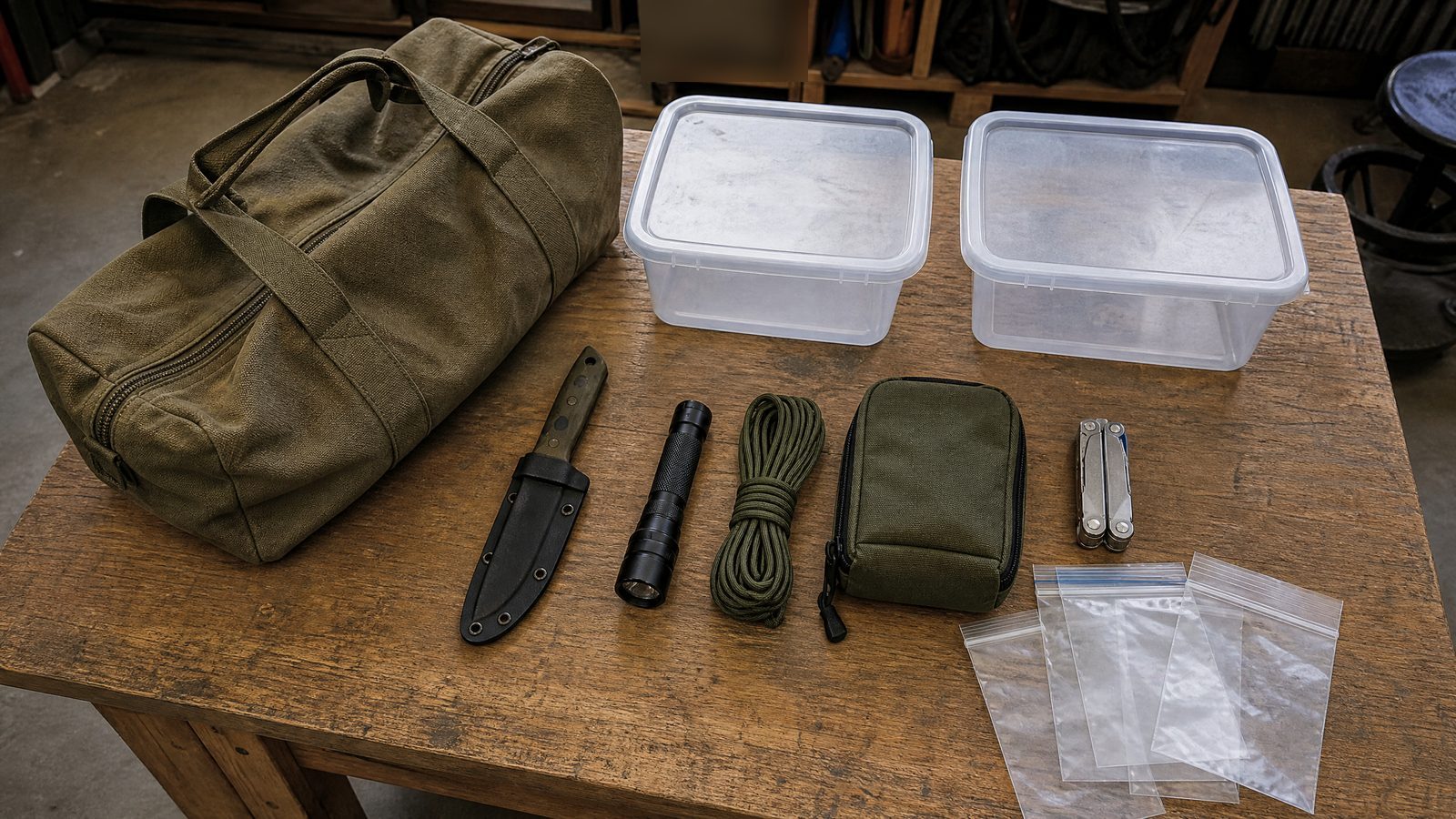
Getting the Most From Your TacticalBox Gear: Storing, Rotating and Building a Kit
Open each box the day it lands and decide what stays before you use anything, because the refund policy only accepts returns that are "unworn or unused, with tags, and in its original packaging." Then give every piece you keep a job in a specific kit: home, car, work or everyday carry. Store it the way Ready.gov describes, in airtight bags inside "one or two easy-to-carry containers such as plastic bins or a duffel bag," in a place your whole household knows. Check it on a schedule, replace what expires, and practice with what you keep. A pile of gear in a closet is not a kit. A kit is gear with a place, a purpose and a check date.
A TacticalBox is a surprise until you open it. That is the fun part. The less fun part is what happens three months in, when there is a shelf of good gear and no clear idea which bag any of it belongs in. This guide is about turning a run of monthly boxes into kits you can grab and use.
Here is what we drew on. For TacticalBox's own terms we re-read the subscribe page, the refund policy and the cancel membership page on the day we wrote this. For how to build, store and maintain a kit, we used the Ready.gov Build a Kit page, the Ready.gov car kit page (last updated April 15, 2024) and the American Red Cross survival kit list. Where we add our own thinking, we label it as our judgment.
Step One: Decide Before You Use It
The first hour with a new box matters more than people think, because it is when you still have the most options.
| 01 | Open it the day it arrivesUnpack everything and look it over. Set the packaging and any tags aside instead of throwing them out. |
| 02 | Know the return conditionsThe refund policy says you have "30 days after receiving your item to request a return," and the item must be "in the same condition that you received it, unworn or unused, with tags, and in its original packaging." Using a piece takes it outside that policy. |
| 03 | Know the separate guaranteeThe cancel membership page says "We offer 100% money back guarantee policy on our monthly gear memberships" and that you can return gear "for a full-refund if you are not totally satisfied for any reason." That page lists no conditions. These read as two different paths, and the pages do not say how they fit together. |
| 04 | Ask first, then sendThe refund policy says to start a return by emailing support@tacticalbox.com, and that "Items sent back to us without first requesting a return will not be accepted." |
Our judgment: if something is not for you, say so before you test it, and tell support which of the two paths you are asking about. If it is a keeper, cut the tags and put it to work. Our shipping, billing and returns FAQ walks through both paths in more detail, and our post on receiving your first TacticalBox covers the rest of that first hour.
Sort Every Piece Into a Kit
The Ready.gov Build a Kit page says "Since you do not know where you will be when an emergency occurs, prepare supplies for home, work and cars." That gives you three places to put new gear, and most people add a fourth: what they carry every day.
| 01 | The home kitReady.gov says to keep the home kit "in a designated place" and ready in case you have to leave quickly, and to make sure everyone in the household knows where it is. The American Red Cross survival kit list lists basics that include a flashlight, a battery-powered or hand-crank radio, extra batteries, a first aid kit and a "Multi-purpose tool." |
| 02 | The car kitThe Ready.gov car kit page says "In case you are stranded, keep an emergency supply kit in your car," and lists extras including jumper cables, flares or a reflective triangle, an ice scraper, a car phone charger, a blanket, a map, and cat litter or sand for traction. |
| 03 | The work kitThe Ready.gov kit page says to be ready to shelter at work for at least 24 hours, with food, water, medicines and comfortable walking shoes stored in a "grab and go" case. |
| 04 | Everyday carryThis one is our addition, not a source's: the small set of tools that lives on you or in your bag every day. A good blade, a light and a way to start a fire earn their place here first. |
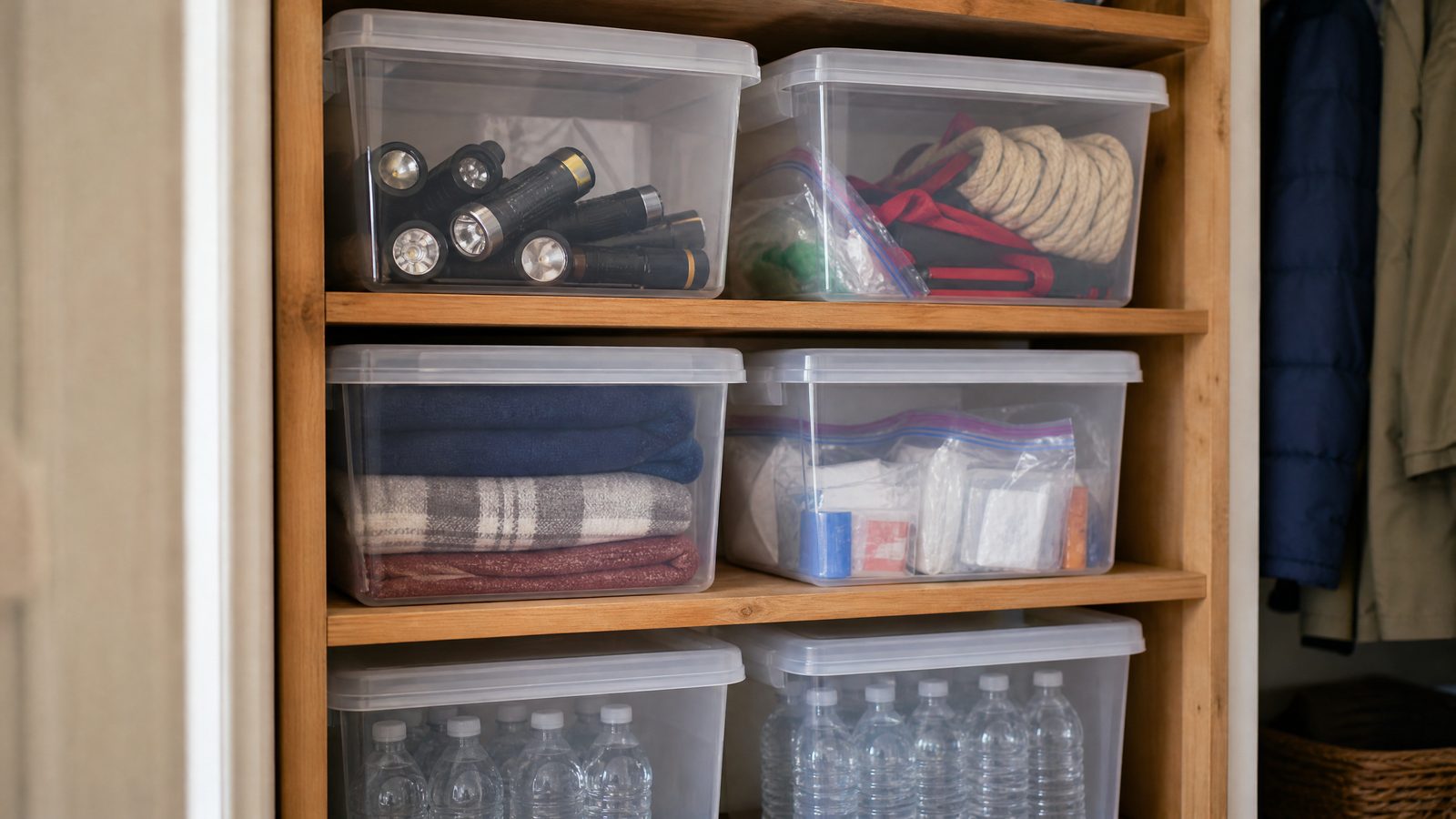
Our judgment: when a new piece arrives, ask one question: which kit has the biggest gap? Put it there. Write the kit name on a piece of tape on the item or its pouch so it goes back to the right bag after you use it. Our guides to a winter car emergency kit, a get-home bag for the commute and everyday carry lay out what a full version of each looks like, so you can see which gaps are left.
Store It So It Works When You Need It
Good gear stored badly is the same as no gear. The guidance here is short, and most of it is about keeping things dry, together and easy to find.
| 01 | Bag it, then box itThe Ready.gov Build a Kit page says "To assemble your kit store items in airtight plastic bags" and to put the whole kit in "one or two easy-to-carry containers such as plastic bins or a duffel bag." |
| 02 | Pick one designated placeReady.gov gives the "designated place" advice for the home kit. We apply it to every kit: if you have to hunt for it, it is not ready. |
| 03 | Keep food cool and dryFor any food you add, the Ready.gov kit page says to "Keep canned food in a cool, dry place" and to "Store boxed food in tightly closed plastic or metal containers." |
| 04 | Make it carryableThe Red Cross says to keep supplies "in an easy-to-carry emergency preparedness kit that you can use at home or take with you in case you must evacuate." |
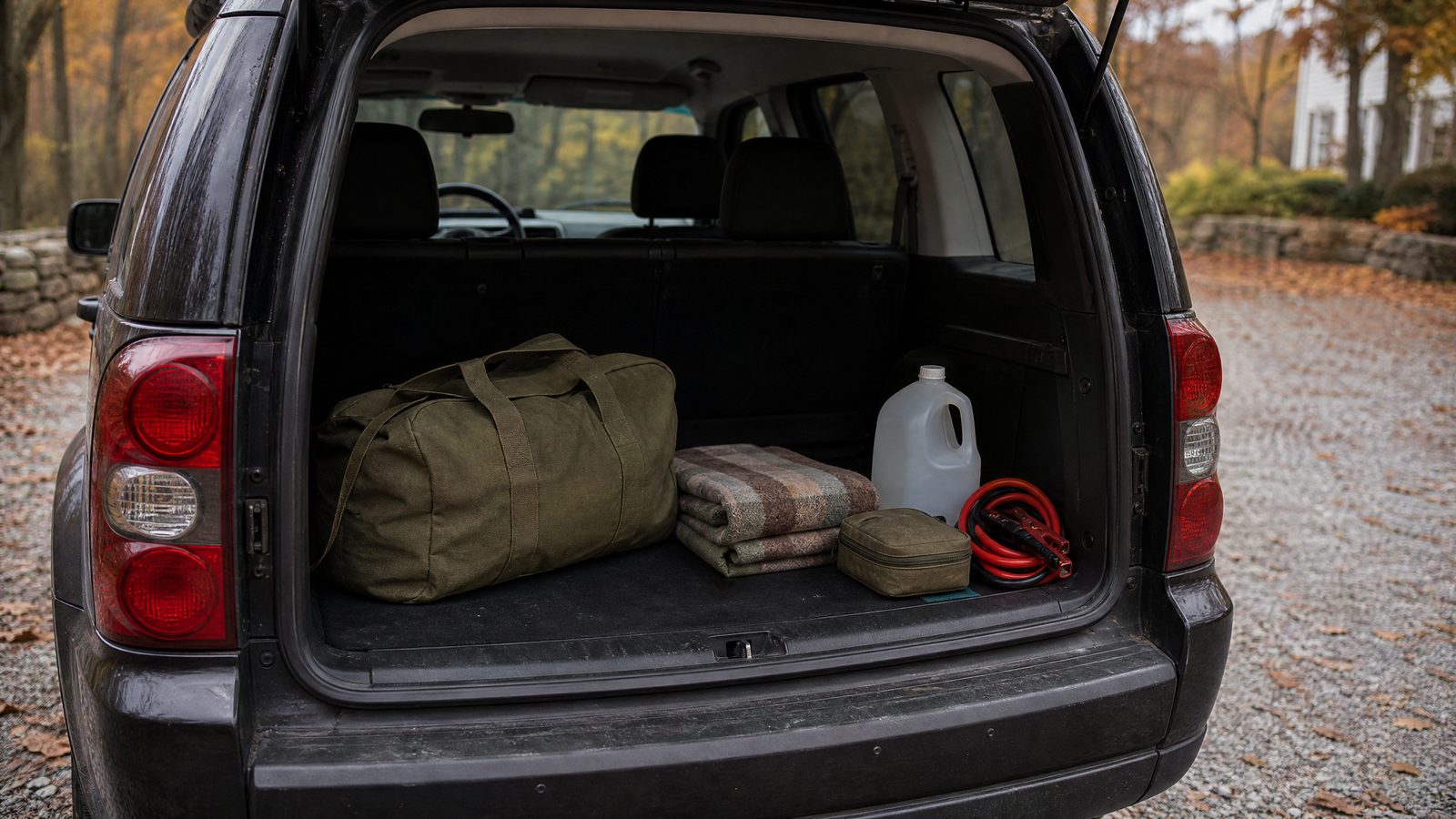
Our judgment: a few habits that are ours, not Ready.gov's. Take batteries out of lights and radios that sit in a long-term kit and store them alongside, so a leaking cell does not ruin the device. Wipe blades and tools dry before they go into a bag, and give carbon steel a light coat of oil. Keep the heaviest bag where you can lift it out in one move. And keep a written list taped inside the lid of each bin, so you know what is in it without unpacking it.
Rotate on a Schedule
The Ready.gov Build a Kit page puts maintenance plainly: "After assembling your kit remember to maintain it so it's ready when needed."
| 01 | Replace what expiresReady.gov says "Replace expired items as needed." Food, water, medications, batteries and some first aid supplies all have a shelf life. |
| 02 | Re-think the kit once a yearReady.gov also says to "Re-think your needs every year and update your kit as your family's needs change." A new baby, a new car, a new commute or a move all change what each kit should hold. |
| 03 | Move the old down the lineThis one is our suggestion: when a better piece arrives, the one it replaces does not have to go in a drawer. Move it to the car kit, the work bag, a spare kit for a family member, or a friend who has nothing. |
| 04 | Pace the boxes to the kitThe subscribe page says "You can cancel, pause, or skip your TacticalBox subscription anytime from your account." If your kits are full and you need a month to catch up on sorting, that is what skip is for. |
Our judgment: put a check on the calendar twice a year, when the clocks change. Open every kit, swap batteries, check dates, test lights and radios, and look for anything that has migrated out of its bag. Our post on how cancel, pause and skip work covers the account side of pacing your boxes.
Practice With What You Keep
Once a piece is a keeper, the value comes from knowing how to use it before the day you need it. Gear you have never handled is slow and clumsy under stress.
| 01 | Learn the edgeSharpen and maintain any blade you keep, so the first time it matters is not the first time you have touched a stone. |
| 02 | Learn the cordagePractice a handful of knots with any paracord or rope until you can tie them without looking. |
| 03 | Learn the fire kitLight a fire with your kit on a dry day, in a safe spot where fires are allowed, before you ever try it in the rain. |
| 04 | Run the kitOnce a year, grab the home kit and live out of it for an evening. You will find out fast what is missing and what you never use. |
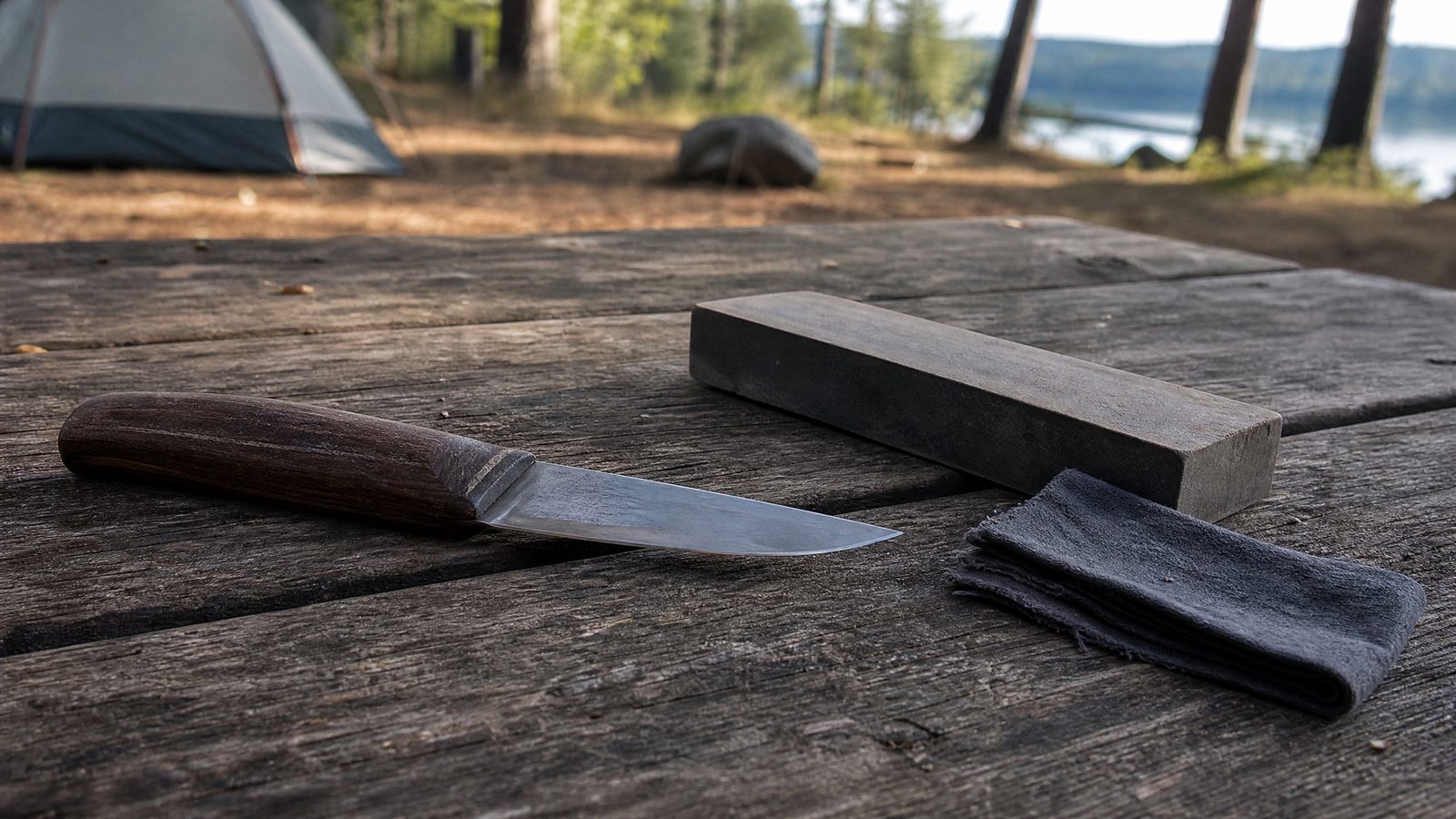
Our judgment: practice is where a monthly box turns into skill. Our guides to knife sharpening and field maintenance, five knots worth knowing and starting a fire in wet conditions are good places to start. And because every kit on the Red Cross list includes first aid, our sister site 1st Hour has a home first aid kit checklist worth working through alongside this one.
Get The Kit Inventory And Rotation Log As A PDF
One page: a table to log each piece and the kit it lives in, a twice-a-year check list, and space to note what expires and when.
Download the Rotation Log (PDF)Keep Building Your Kits
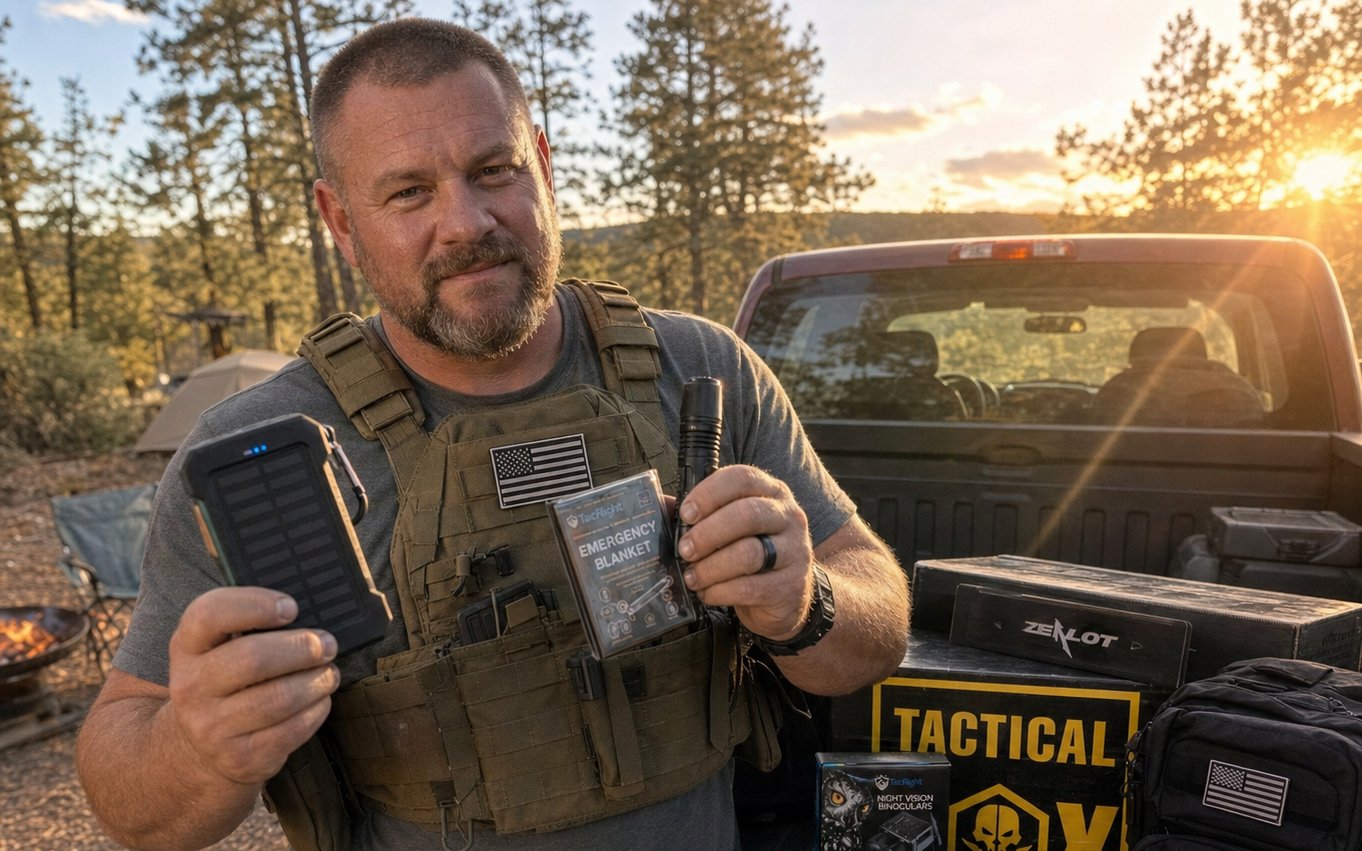
Every month, TacticalBox members get hand-picked tactical, survival, and outdoor gear, sourced ourselves from makers all over the country and curated to be some of the best equipment on the market, worth $150 or more per box on the Standard plan. It's an easy way to keep building out a real preparedness kit without hunting down every piece yourself. Backed by a money-back guarantee. Cancel, pause, or skip anytime.
Join TacticalBoxThis content is for informational purposes only. It quotes TacticalBox's subscribe page, refund policy and cancel membership page as read on the date of writing; those pages can change, so treat the live pages as the final word and contact support@tacticalbox.com with questions. Follow each item's own instructions and local laws on carrying blades and starting fires.