EDC 101: Everyday Carry Essentials for Beginners
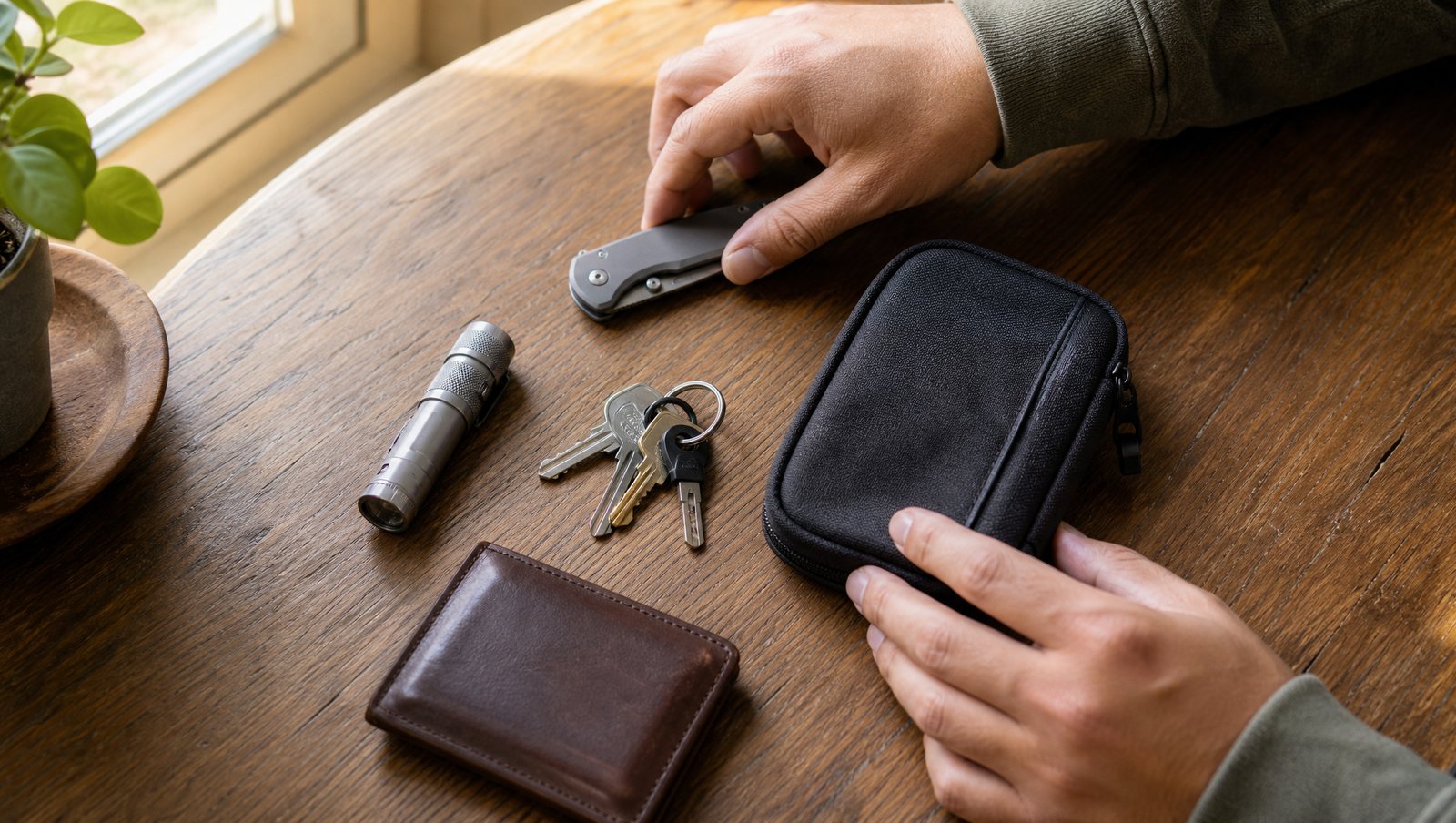
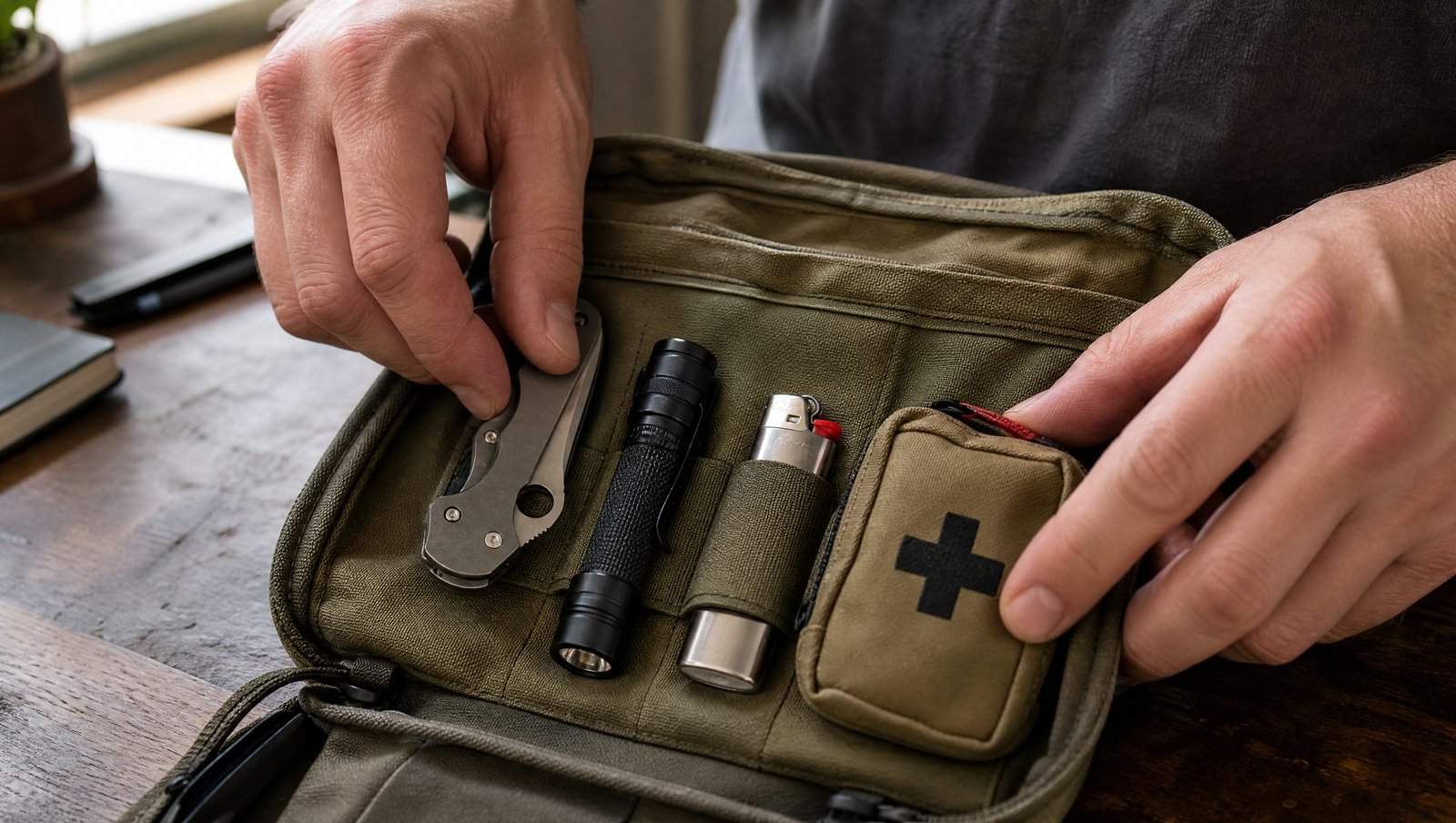
A solid beginner EDC kit covers five jobs: cutting, light, fire or utility, basic first aid, and staying connected. Start with a folding knife or multi-tool, a compact flashlight, a lighter, a mini trauma kit or a few adhesive bandages, and a charged phone or power bank. Add a sturdy wallet and a key organizer to round it out, then adjust based on what you actually reach for.
Most conversations about being prepared start with the house: water storage, a bin in the garage, a plan for the family. FEMA's 2023 National Household Survey on Disaster Preparedness found that only 48% of adults had assembled or updated emergency supplies that year, even though 51% believed they were already prepared for a disaster. That's a gap between feeling ready and actually being ready, and it shows up just as often on a person as it does in a house. Everyday carry, or EDC, is the small, deliberate set of tools that live in your pockets, on your belt, or in your bag every single day, so the moment you didn't plan for doesn't catch you standing there empty-handed.
The Core Five: What Every EDC Kit Needs
A good beginner kit doesn't need to be bulky or expensive, it just needs to cover five jobs. A cutting tool, usually a folding pocket knife or a small multi-tool, handles opened packages, tangled cord, or a stuck seatbelt. A compact flashlight matters more than people expect; it's not just for camping, it's for a power outage, a dropped set of keys under the car, or a dark parking lot. Some way to start a fire or make a quick fix, like a lighter or a small multi-tool with pliers, covers the in-between problems that don't announce themselves ahead of time. A few adhesive bandages or a mini trauma pouch handle the small cuts and scrapes that happen more often than any real emergency. And a charged phone or a small power bank keeps you able to call for help, look something up, or just stay in touch when it counts.
Know Before You Carry: The Rules Aren't the Same Everywhere
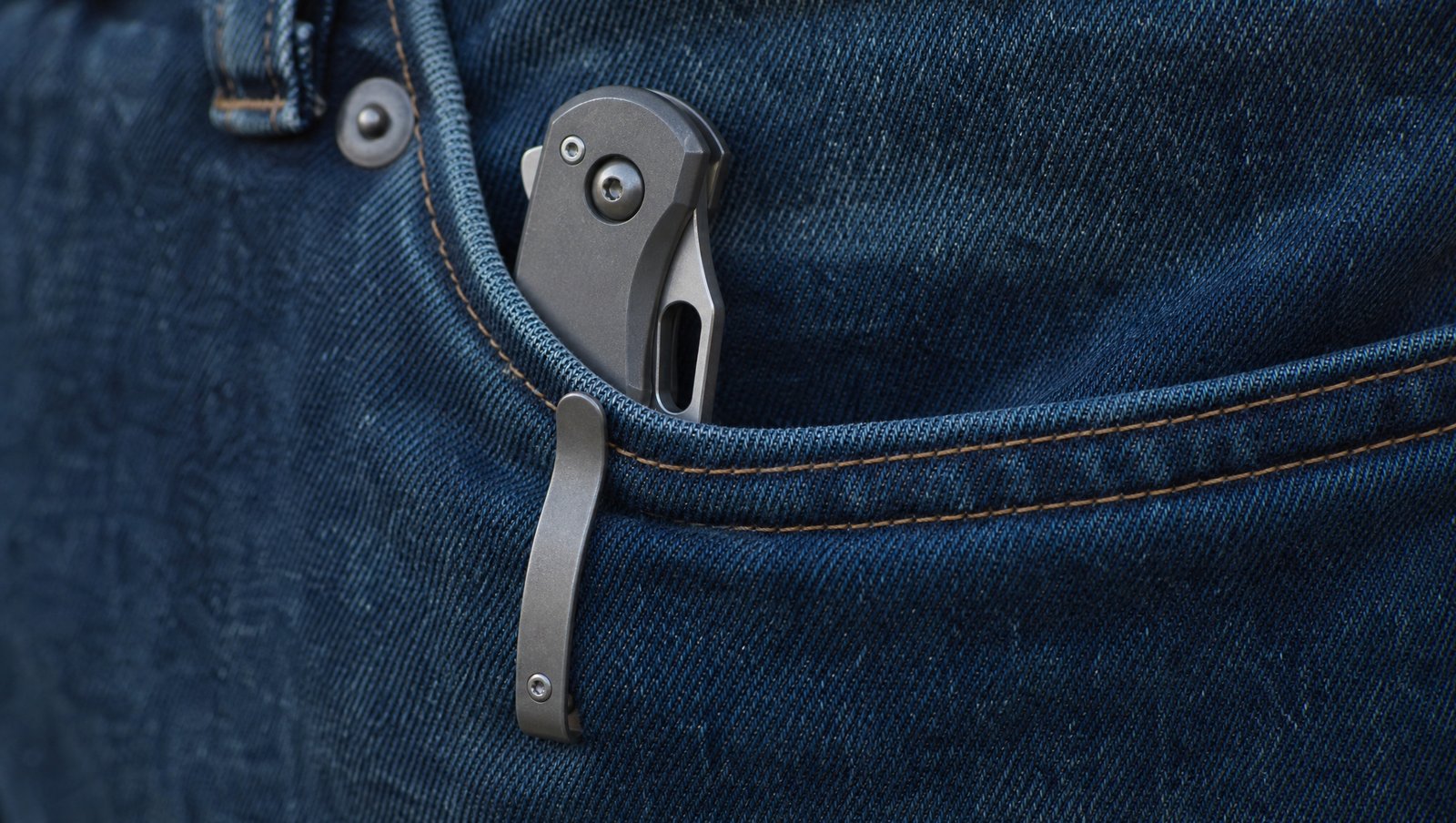
Before you clip a knife to a pocket and forget about it, it's worth knowing that carry laws vary a lot by state, and sometimes by city. The American Knife & Tool Institute's state knife law guide covers blade-length limits, opening-mechanism restrictions, and places where carrying any knife is off-limits regardless of size, like schools, courthouses, and airports. What's a simple misdemeanor in one state can be treated far more seriously in another, so it's worth a five-minute check on your own state's rules before you build the rest of your kit around a specific knife. When in doubt, a smaller, plain folding blade with no unusual opening mechanism tends to cause the fewest questions.
Building the Kit Without Overspending
You don't need every item on day one. Start with four or five things that already cover the core jobs, a basic folding knife, a small flashlight, a lighter, and a couple of bandages can be assembled for well under $50, and you can upgrade individual pieces later once you know what you actually reach for. Pay attention to your own routine for a week or two; a commuter's kit looks different from a parent's kit, and a parent's kit looks different from someone who spends weekends outdoors. If the medical piece is where you want the most coverage, a pocket kit only covers so much. 1st Hour's home first aid kit checklist is a good next step for building out the fuller version once the pocket basics are covered.
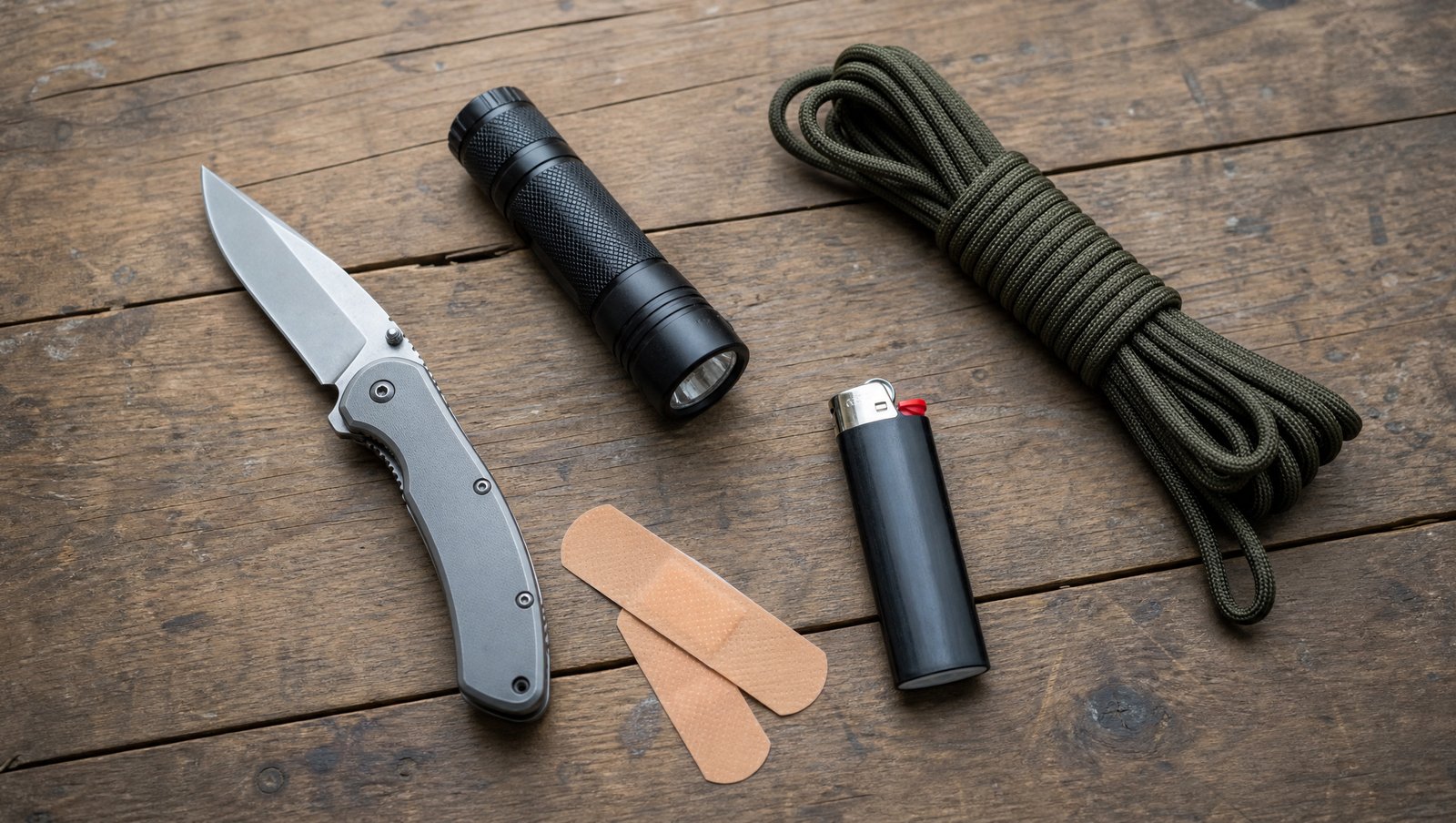
None of this needs to turn into a hobby that takes over your pockets. Cover the five jobs, know your local rules, and adjust as your routine tells you what's worth carrying. That's the same mix of hand-picked, no-nonsense gear that shows up in a TacticalBox every month, so a good chunk of a beginner's kit is already sitting in the box before you'd have gotten around to buying it piece by piece.
Get the EDC Starter Checklist as a Printable PDF
The five core categories plus a few extras, condensed to one page — check off what's already in your pockets and what still needs a spot.
Download the Checklist (PDF)Never Scramble For Gear Again
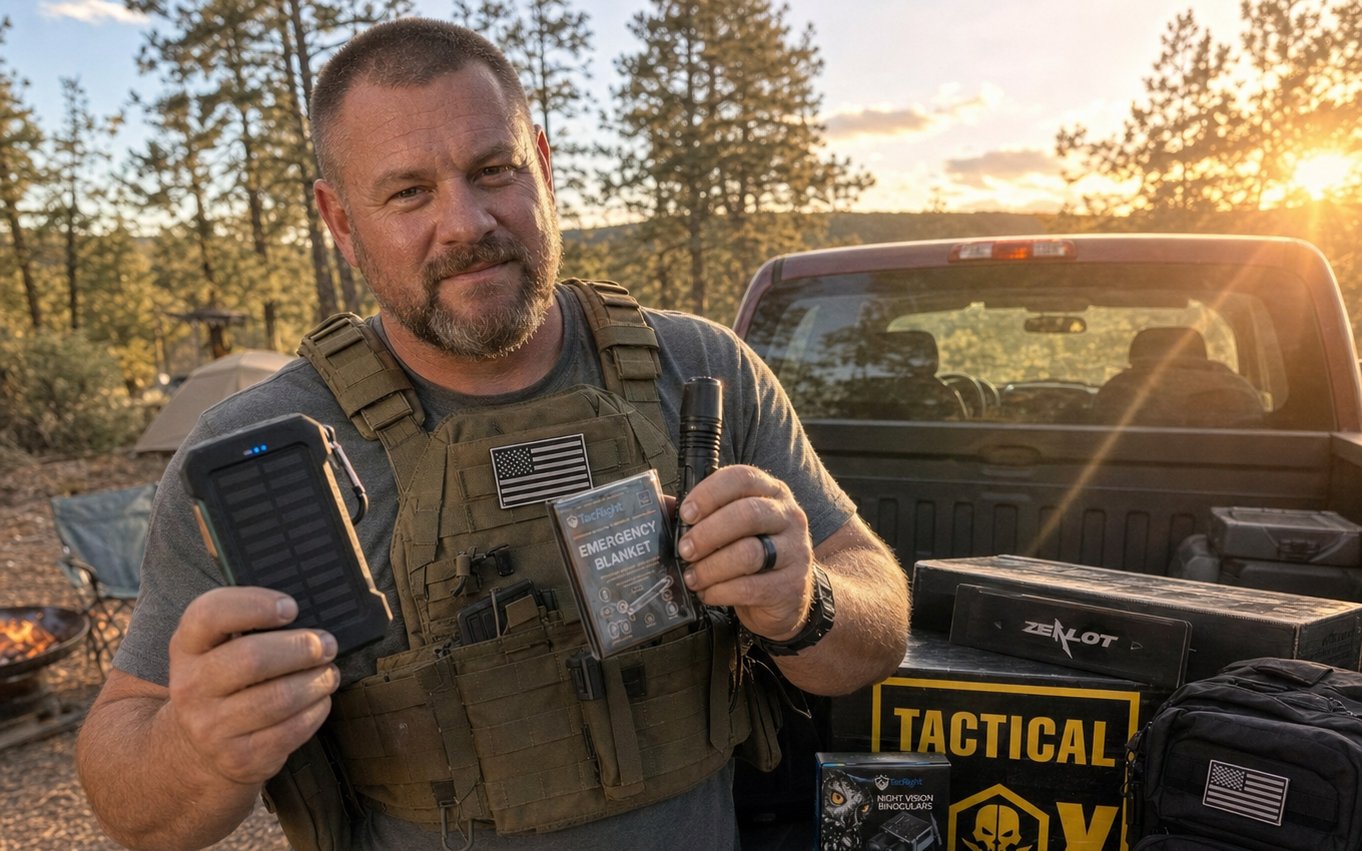
Every month, TacticalBox members get hand-picked tactical, survival, and outdoor gear, sourced ourselves from makers all over the country and curated to be some of the best equipment on the market, worth $150 or more per box. Subscribe once and the right gear keeps showing up before you need it, backed by a money-back guarantee.
Get Your TacticalBoxThis content is for informational purposes only and is not legal advice. Knife and tool carry laws vary by state and locality — check your local regulations before carrying any cutting tool.