What To Keep In A Get-Home Bag For The Commute
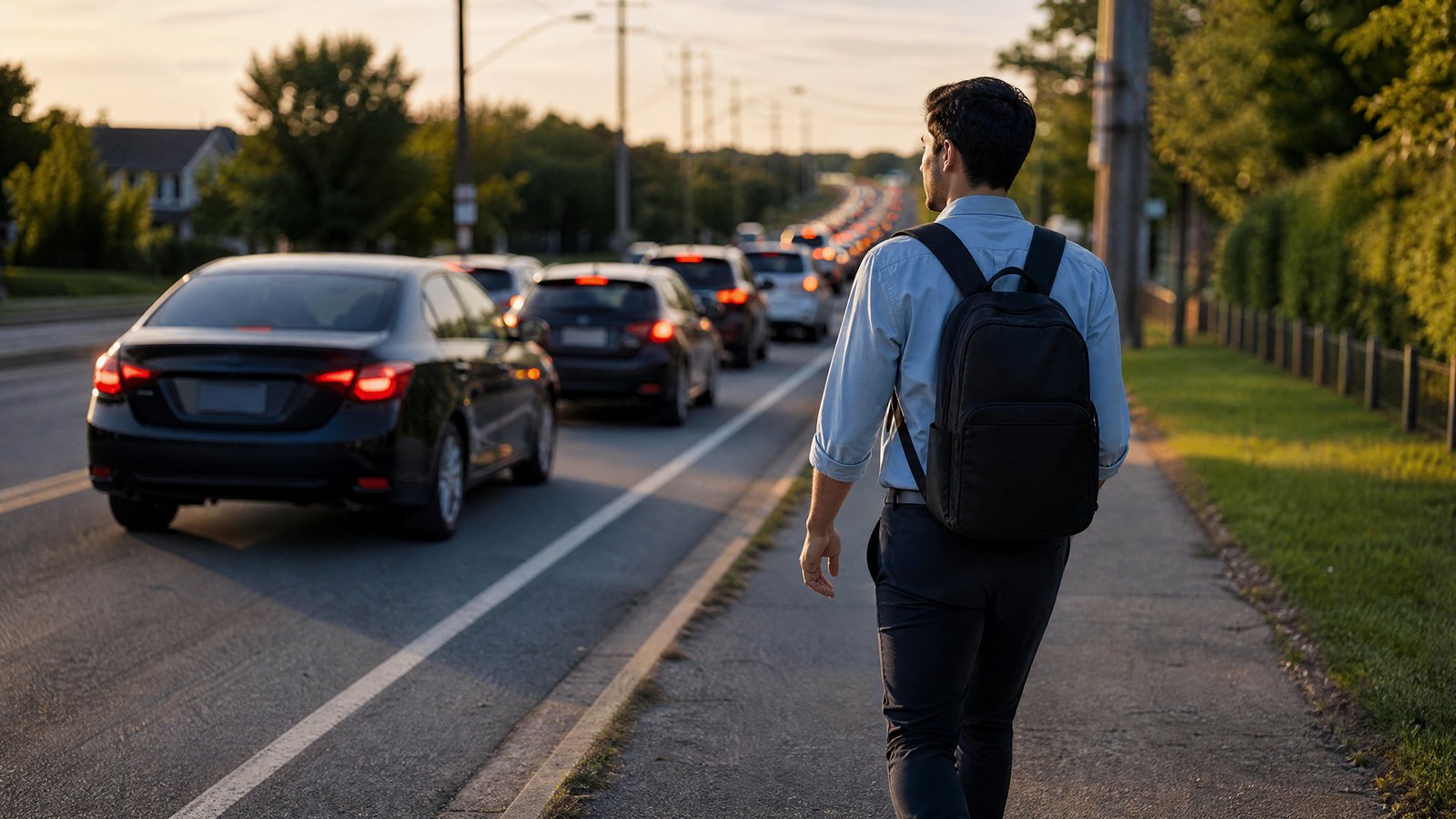
A get-home bag isn't a scaled-down bug-out bag. It's built for one job: getting you from your desk to your front door on foot if your car, train, or bus stops being an option. Broken-in shoes, water, calorie-dense food, a charged battery pack, a paper map, and a way to tell someone your route cover most of what actually matters. Keep it small enough to grab without thinking, in a bag under your desk or in the trunk, not buried in a closet at home you won't be in when you need it.
A bug-out bag assumes you're already home when something goes wrong. A get-home bag assumes the opposite: you're at the office, the job site, or wherever the day put you, and getting back to your own house is now the actual problem in front of you. Different starting point, different bag.
Most people spend more of a weekday away from home than they'd guess. If the way you normally get there stops working, whatever's sitting in your desk drawer or your trunk is what gets you moving, not whatever's packed at home.
The Commute Is A Bigger Window Than It Feels Like
The average one-way commute in the United States runs about 27 minutes, and roughly 1 in 10 workers travel 60 minutes or more each way, according to the U.S. Census Bureau's American Community Survey. Multiply that by two directions and five workdays, and most people spend a real chunk of their week somewhere other than home, moving through routes and neighborhoods they don't fully control.
That's the window a get-home bag covers. Ready.gov's own guidance is blunt about it: since you don't know where you'll be when something happens, plan for supplies at home, at work, and in the car, and be ready to shelter at work for at least 24 hours if that's what the situation calls for. A get-home bag is the piece that covers the gap between those two, the walking distance nobody plans around until they're standing in it.
None of this requires assuming the worst. A stalled transit line, a pileup that shuts down the highway for hours, a grid event that kills every traffic light across a city, these are the ordinary version of "the normal way home isn't working," and they happen far more often than anything dramatic.
What Actually Earns A Spot In The Bag
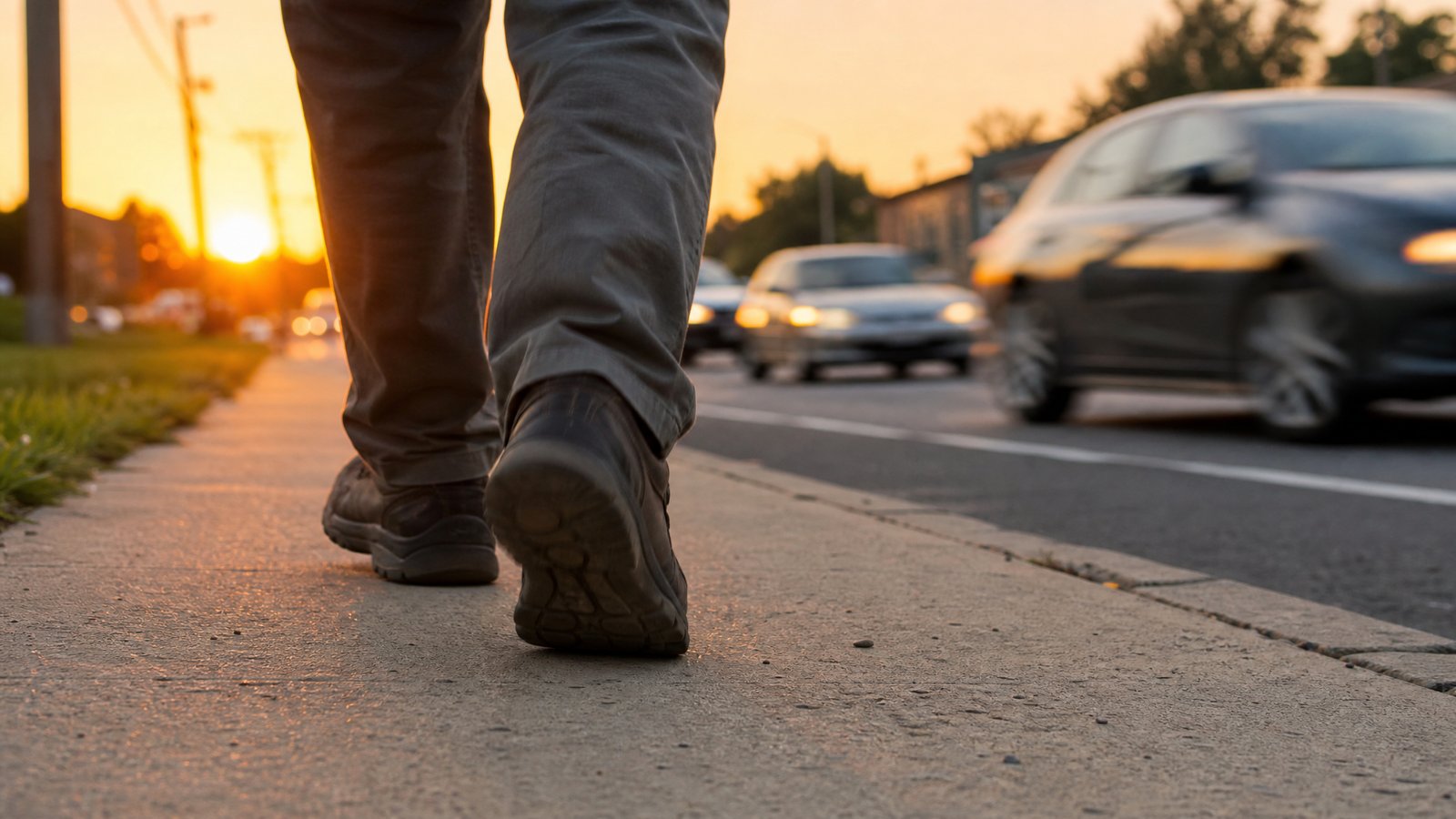
The instinct is to pack for every scenario, and that's exactly what turns a get-home bag into dead weight left in the trunk because it's too heavy to bother with. Build it around one job: get you walking, comfortably, for however many miles stand between the office and your front door.
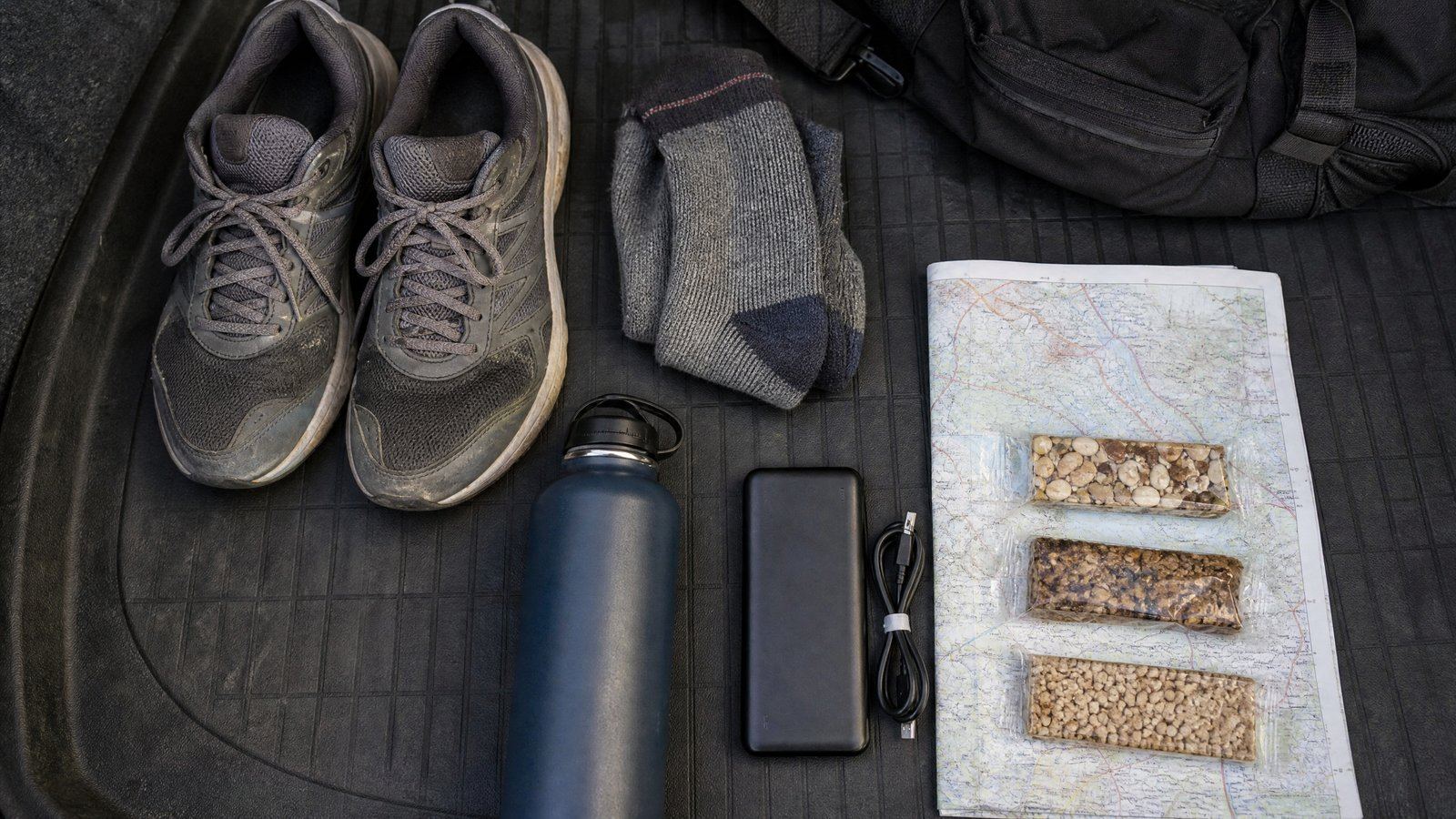
| 01 | Broken-in shoes and a spare pair of socksThe shoes under your desk right now probably aren't what you'd choose for a multi-mile walk. Keep a pair that's already broken in, plus dry socks. Blisters end a walk home faster than almost anything else. |
| 02 | Water, and a way to treat moreA liter or two covers a few hours on foot. A small filter or purification tablets cover the walk turning into something longer than you planned. |
| 03 | Calorie-dense food that needs no prepBars, nuts, dried fruit. Nothing that needs water, heat, or a utensil to eat on the move. |
| 04 | A charged battery pack and cableCell networks get overloaded fast during a widespread disruption. A dead phone means no map, no calls, and no way to check in on the plan. |
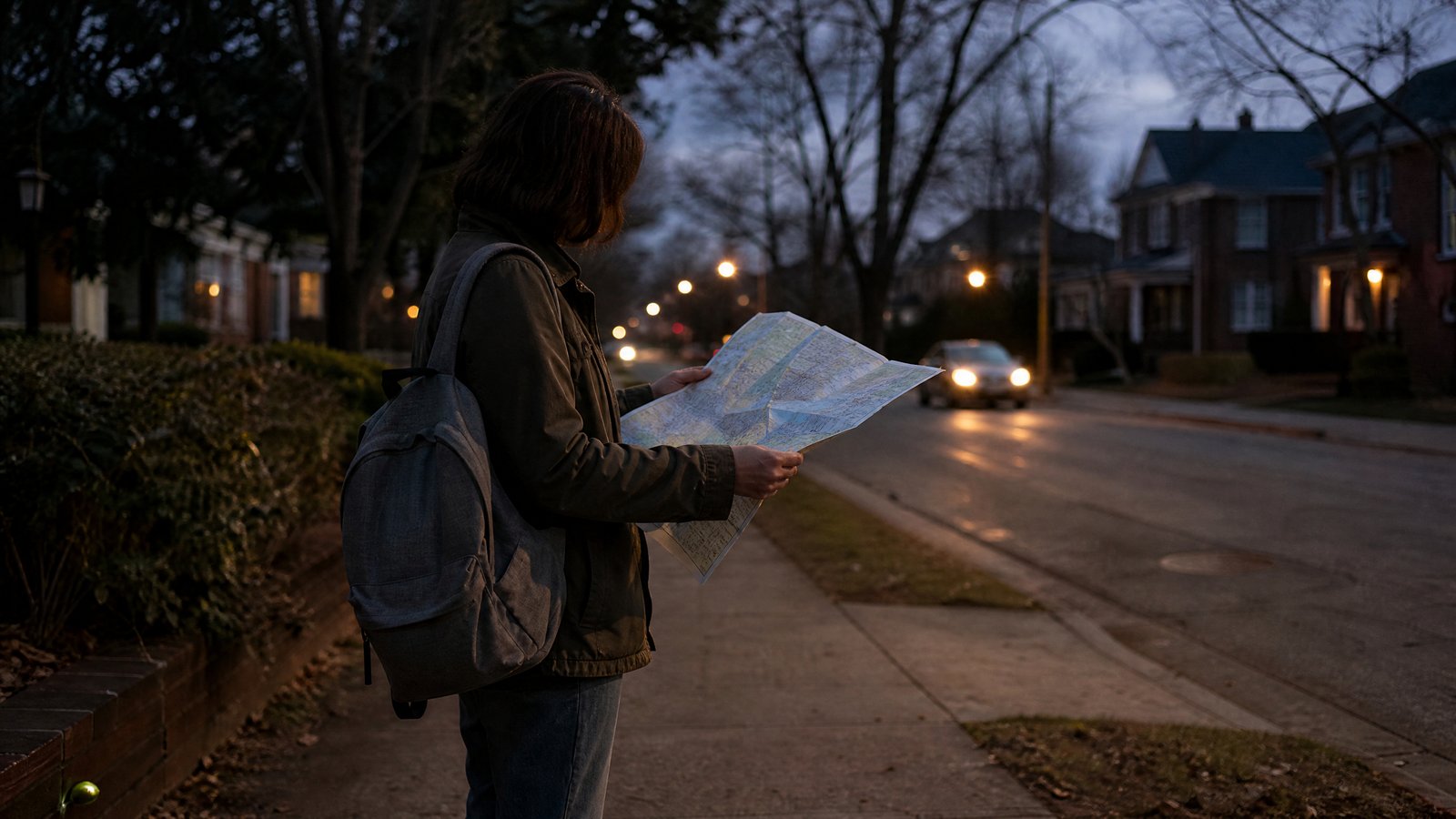
| 05 | A paper map or written directions homeNot reliant on a signal or a battery. Work out two or three routes before you ever need one, not while you're standing on the sidewalk figuring it out for the first time. |
Keep It Light Enough To Actually Use
A small daypack that fits under a desk beats a full-size pack that never leaves the closet. Add a compact first aid kit built around blister care and any medication you take daily, a thin rain layer, a small flashlight, a whistle, and a bit of cash for a moment when cards or apps aren't working. That's a bag most people can carry for hours without it becoming its own problem.
Don't Forget The Car KitA get-home bag covers you on foot, but not every disruption starts that way. Keep a second, more complete kit in the vehicle itself for the times you're stuck in the car rather than walking away from it. 1st Hour's guide to car emergency kit essentials covers what belongs in that one.
The Plan Matters As Much As The Gear
Before you start walking, tell someone your intended route and a rough timeline, even if it's just a text. If cell service is spotty, send it before you leave the building while you likely still have a connection. Stick to routes you actually know rather than a shortcut you've never walked, since an unfamiliar path at night is its own risk on top of the one you're already managing.
Know When Not To WalkSevere weather changes the calculus. The CDC's guidance on flood safety is direct: don't drive or walk across flooded roads, since moving water can sweep away both cars and people. If conditions are actively dangerous, staying put and sheltering where you are is the safer call than pushing toward home.
None of this replaces good judgment in the moment. It just means the decision doesn't start from zero, with a bag that's already packed, a route you've already thought through, and someone who already knows where you're headed.
Get The Get-Home Bag Packing Checklist As A PDF
Everything from above, condensed to one printable checklist for the desk drawer, the trunk, or the bag itself.
Download the Checklist (PDF)Build The Bag You'll Actually Grab
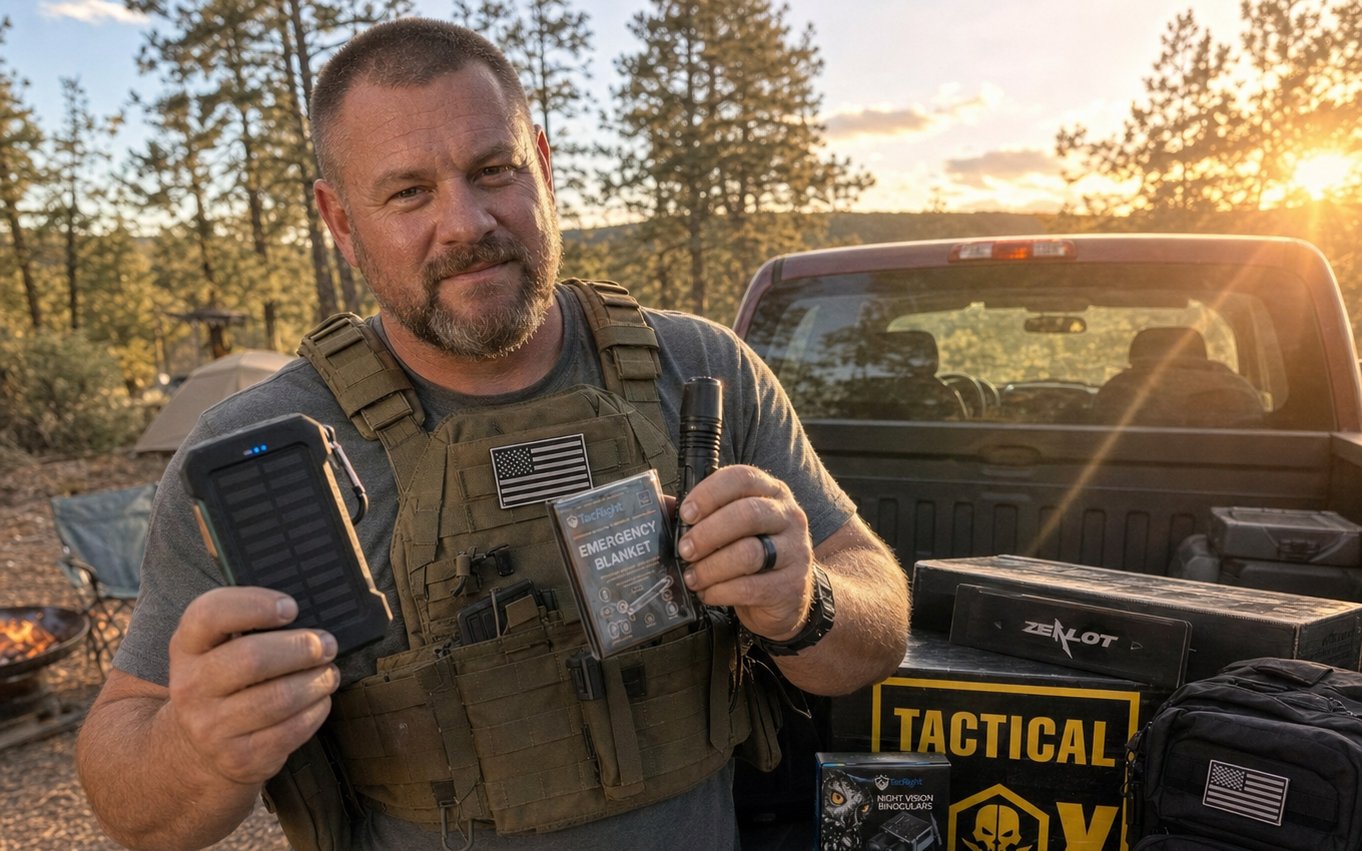
Every month, TacticalBox members get hand-picked tactical, survival, and outdoor gear, sourced ourselves from makers all over the country and curated to be some of the best equipment on the market, worth $150 or more per box on the Standard plan. It's an easy way to build out a get-home bag, a car kit, or whatever else is missing from your setup without hunting down every piece yourself. Backed by a money-back guarantee. Cancel, pause, or skip anytime.
Get Your TacticalBoxThis content is for informational purposes only and is not a substitute for official emergency guidance from local authorities. Evaluate any walking route for your own personal safety, weather, and physical ability before relying on it, and always follow instructions from local emergency management during an active event.