Hurricane Preparedness: Supplies, Evacuation and Staying Safe
The National Weather Service's hurricane planning page lists four things to do before the storm: find out whether you live in an evacuation area, check your emergency equipment, agree on a family plan, and review your insurance. The National Weather Service's supplies page says to have enough non-perishable food, water and medicine for each person for a minimum of three days. The National Weather Service's hurricane hazards page calls storm surge historically the leading cause of hurricane-related deaths in the United States.
A hurricane is not one hazard. It is wind, water from the sea, water from the sky, and sometimes tornadoes, followed by days of cleanup with the power off.
This guide follows the National Weather Service's hurricane preparedness pages and the CDC's safety page for after the storm. Where we add a suggestion of our own, we say so. For the details of your own area, your local emergency management office is the authority.
Know What You Are Preparing For
The National Weather Service's hurricane hazards page lists four hazards, and each one calls for a different kind of preparation.
| 01 | Extreme windsThe page says hurricane winds can destroy buildings and manufactured homes. It gives an Extreme Wind Warning threshold of sustained winds of 115 mph or greater. |
| 02 | Storm surgeThe page says this hazard is historically the leading cause of hurricane-related deaths in the United States. It describes a warning as danger generally within 36 hours and a watch as a possibility generally within 48 hours. |
| 03 | Inland floodingThe page calls flooding from heavy rain the second leading cause of fatalities from landfalling tropical cyclones. Its figures for fast-moving water: 6 inches can knock over and carry away an adult, 12 inches can carry away a small car, and 18 to 24 inches can carry away most large SUVs, vans and trucks. |
| 04 | TornadoesThe page says tornadoes can accompany landfalling tropical cyclones, typically in rain bands well away from the center of the storm. |
Our own suggestion, not the National Weather Service's: if you live inland, do not assume the coast is the only place a hurricane reaches you. The same page treats inland flooding and tornadoes as real hazards of landfalling storms. Our guide to what to do during a flash flood warning covers the water side in more detail.
Make The Plan And Know Your Zone
The National Weather Service's hurricane planning page says the best time to prepare for a hurricane is before hurricane season begins on June 1. If you are reading this mid-season, the second best time is today.
| 01 | Find out if you live in an evacuation zoneThe National Weather Service's evacuation page says: “The first thing you need to do is find out if you live in a hurricane evacuation zone.” Your local government or emergency management office can tell you. |
| 02 | Decide where you would goThe page says you do not need to travel hundreds of miles, and that a destination could be a friend or relative who does not live in an evacuation zone. It says to have multiple options for where to go and how to get there. |
| 03 | Account for your petsThe page says to account for your pets in your plan. Our guide to preparing your pets for an emergency goes through what that involves. |
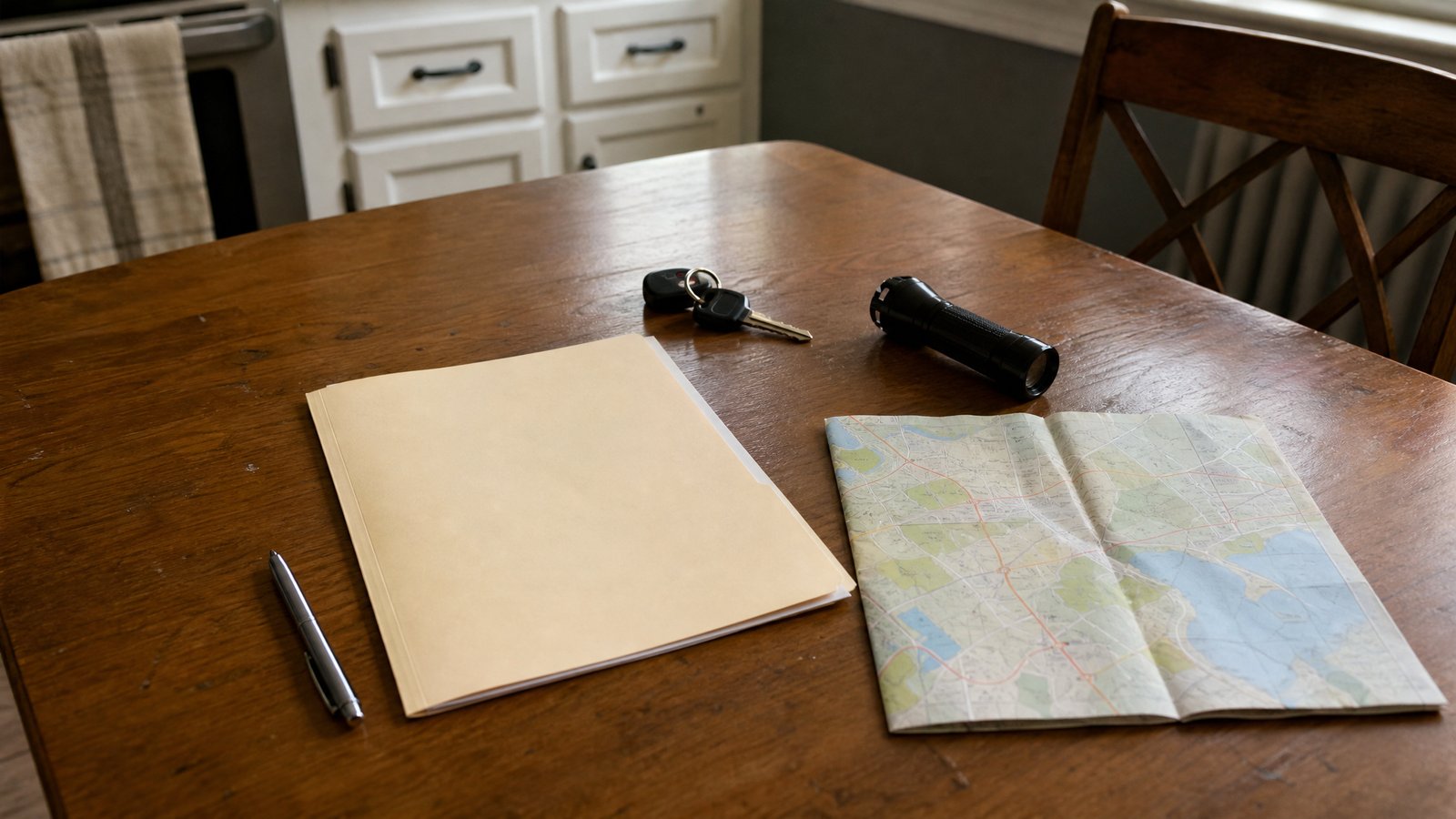
| 04 | Write down the family planThe National Weather Service's hurricane planning page says to decide with your family or close friends how you will get in contact with each other, where you will go, and what you will do in an emergency, and to keep a copy of the plan in your emergency supplies kit. |
| 05 | Check your emergency equipmentThe same page says to check emergency equipment such as flashlights, generators and storm shutters. |
| 06 | Review your insuranceThe page says to review your insurance policies to ensure that you have adequate coverage for your home and personal property. |
One more point from the National Weather Service's evacuation page: if you live in a well-built home outside the evacuation zone, your safest place may be to remain home. The page's summary graphic says to be prepared to leave immediately if ordered to evacuate.
Our own suggestion, not the National Weather Service's: find out now how your local officials announce evacuation orders, so you are not searching for that on the day.
Our own suggestion, not the National Weather Service's: our friends at 1stHour have a family emergency plan guide that is a good template for the written plan.
Gather Supplies
The National Weather Service's supplies page says to make a list of supplies and assemble them before hurricane season begins. Its list is short and specific.
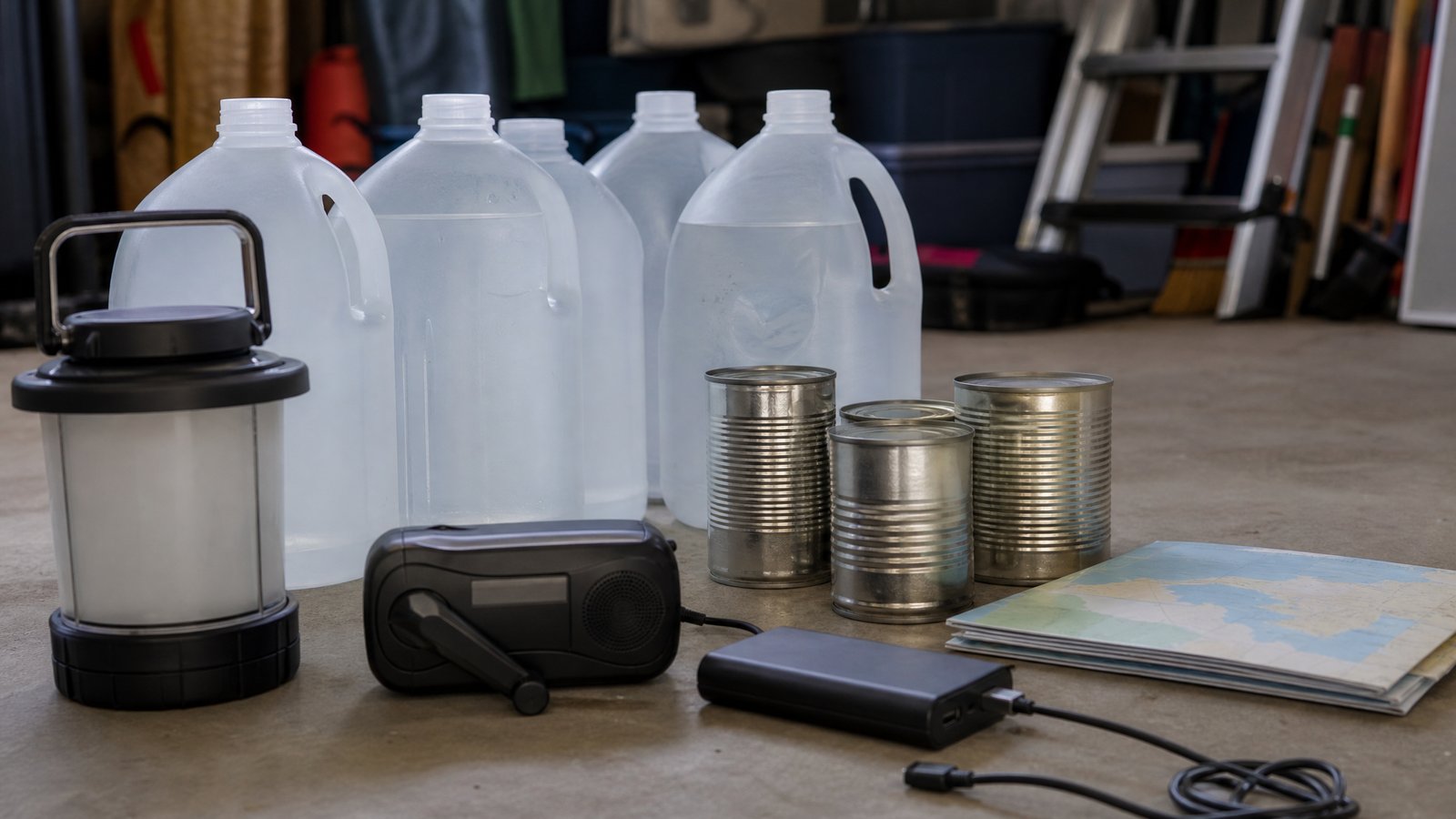
| 01 | Food, water and medicineNon-perishable food, water and medicine to last each person in your family a minimum of three days. The page says electricity and water could be out for at least that long, and to fill your prescriptions and have medicine on hand. |
| 02 | Radio and lightA battery-powered radio and flashlights, with batteries. The summary graphic on the page calls radios, batteries and phone chargers must-haves. |
| 03 | A way to charge your phoneThe page says you may need a portable crank or solar-powered USB charger for your cell phones. |
| 04 | Cash and a full tankExtra cash, and the page's graphic says to gas up your vehicle and have cash on hand. |
If you may use a public shelter, the same page says the CDC recommends bringing items that help protect you and others from illness, including hand sanitizer with at least 60% alcohol, bar or liquid soap, disinfectant wipes if available, and two masks for each person. It adds that children under two and people having trouble breathing should not wear face coverings.
The page gives no amount of water per person per day, so we are not inventing one here. Our guide to water storage basics covers quantities and containers. For light and power, see emergency lighting and choosing a portable power station. And our friends at 1stHour have a home first aid kit checklist to round out the kit.
Staying Safe After The Storm
The CDC's after-a-hurricane safety page is blunt that the danger does not end when the wind does. These are its main points.
| 01 | Stay out of floodwaterThe page says not to drive in flooded areas, because cars or other vehicles will not protect you from floodwaters. It says to wear a life jacket if you must be in or near rising water, and to wash your hands after contact. |
| 02 | Do not enter damaged buildingsDo not enter a damaged building until local authorities determine it is safe, and leave the building if you hear shifting or unusual noises. |
| 03 | Stay clear of downed power linesWatch for fallen lines overhead, stay clear of them, and call the electric company to report them. |
| 04 | Keep generators and stoves outsideNever use portable gasoline or coal-burning equipment or camp stoves inside your home, basement or garage. Keep the equipment outside and at least 20 feet from any window, door or vent. Use a battery-operated or battery backup carbon monoxide detector, and if it beeps, leave your home right away and call 911. |
| 05 | Use flashlights instead of candlesIf the power is out, use flashlights instead of candles. The page says to keep a fire extinguisher handy and make sure your family knows how to use it. |
| 06 | Be careful with food and waterThrow away food that may have contacted flood or storm water, and perishable food that was not refrigerated properly during an outage. The page says: “When in doubt, throw it out!” Do not use water you suspect or have been told is contaminated for baby formula, ice, brushing teeth, food preparation, handwashing or dishes. |
| 07 | Treat small wounds and look after yourselfGet first aid quickly for small wounds to help them heal and prevent infection. The page also says strong emotions are normal after a hurricane, and gives the SAMHSA Disaster Distress Helpline at 1-800-985-5990. |
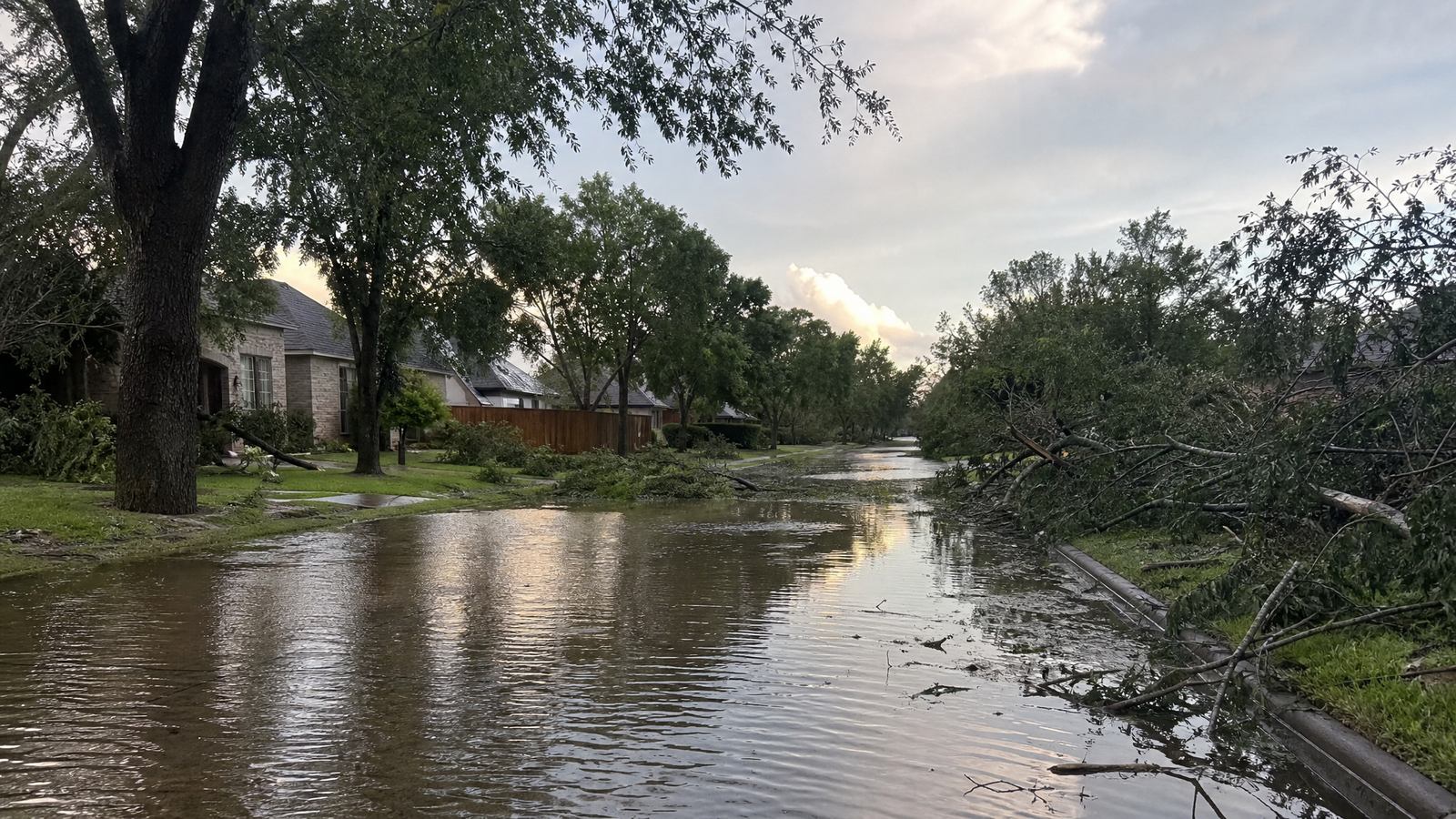
Our own suggestion, not the CDC's: photograph damage before you clean up, and keep the plan and your insurance details in a waterproof bag in the kit. Our guides to choosing a fire extinguisher and emergency sanitation cover two things a long outage tends to bring up.
Get The Hurricane Prep Field Card As A PDF
One page: the plan steps, the three-day supply list and the after-the-storm safety rules, with a box to tick for each.
Download the Field Card (PDF)Build Out Your Storm Kit
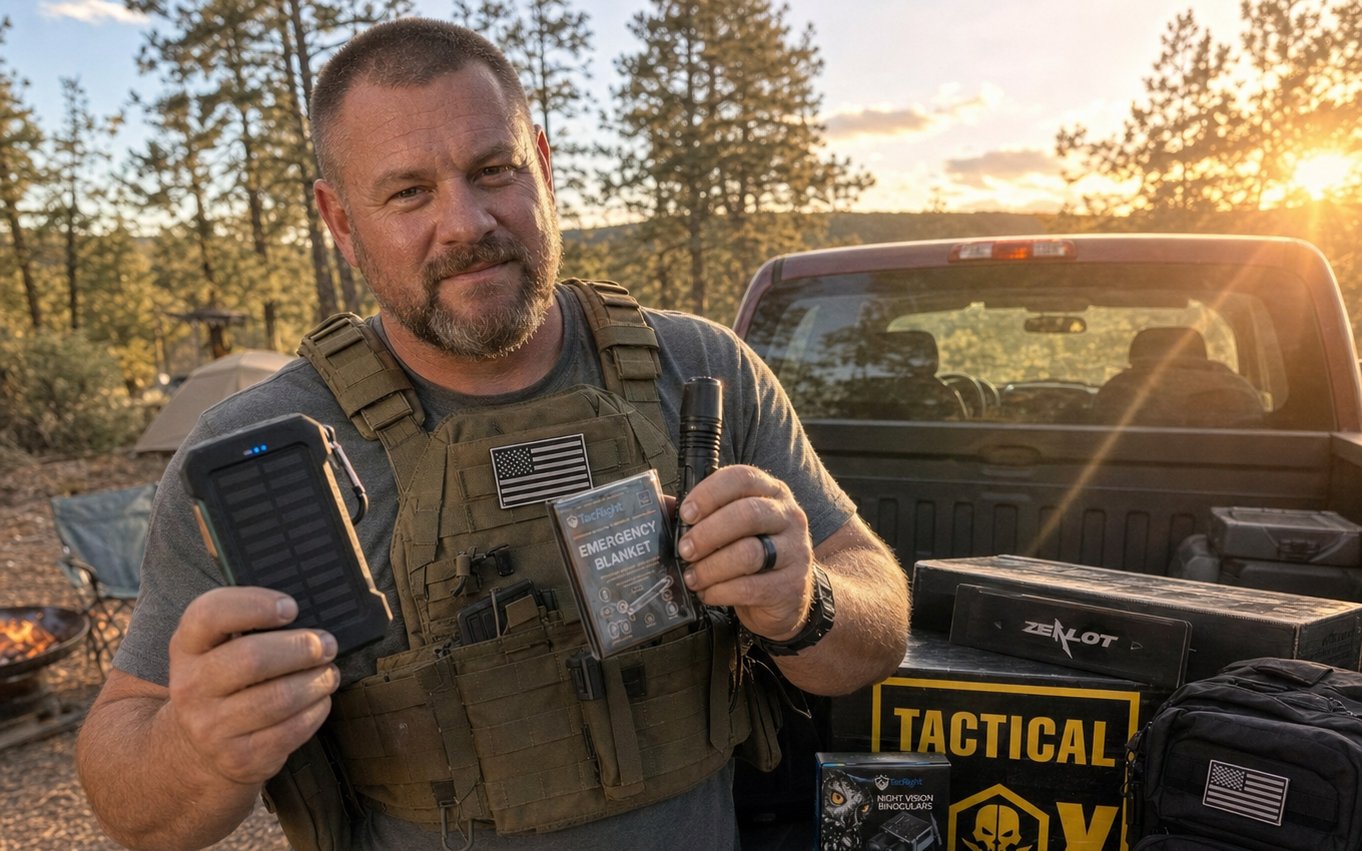
Every month, TacticalBox members get hand-picked tactical, survival, and outdoor gear, sourced ourselves from makers all over the country and curated to be some of the best equipment on the market, worth $150 or more per box on the Standard plan. It's an easy way to keep building out a real emergency kit without hunting down every piece yourself. Backed by a money-back guarantee. Cancel, pause, or skip anytime.
Join TacticalBoxThis content is for informational purposes only. Hurricane hazards, evacuation zones and orders vary by location and change quickly: follow your local emergency management officials and the National Weather Service forecasts for your area, and leave when you are told to.