
Emergency Lighting: Headlamps, Lanterns and Backups
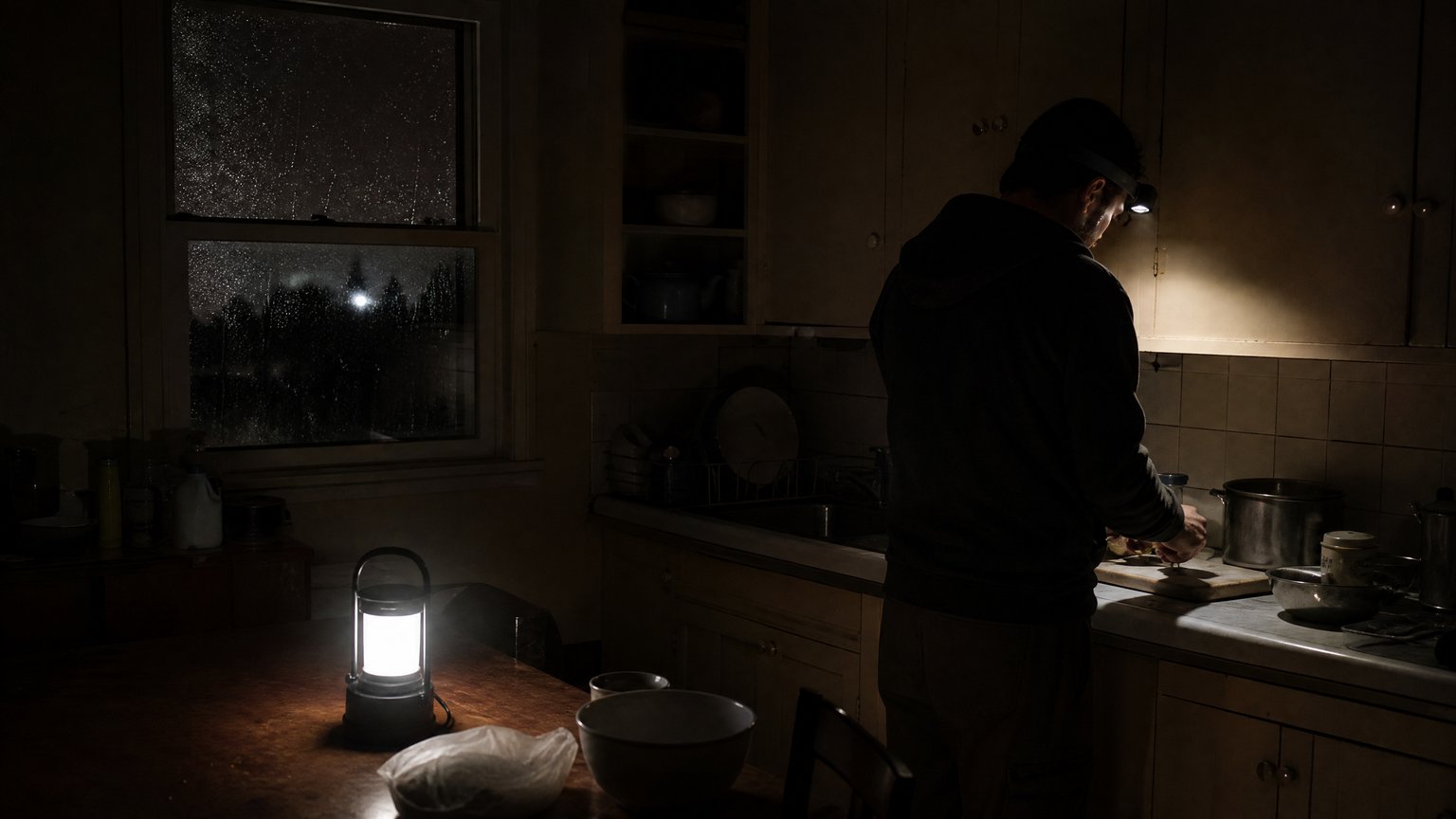
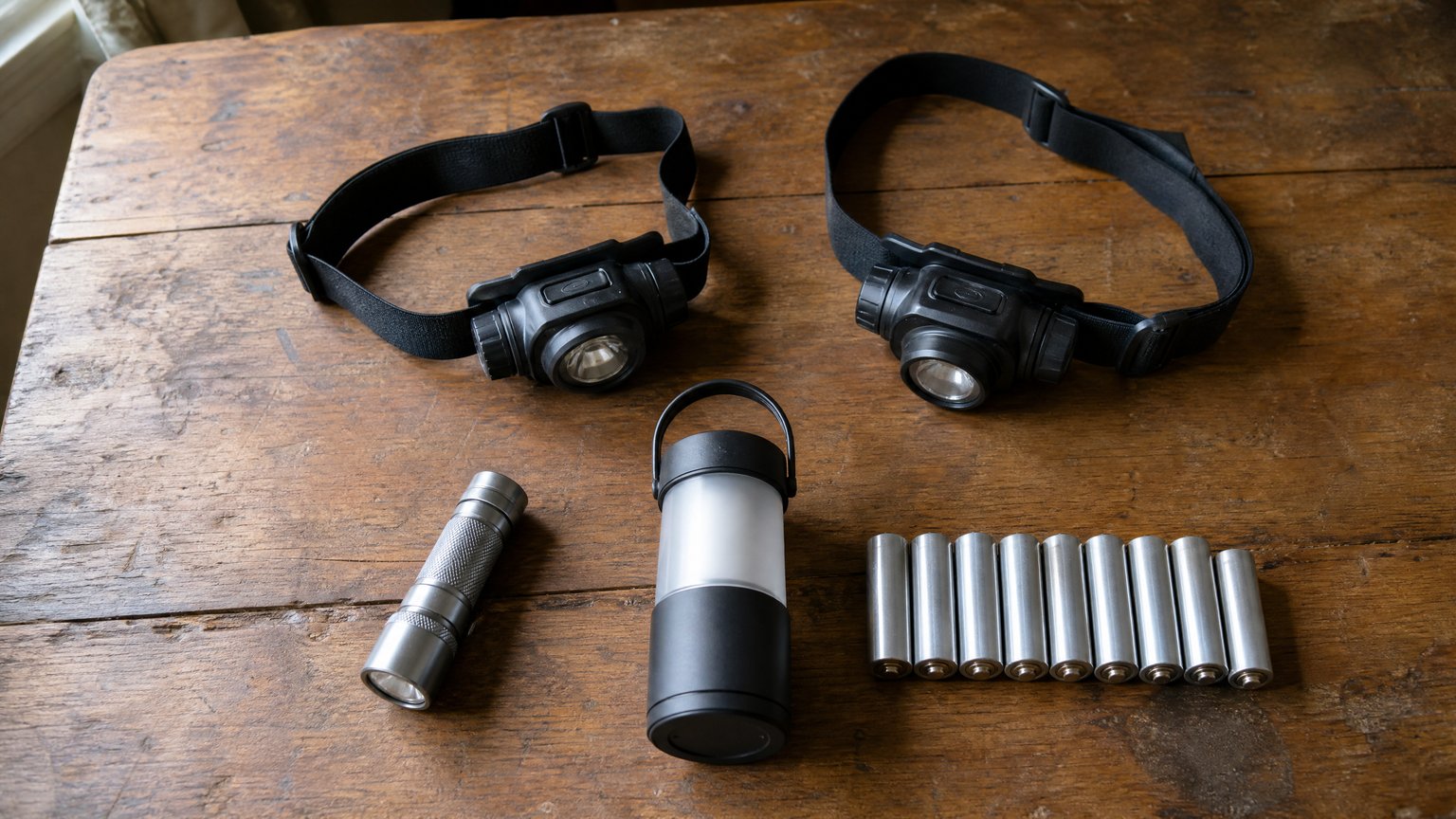
Build your emergency lighting in three layers. A headlamp for every person in the house, because it keeps both hands free for the work an outage actually creates. A battery lantern or two to light a whole room so nobody is walking around in the dark. And a small backup flashlight with spare batteries for when the first two fail. Skip candles during an outage, don't run fuel-burning lanterns inside, run everything on one or two battery sizes, and test the whole setup before you need it.
In 2014 through 2018, U.S. fire departments responded to an average of 7,610 home fires started by candles every year, fires that killed an average of 81 people annually, according to the National Fire Protection Association's home candle fire report. The NFPA's own candle safety tip sheet is blunt about outages: have flashlights and battery-powered lighting ready to use, and never use candles.
FEMA's power outage info sheet on Ready.gov points the same direction under "stay fire safe": use flashlights, lanterns, and other battery-powered lights, and don't use gas stoves or candles to heat your home. Plenty of households own a flashlight. Fewer own a lighting setup that actually covers a three-day outage for every person in the house. That gap is what this guide is about.
Build It In Three Layers
No single light does every job well. A flashlight in your hand is useless when you need both hands to find a breaker panel or change a diaper. A lantern lights a room but not the inside of a cabinet. Splitting the work across three kinds of light covers the gaps.
| 01 | A headlamp for every personThis is the primary light. It points wherever you look and leaves both hands free for cooking, first aid, carrying water, or working on a generator outside. One per person, kids included, stored where each person can find it in the dark. |
| 02 | A battery lantern for each room you'll live inA lantern throws soft, even light across a whole room, which cuts down on trips and falls and makes a long night feel a lot less grim. Plan on one for the main living space and one for the bathroom at minimum. |
| 03 | A small backup flashlight and spare batteriesThe backup covers a dead headlamp, a lost light, or a guest who didn't bring one. Keep it with the spare batteries so the two always turn up together. |
If you've already built out a room-by-room blackout kit, lighting is the piece worth checking first. It's the thing every other task during an outage depends on.
What Actually Matters When You Buy
Packaging leads with the biggest brightness number it can print. For emergency use, brightness is rarely the thing that fails you. Runtime, simplicity, and batteries you can actually replace matter a lot more.
| 01 | A real low modeA dim setting is enough to move around a house, read, or cook, and it stretches a set of batteries far longer than the max setting will. A light that only has one bright mode burns through your supply fast. |
| 02 | A red mode on the headlampUseful for checking on sleeping kids, reading a map at night, or keeping your eyes adjusted to the dark outdoors. More on why below. |
| 03 | Batteries that match the rest of your gearPick one or two battery sizes and buy lights that run on them. A drawer of five different sizes is how people end up with three dead lights and the wrong spares. |
| 04 | Controls you can work in the darkIf it takes four clicks to find the low mode, a tired person at 2 a.m. won't find it. Try it with your eyes closed before you commit. |
| 05 | Weather resistanceOutages come with storms. A light that dies the first time it gets rained on while you check the yard isn't an emergency light. |
Why Your Headlamp Needs A Red Mode
An article published by the National Park Service, written by Jim O'Connor of the Tucson Amateur Astronomy Association, explains the mechanics. Night vision depends on a light-sensitive chemical in the eye called rhodopsin, and the article puts it at 20 to 40 minutes in low light before you start benefiting from it. A few seconds of bright light breaks it down, and the cycle starts over.
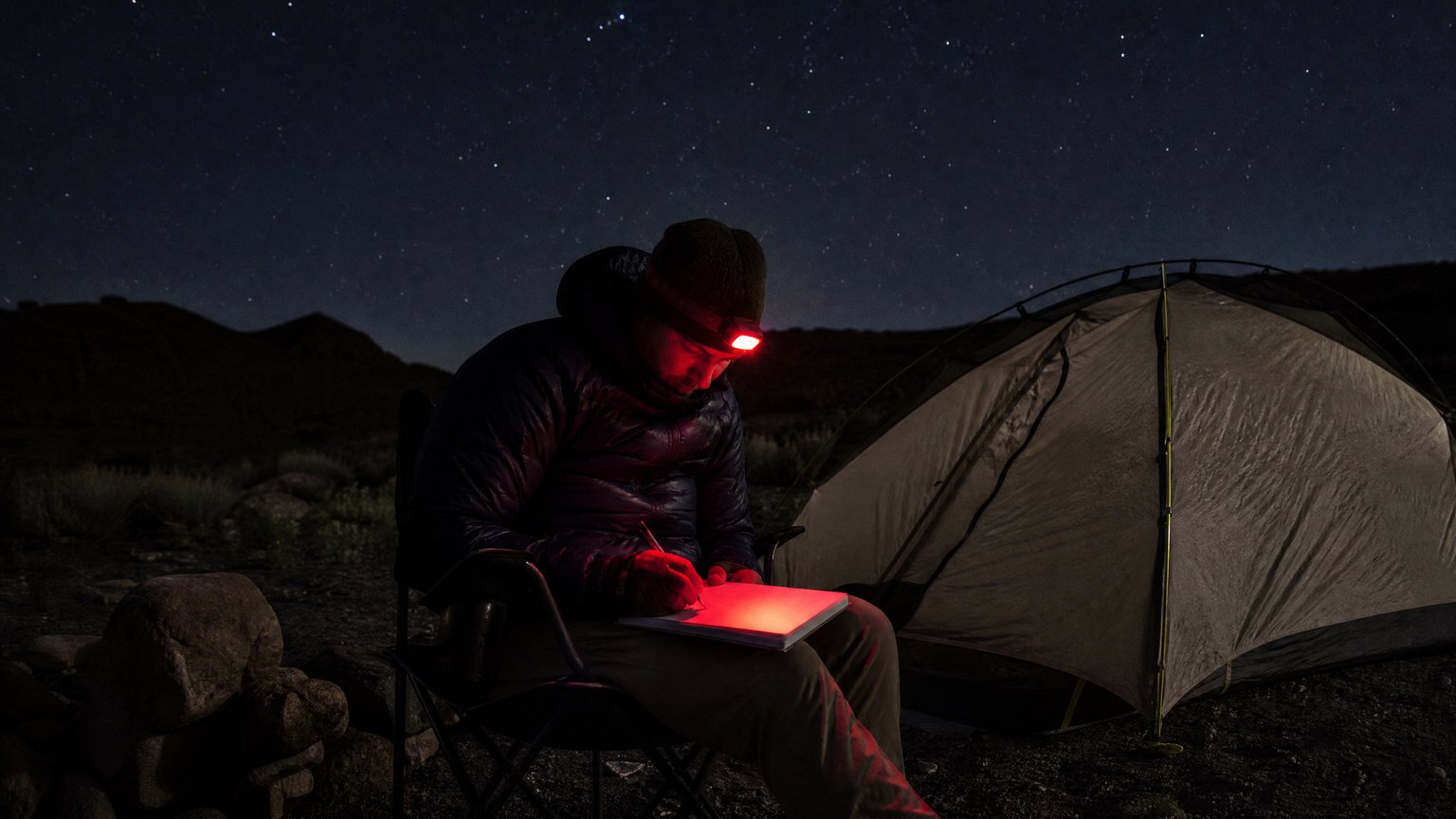
Deep red light doesn't trigger that breakdown, which is why astronomers and safety officials use it, the article notes. One caveat it's careful to include: unless the light is a pure single color, even red light carries some of the other colors, so a bright red light can still cost you. Dim red is the setting that preserves the most. Outdoors during an outage, that means you can check a fence line or a generator without walking back into a yard that suddenly looks pitch black.
Candles And Fuel Lanterns: Where They Don't Belong
A lot of households still reach for candles first when the lights go out, and the NFPA's own review of fatal candle fires shows why that's a bad habit. The same NFPA report describes a review of 117 fatal candle fires from 2005 through 2010: the home was without power in about a quarter of them. In most of those, the power had been shut off or the home lacked utilities, but about a quarter happened during an ordinary temporary outage, which is exactly when a lot of people reach for a candle.
If Someone Does Get BurnedAn open flame in a dark room is exactly how minor burns happen. 1stHour's guide to burn first aid covers what to do in the first few minutes and which folk remedies make a burn worse.
Fuel-burning camp lanterns carry a different risk. The U.S. Consumer Product Safety Commission's safety alert on camping equipment warns against using portable heaters or lanterns while sleeping in enclosed areas such as tents, campers, and other vehicles, and says the risk is higher at high altitudes. The same alert lists the carbon monoxide symptoms to know: headache, dizziness, weakness, nausea, vomiting, sleepiness, and confusion. A fuel lantern is a fine tool for an open campsite. Inside a house with the windows shut against a storm, a battery lantern is the right call.
Batteries, Charging And Keeping It All Working
Most emergency lights fail for boring reasons: dead batteries, corroded contacts, or a light nobody has turned on since the last outage. A few habits prevent almost all of it.
| 01 | Store spares with the lightsKeep a sealed bin of spare batteries in the same spot as the lanterns and backup flashlight, sized to the one or two battery types you standardized on. |
| 02 | Pull batteries from lights stored for long stretchesA light that sits for months with batteries inside can come out with corroded contacts. Storing the batteries beside the light, not in it, avoids that for gear that only comes out during outages. |
| 03 | Test everything on a schedulePick a date you'll remember, like the change of seasons, and turn on every light in the kit. Rotate any spares that are getting old into everyday use. |
| 04 | Don't count on your phone as a flashlightFEMA doesn't address phone flashlights directly, but its outage guidance is to keep phones charged before an outage and plan for other ways to charge them. Your phone is your line to news and help. Burning its battery as a flashlight spends the one resource you can least afford to waste. |
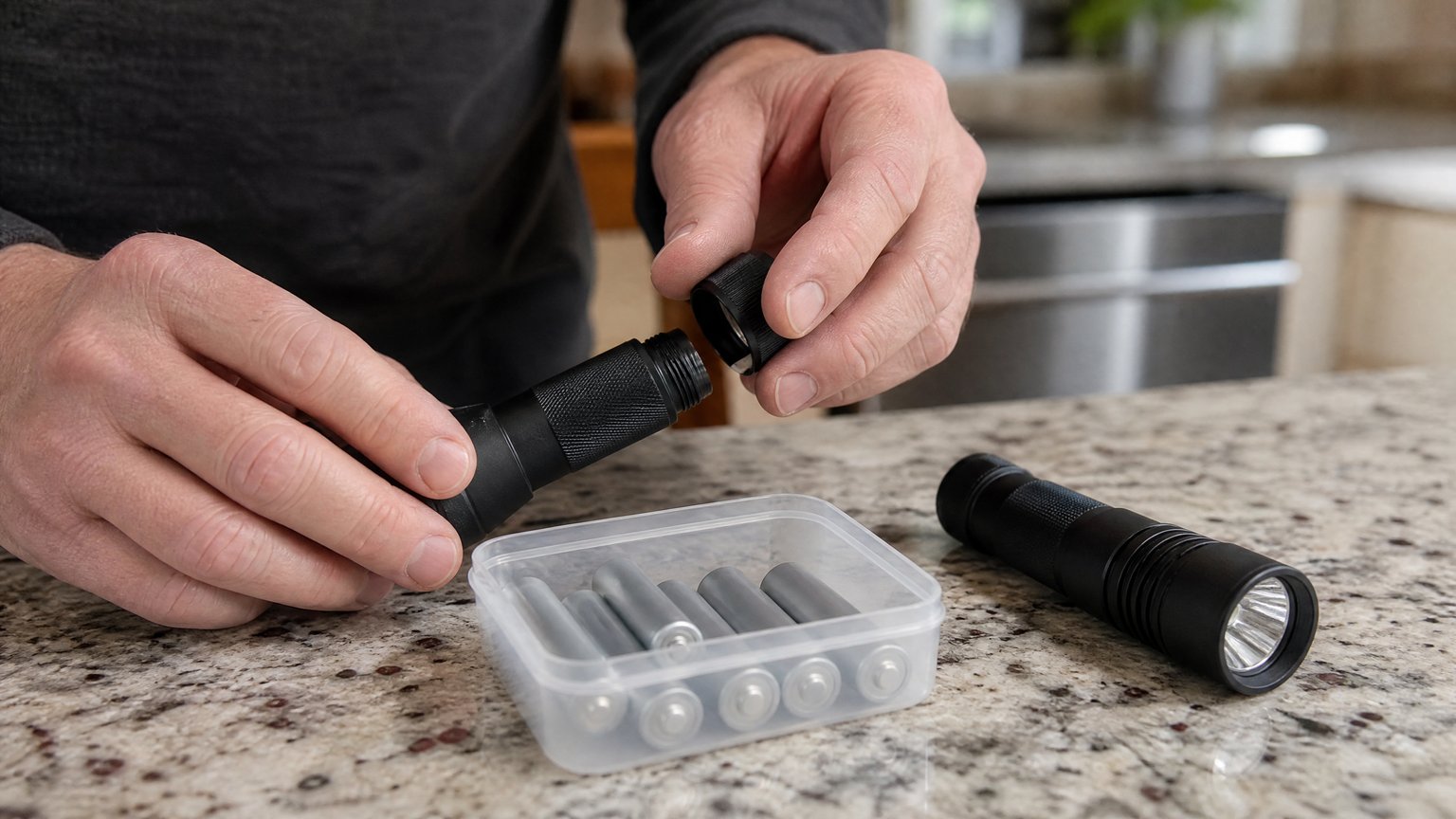
Rechargeable lights paired with a charged power bank are a good addition, as long as the power bank is part of the same test schedule. For the rest of the outage picture, food, water, heat, and communication, our guide to preparing for a power outage picks up where this one leaves off.
Get The Emergency Lighting Checklist As A PDF
The three layers, what to look for when you buy, the safety rules for candles and fuel lanterns, and a seasonal test log, all on one printable page to keep with your kit.
Download the Checklist (PDF)Stock Your Kit Before The Lights Go Out
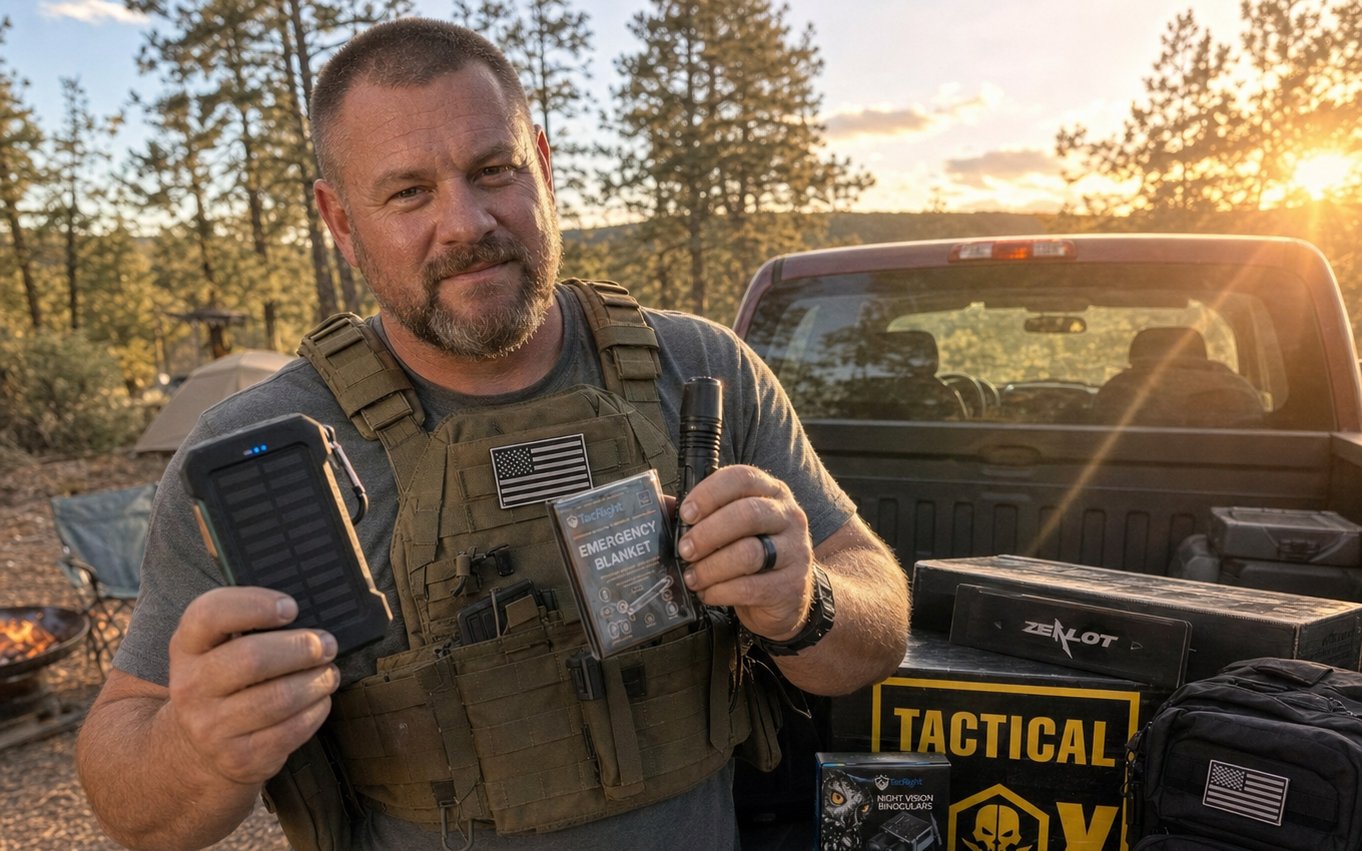
Every month, TacticalBox members get hand-picked tactical, survival, and outdoor gear, sourced ourselves from makers all over the country and curated to be some of the best equipment on the market, worth $150 or more per box on the Standard plan. It's an easy way to keep building out a real emergency kit without hunting down every piece yourself. Backed by a money-back guarantee. Cancel, pause, or skip anytime.
Start Your TacticalBoxThis content is for informational purposes only and is not a substitute for official emergency guidance from local authorities or the instructions that come with your lighting equipment. Follow the manufacturer's directions for any fuel-burning appliance, never use one indoors unless it is specifically designed for that use, and install working smoke and carbon monoxide alarms in your home.