
How to Prepare for a Power Outage: A Complete Readiness Checklist
Keep a charged flashlight, backup power bank, three days of water and shelf-stable food, and a battery or hand-crank radio on hand at all times. Know how to keep your fridge cold longer, run a generator safely, and stay in touch with family before the grid ever goes down.
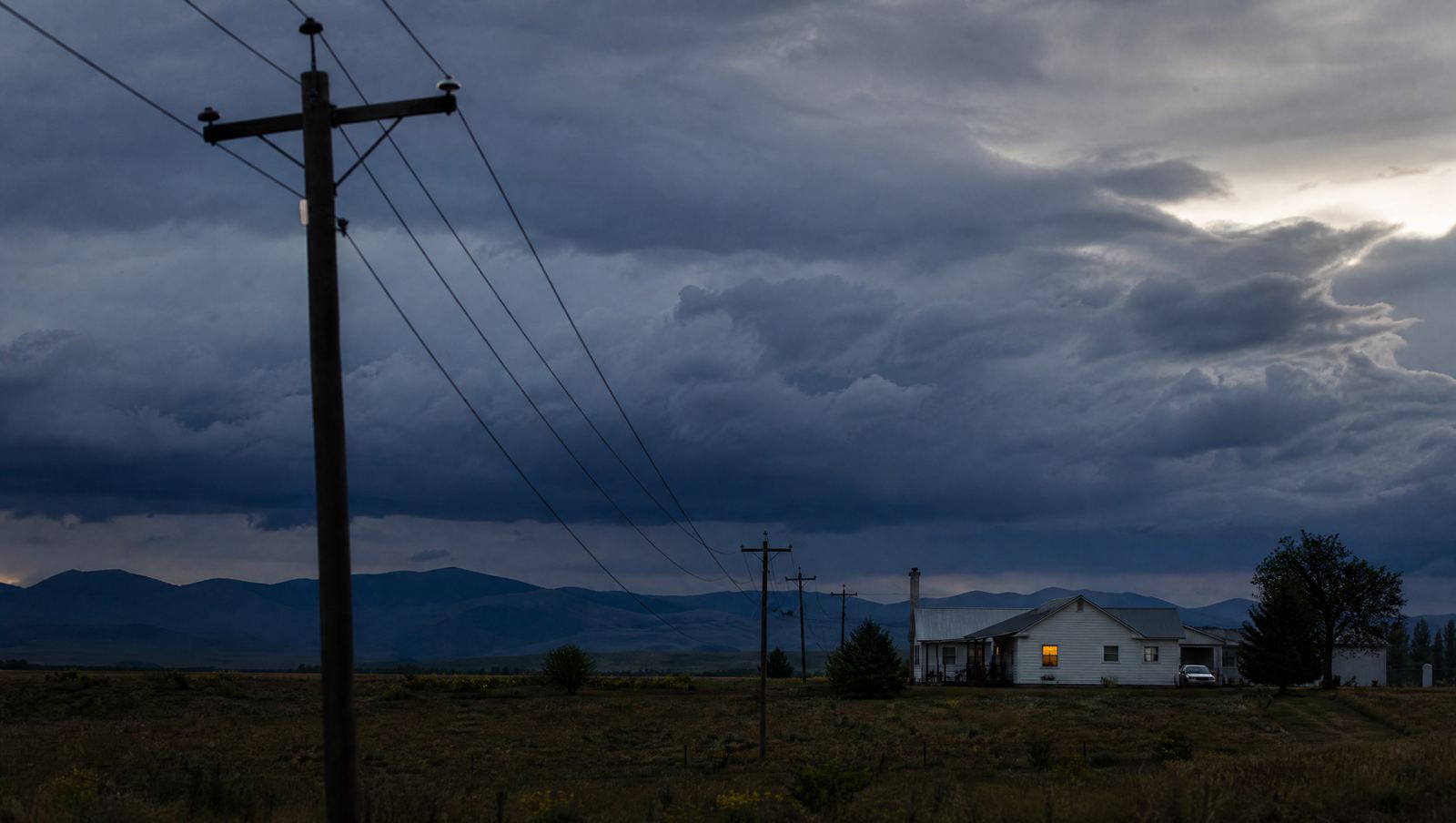
Power outages aren't rare anymore. Bigger storms, wildfire-related shutoffs, and an aging grid mean more homes are losing power for longer stretches, sometimes with little warning. Being ready isn't about paranoia. It's about not scrambling in the dark when it happens, literally.
Why Outages Are Becoming More Common
Extreme weather events are hitting harder and more often, and utility companies are increasingly cutting power on purpose during high-risk conditions like wildfire season to prevent downed lines from sparking fires. On top of that, a lot of the grid infrastructure in the U.S. is decades old and wasn't built for today's demand. The result: outages that used to be rare, isolated events are becoming a normal part of the year in a lot of regions.
Before It Happens: Build Your Kit
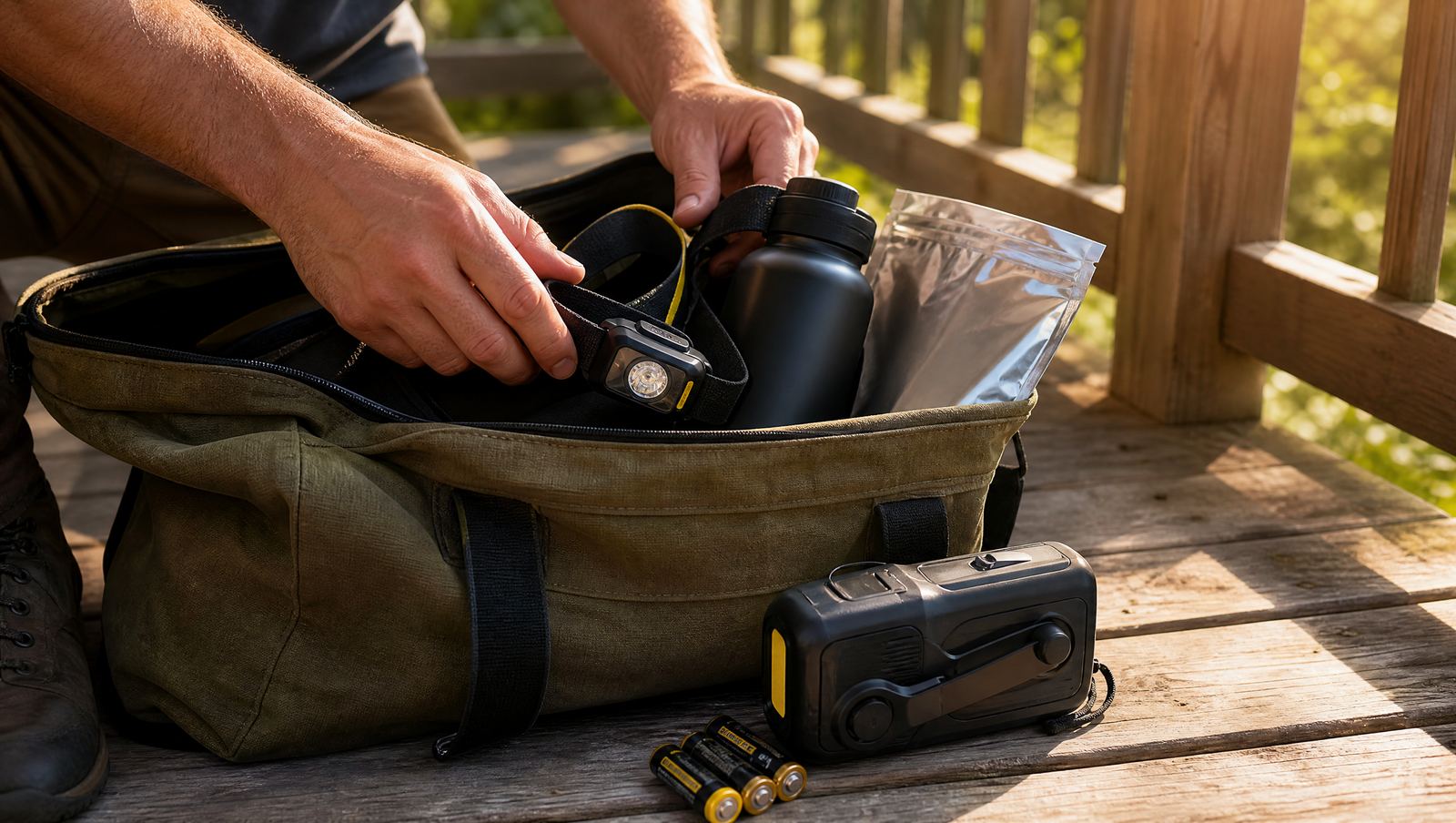
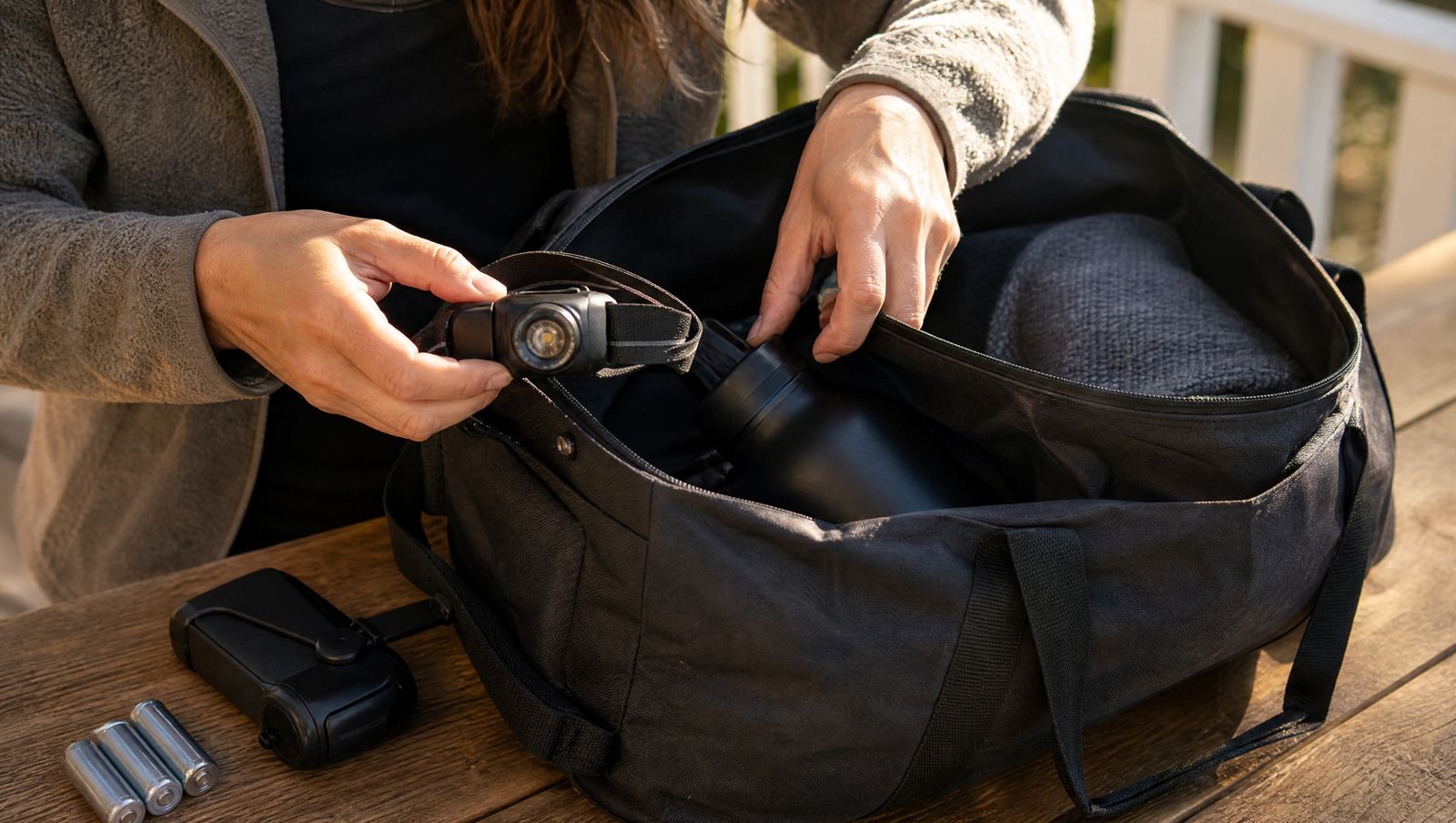
The best time to prepare is when nothing is wrong yet. A basic outage kit should include a reliable flashlight (headlamps free up your hands), extra batteries, a portable power bank or hand-crank charger for phones, at least three days of water per person, and shelf-stable food that doesn't need cooking. Keep a battery or hand-crank radio too. Cell towers can go down along with the grid, and a radio keeps you connected to emergency updates when your phone can't.
During the Outage: What Actually Matters
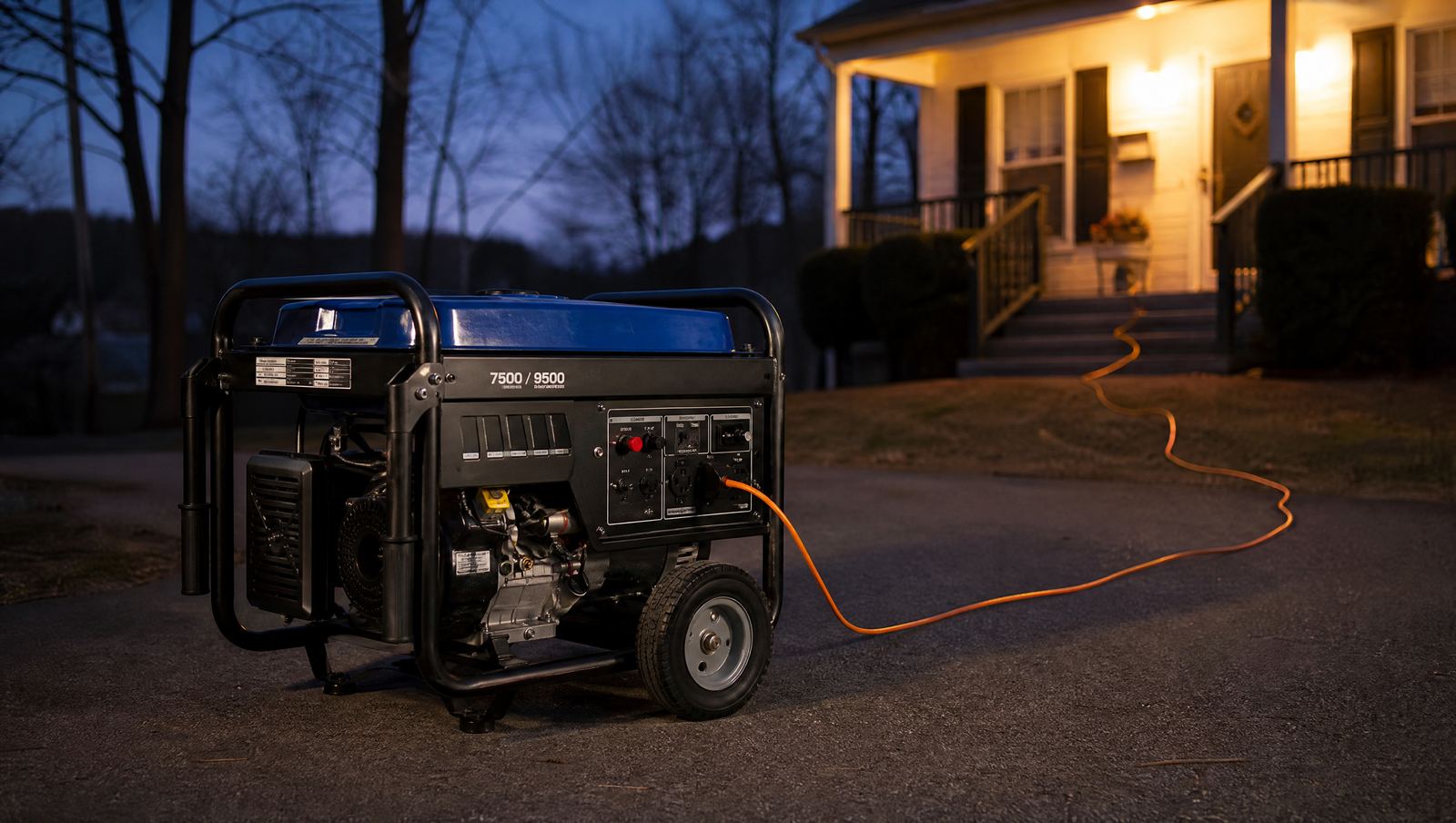
Keep your fridge and freezer closed as much as possible. According to FoodSafety.gov, a full freezer holds temperature for about 48 hours unopened, a fridge closer to 4 hours. If you're running a generator, always run it outside, well away from windows and doors. Generator exhaust contains carbon monoxide, and per the CDC's generator safety guidance, it kills people every year in outages, usually because the generator was running in a garage or too close to the house. Light candles carefully or skip them entirely in favor of battery lanterns, since the NFPA notes a lot of house fires during outages come from unattended candles. Conserve your phone battery for real communication, not scrolling, and check in with family or neighbors so everyone knows you're safe.
After the Power Comes Back
Check your fridge and freezer for spoiled food before you assume everything's fine. If a freezer stayed below 40°F the whole time it's usually safe, but when in doubt, throw it out. Reset breakers if anything tripped, and check on neighbors, especially anyone elderly or with medical equipment that depends on power. If the outage was widespread, expect delays in things going fully back to normal, from traffic lights to grocery restocking.
None of this requires a bunker's worth of gear. It just means having the basics sorted before you need them; a good flashlight, a way to charge your phone, water and food that doesn't spoil, and a radio that doesn't need the grid to work. That's the kind of gear TacticalBox members get delivered every month, so it's already on hand long before an outage hits.
Gear is only half of it. It's also worth having a family emergency plan in place, and a home first aid kit stocked and easy to find, for whatever else an extended outage brings with it.
Get This Checklist as a Printable PDF
Everything above, condensed to one page you can print and stick on the fridge or tuck into your kit — before, during, and after checklists included.
Download the Checklist (PDF)Never Scramble For Gear Again
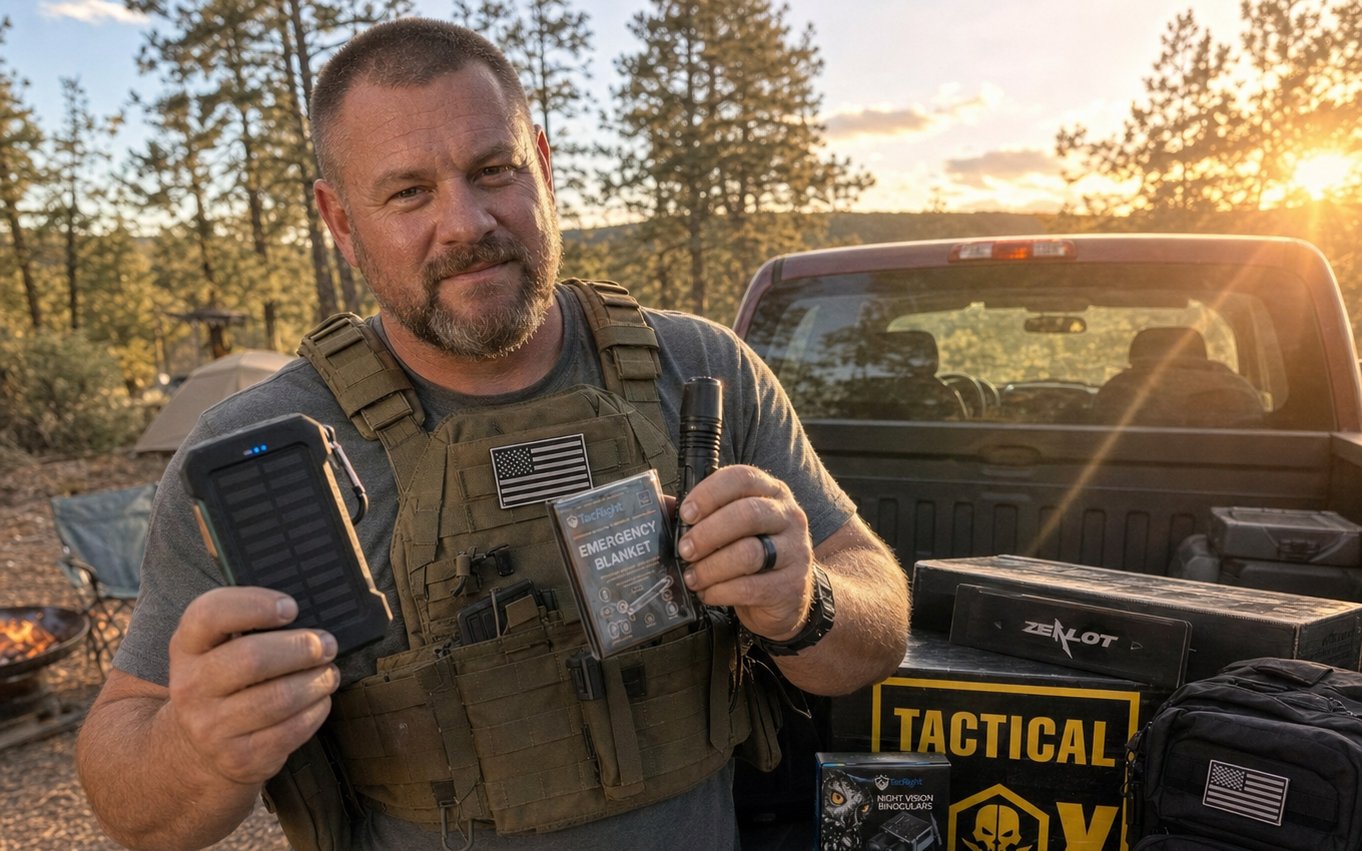
Every month, TacticalBox members get hand-picked tactical, survival, and outdoor gear, sourced ourselves from makers all over the country and curated to be some of the best equipment on the market, worth $150 or more per box. Subscribe once and the right gear keeps showing up before you need it, backed by a money-back guarantee.
Get Your TacticalBoxThis content is for informational purposes only and is not a substitute for guidance from local emergency management or utility officials during an actual outage event.