
Flood Preparedness: What to Do Before the Water Rises
The Ready.gov floods page says homeowner’s policies do not cover flooding and that “it typically takes up to 30 days for a policy to go into effect so the time to buy is well before a disaster.” The National Weather Service flood safety page says to leave early rather than wait for an order, and that “it is never safe to drive or walk through flood waters.”
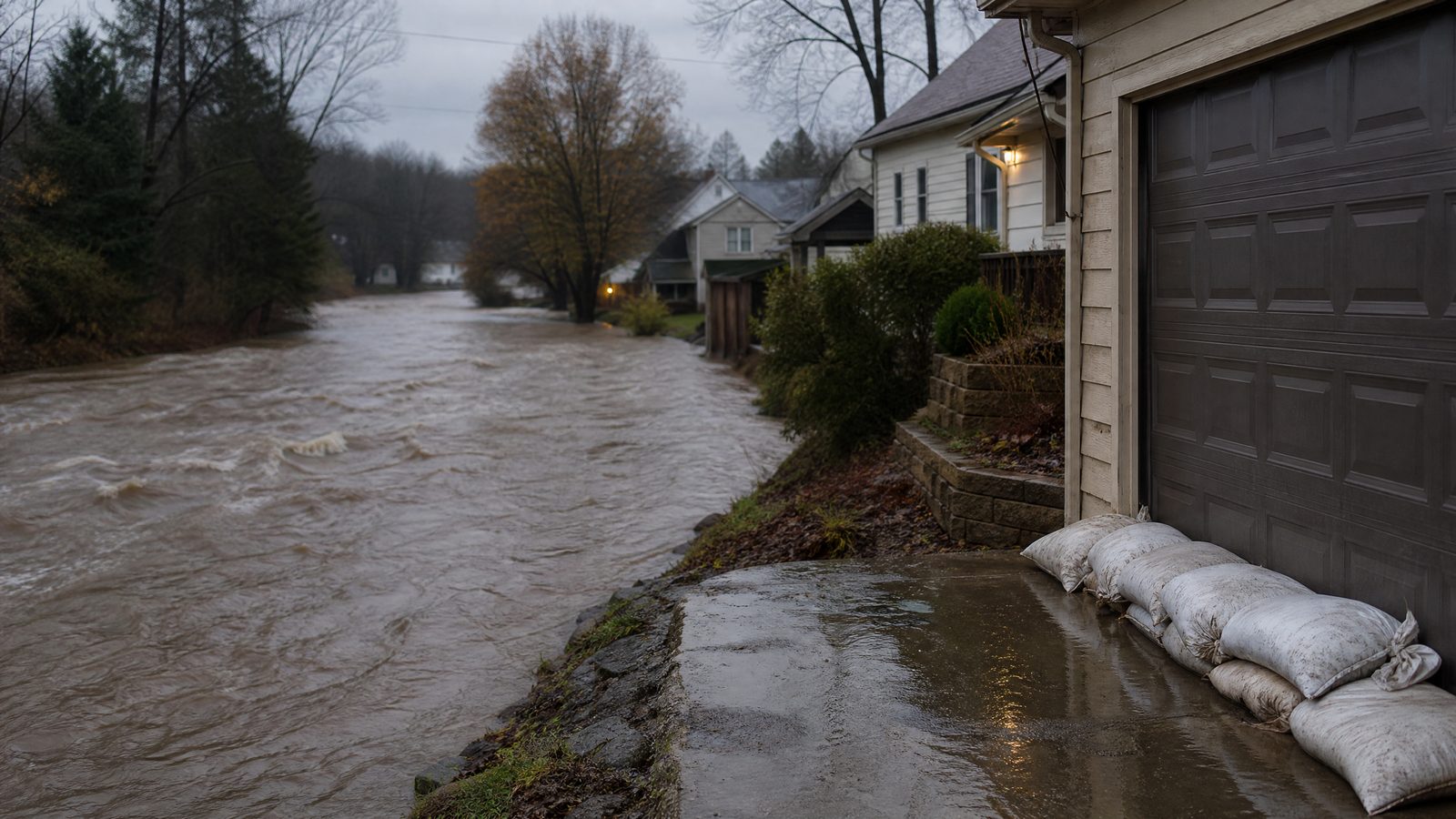
Most flood advice starts when the water is already coming. The useful part happens earlier, in the days and weeks when nothing looks wrong. Insurance has a waiting period, sandbags take time to fill and place, and a plan you have never talked through falls apart under pressure.
This guide is about that earlier window. It draws on three public sources: the National Weather Service flood safety page (page created May 2024), the Ready.gov floods page (last updated October 17, 2024) and the FEMA FloodSmart “Flood Insurance 101” page, which shows no date. Where we add our own judgment, we label it as ours. If water is already rising near you, our guide on what to do during a flash flood warning is the better place to start.
Know Your Risk First
The National Weather Service flood safety page lists knowing whether your home or your routes lie in a floodplain as part of preparing. The FEMA FloodSmart “Flood Insurance 101” page adds a reason not to assume you are safe: for 2014 to 2024, it reports that “almost one-third of NFIP flood insurance claims came from areas located outside of high-risk areas.”
Our own tip: check the routes you would actually drive, not just your address. A dry house on a road that floods can still trap you.
Insurance Is the Slow Step
This is the one preparation that cannot be rushed. The FEMA FloodSmart “Flood Insurance 101” page says “most homeowners insurance policies do not cover flood damage” and that “typically, there is a 30-day waiting period between the date of purchase and the effective date.” It also lists exceptions, such as flood insurance bought in connection with a mortgage loan. The NWS page makes the same point: many flood policies take at least 30 days to go into effect.
| 01 | Check what your policy coversBoth Ready.gov and the NWS page say standard homeowner’s coverage does not include flooding. Read your own policy rather than assuming. |
| 02 | Ask about the waiting period before you need itReady.gov says to buy or renew flood insurance well before a disaster, because the policy can take up to 30 days to take effect. |
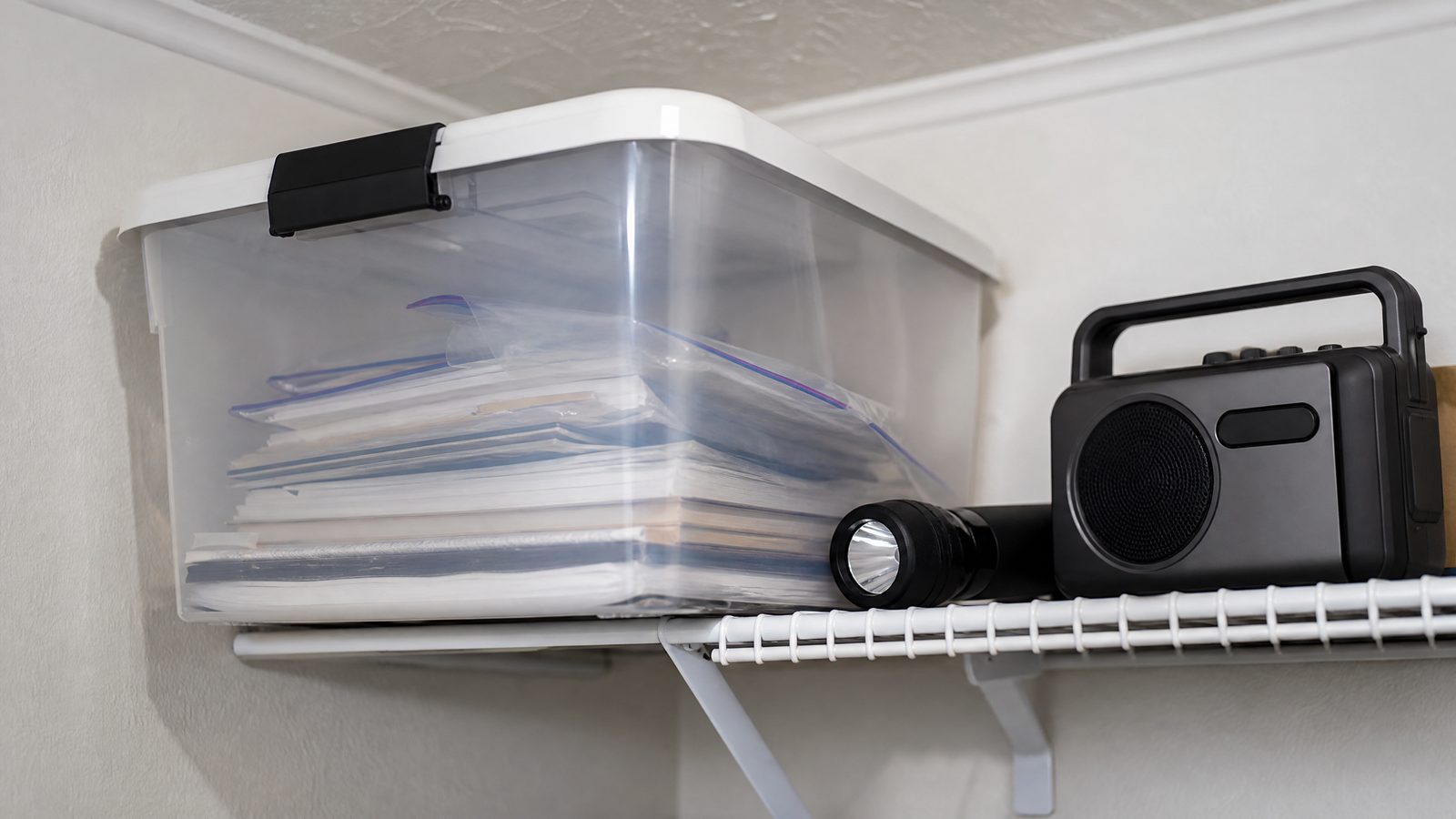
| 03 | Keep your papers dryReady.gov says to keep important documents in a waterproof container and make password-protected digital copies. Our go-folder guide lists what to put in one. |
What You Can Do to the Building
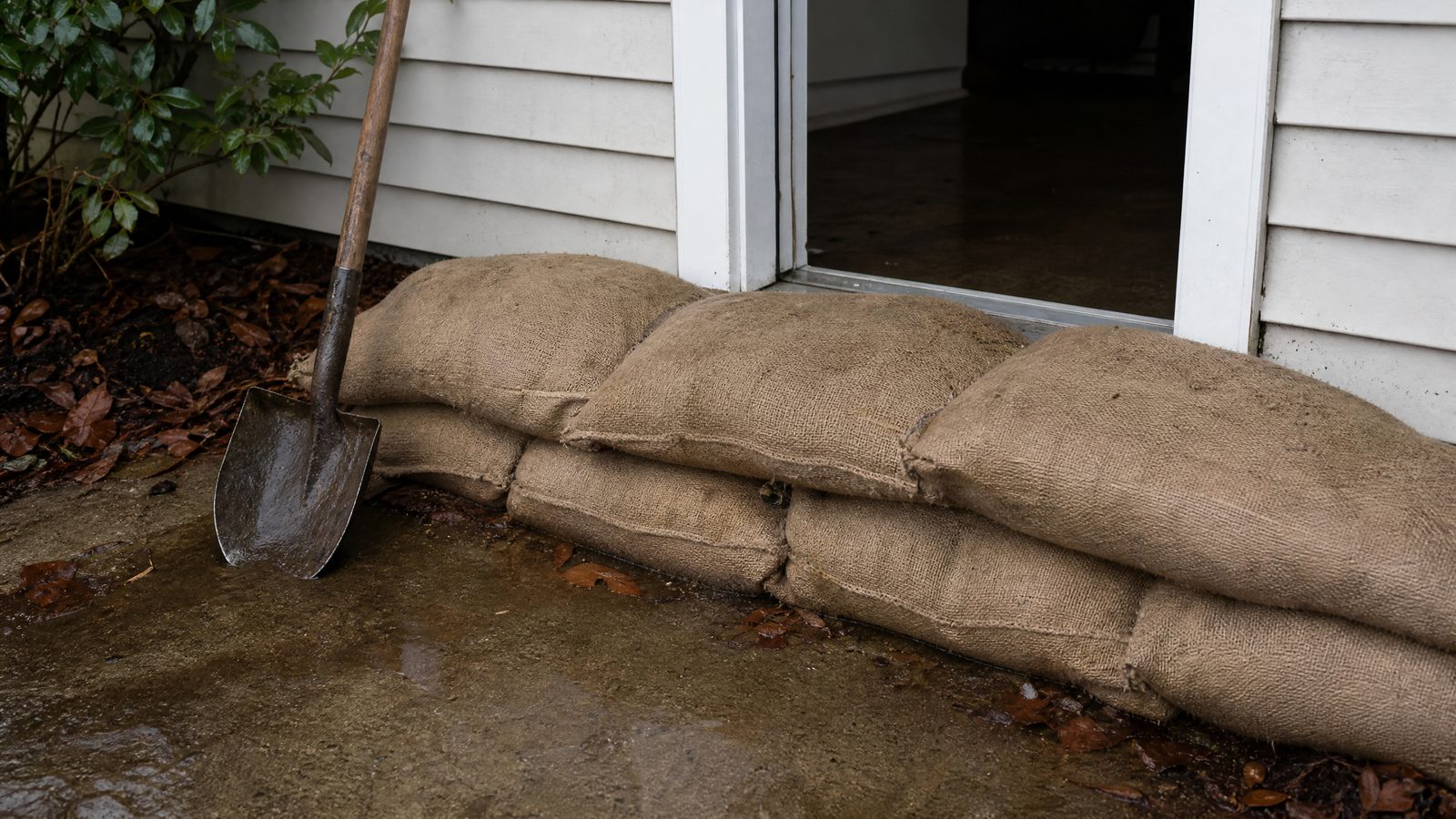
The National Weather Service flood safety page lists three home-protection steps: use sandbags if you have time, install check-valves, and check your sump pump. It does not say how to build a sandbag barrier, so we will not invent a method here. Local emergency management offices usually publish their own instructions and may tell you where to get sand and bags.
| 01 | Sandbags, if you have timeThe NWS page says to use them if you have time. Our judgment: that phrase matters, because filling and placing bags is slow, hard work that should not start when the water is at the door. |
| 02 | Check-valvesThe NWS page names check-valves as a protection step. The sources we read do not explain how they are installed, so ask a licensed plumber. |
| 03 | Your sump pumpThe NWS page says to check it. Our tip: test it before the storm season, not during one. |
Watch Means Prepare, Warning Means Act
The National Weather Service flood safety page draws the line plainly. A watch is issued when a hazard is possible, and flooding is not occurring yet, so that is the time to prepare. A warning is issued when the hazard is occurring or will be very soon, which means act immediately. Treat a watch as the signal to finish whatever on this list is still undone.
| 01 | Make a household planReady.gov says to plan ahead with your household, including pets, and to practice evacuation routes and shelter plans. The NWS page says to plan a way to communicate with family. Our sister brand’s family emergency plan guide can help with the plan itself. |
| 02 | Keep at least 3 days of suppliesThe NWS page says to keep at least three days of supplies. Our guide on water storage basics covers the water side, and our hurricane preparedness guide has a fuller supply list. |
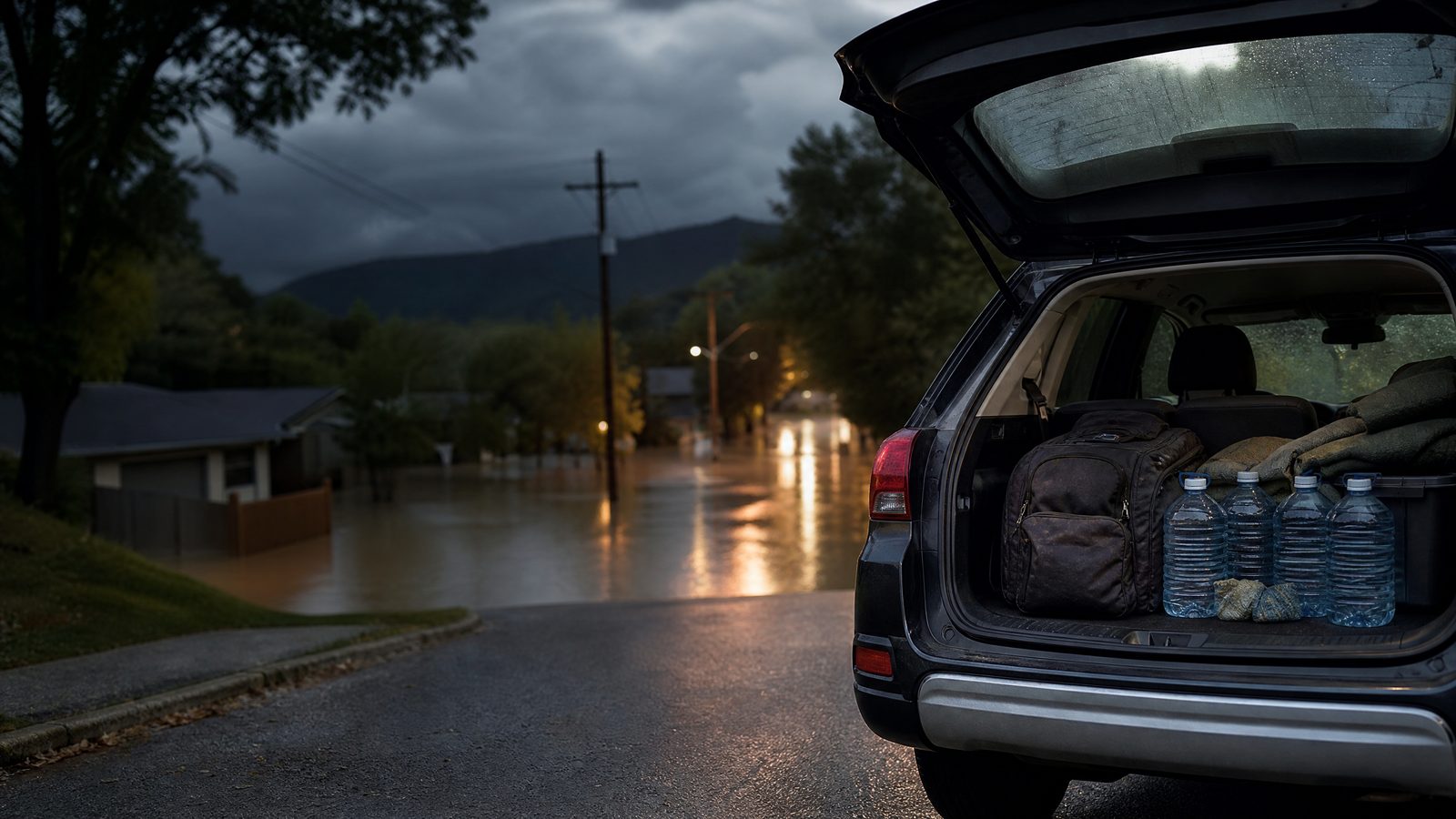
| 03 | Leave earlyThe NWS page says “don’t wait to be ordered to leave; evacuate yourself!” if flooding is likely, and Ready.gov says to evacuate if told to and never drive around barricades. |
| 04 | Do not drive through waterThe NWS page says “just six inches of fast-moving water can knock over and carry off an adult” and “twelve inches of water can float a small car.” Ready.gov says one foot of moving water can sweep your vehicle away. |
The Parts You Hope to Skip
If you are trapped, the NWS page says to move to the highest possible point and call 911 if possible. It also says to stay out of water that may have electricity in it. After the water recedes, both sources say to return only when authorities say it is safe, and Ready.gov warns that floodwater may be contaminated and that wet electrical equipment is a hazard. The NWS page says never to use a portable generator inside your home or garage.
One note on the sources: the NWS page gives annual flood deaths as 89 in one place and nearly 90 in another, so we are not quoting a precise count.
Get The Flood Prep Field Card As A PDF
One page covering insurance, paperwork, home protection and leave-early rules, to keep with your emergency papers.
Download the Field Card (PDF)Build Out Your Preparedness Kit
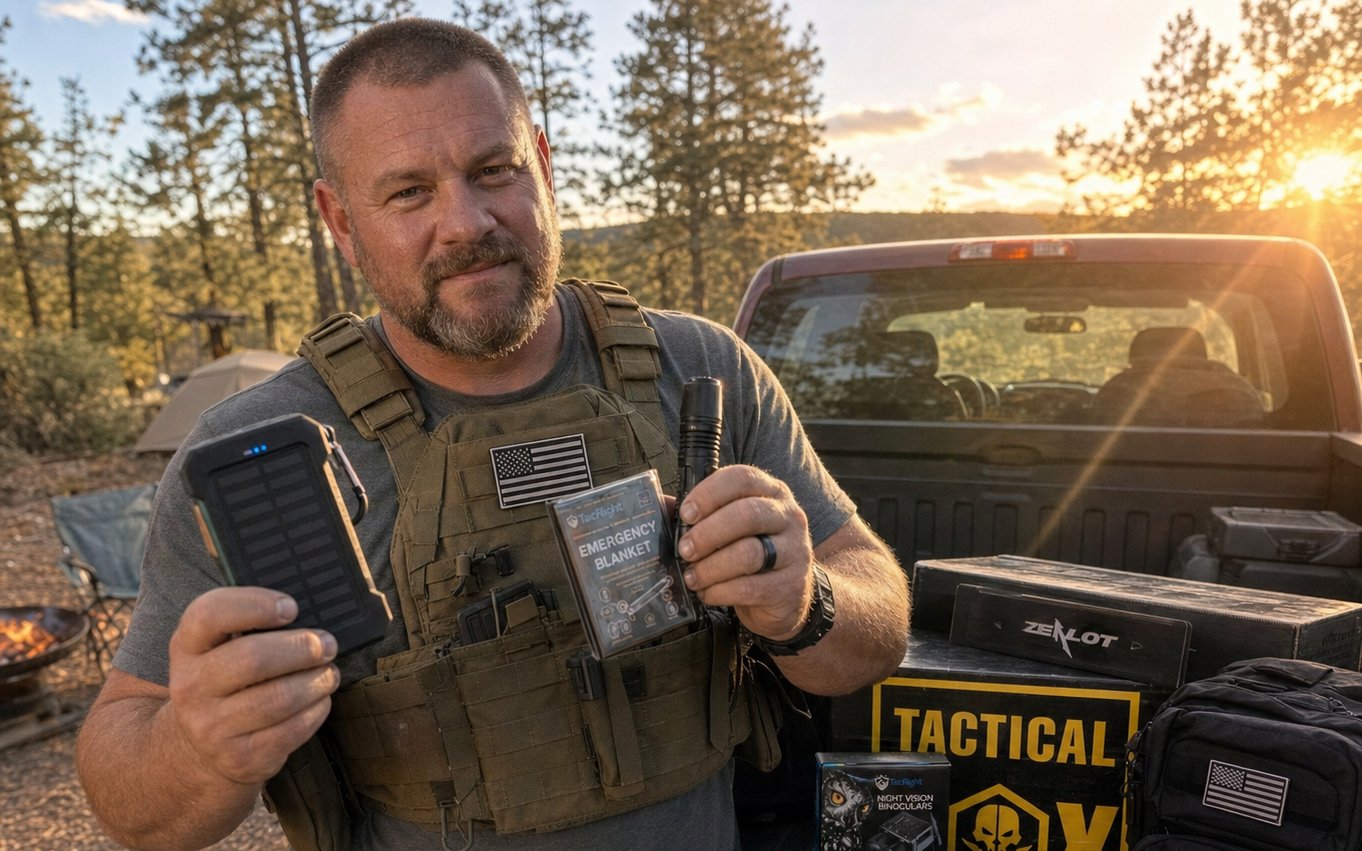
Every month, TacticalBox members get hand-picked tactical, survival, and outdoor gear, sourced ourselves from makers all over the country and curated to be some of the best equipment on the market, worth $150 or more per box on the Standard plan. It's an easy way to keep building out a real preparedness kit without hunting down every piece yourself. Backed by a money-back guarantee. Cancel, pause, or skip anytime.
Join TacticalBoxThis content is for informational purposes only. Follow your local emergency management and National Weather Service guidance. Flood insurance terms vary by policy, so confirm coverage and waiting periods with your insurer. Never drive or walk through floodwater, and evacuate when told to.