
Tornado Safety: Shelter Plans for Home and Vehicle
The CDC's safety guidelines for during a tornado says to take shelter immediately during a tornado warning, in the interior of a basement if you have one, or otherwise an interior, windowless room on the lowest floor, such as a hallway, bathroom or closet. In a vehicle, it says not to try to outrun a tornado: drive to the closest shelter, and if you cannot reach one, get down in the vehicle and cover your head, or leave it for a low-lying area. The National Weather Service says the same about vehicles and adds that sheds, storage buildings and tents are not safe. Decide where you will go before the sirens start.
A tornado warning leaves very little time to think. The people who do best are usually the ones who already know which room they are going to, what they are bringing, and how they will hear the warning at 3 a.m.
This guide follows the CDC's safety guidelines for during a tornado, the CDC's tornado preparation page, and the National Weather Service's pages on watches and warnings, what to do during a tornado and preparing in advance. Where we add advice of our own, we say so.
Watch Or Warning: What Each One Means
The two agencies draw the same basic line. The CDC's tornado preparation page says a tornado watch means a tornado is possible, so stay alert and be ready to shelter if conditions get worse. A tornado warning means a tornado has been sighted or indicated by weather radar, and the CDC's safety guidelines for during a tornado says to take shelter immediately. The National Weather Service's watch and warning page adds that watches come from the Storm Prediction Center for a large area, while warnings come from your local forecast office and cover a much smaller area, around the size of a city or small county.
CDC also lists signs that a tornado may be close, including a rotating funnel cloud, an approaching cloud of debris, a dark or green sky, a large dark low cloud, large hail and a loud roar like a freight train. It warns that tornadoes can form without warning, and the CDC's tornado preparation page says to take cover immediately if you see signs such as a funnel cloud, a cloud of debris or a loud roar.
How To Get The Alert
The CDC's tornado preparation page and the National Weather Service's preparation page both point to the same few channels. They are not ranked, so the order below is ours.
| 01 | A NOAA Weather Radio with a battery backup and tone alertThe CDC's tornado preparation page recommends buying one, and the National Weather Service's preparation page says to listen to local news or a NOAA Weather Radio for watches and warnings. |
| 02 | Wireless Emergency Alerts on your phoneThe CDC's tornado preparation page says these are sent through your mobile carrier and show the type of alert, the time, any action to take and the issuing agency. |
| 03 | Local radio, TV or the internetThe CDC's tornado preparation page lists these as ways to stay informed during severe weather. |
| 04 | Your community's outdoor sirensThe CDC's tornado preparation page says to learn your local warning system, including how to tell the siren signals for a watch and a warning apart. |
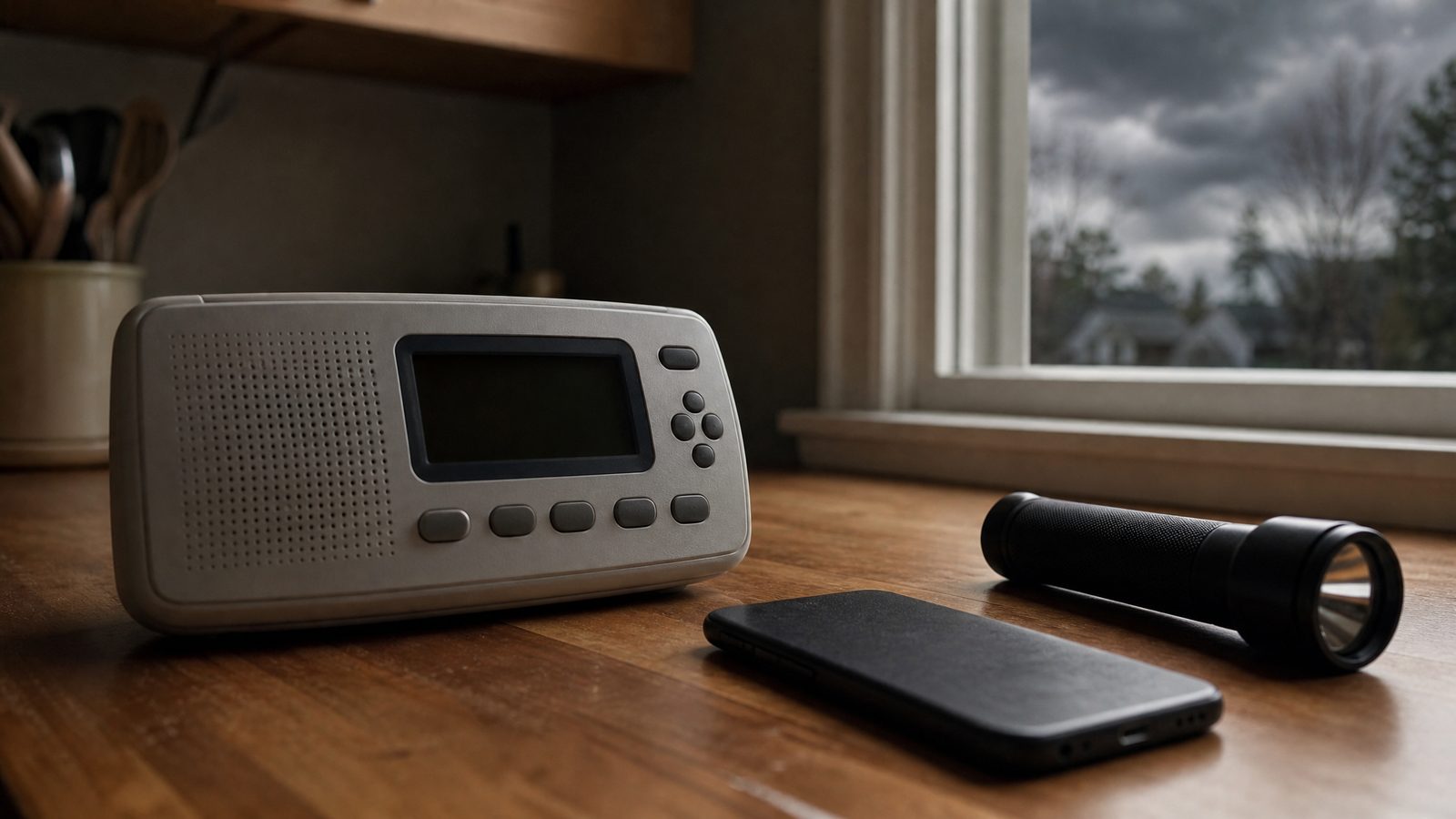
Our own advice, not the agencies': use at least two of these, and put one of them where you sleep. A radio on a battery backup and a phone alert fail in different ways, and sirens are built for people who are outdoors.
Where To Shelter In A House
The CDC's safety guidelines for during a tornado puts the safest place in the home as the interior part of a basement. If there is no basement, it says to use an interior, windowless room on the lowest floor, such as a hallway, bathroom or closet. The National Weather Service lists a basement, a safe room or an interior room away from windows, and says to bring pets if there is time.
| 01 | Go to the lowest level you canThe CDC's safety guidelines for during a tornado says the interior part of a basement is the safest place in the home. |
| 02 | No basement? Pick an interior, windowless room on the lowest floorThe CDC gives a hallway, bathroom or closet as examples. |
| 03 | Avoid rooms with heavy objects aboveThe CDC says to avoid rooms with heavy objects above. |
| 04 | Get under something sturdy and protect your headThe CDC says to get under something sturdy, cover your body and protect your head. |
| 05 | Stay away from windowsThe CDC warns that an exploding window can injure or kill. |
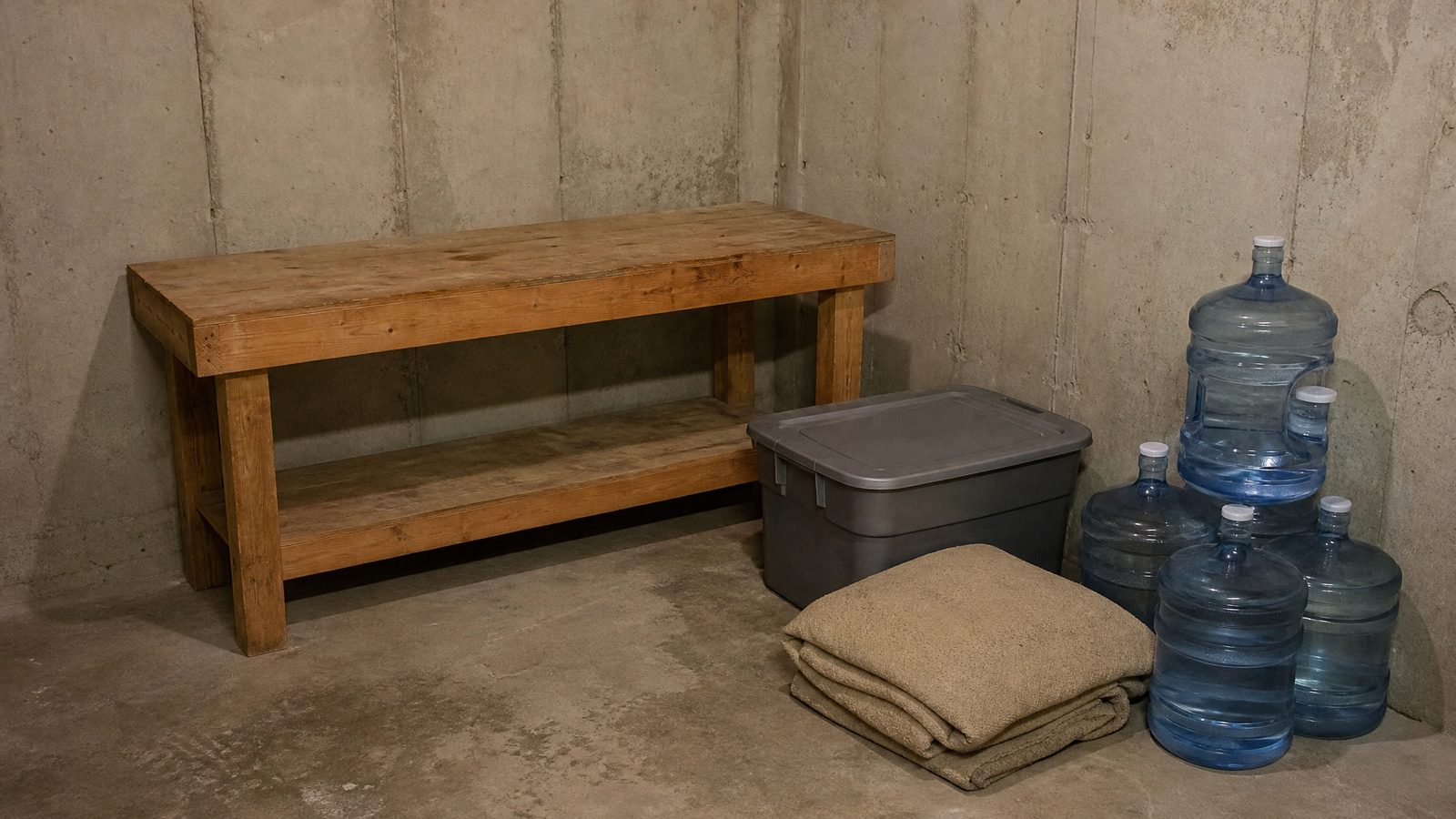
The National Weather Service's preparation page also says to pick your safe room in advance, and if you do not have a basement or live in a mobile home, to identify a nearby sturdy building you can reach quickly, such as a church or a family member's home. It recommends regular family drills so everyone knows what to do if a tornado is approaching.
Mobile Homes, Outdoors And Big Buildings
These are the cases where a house-style plan does not work. The pages are consistent on the main points.
| 01 | Mobile homesThe CDC says not to stay in a mobile home, even one with tie-downs. Go to a nearby building, preferably one with a basement. The National Weather Service lists mobile homes, sheds, storage buildings and tents as not safe. |
| 02 | OutdoorsThe National Weather Service says to get into a sturdy building right away if a tornado is approaching. If none is nearby, the CDC says to lie flat in a low-lying area and protect your head and neck, and to avoid areas with many trees. |
| 03 | Work or schoolBoth agencies say to follow your tornado drill, stay away from windows and avoid large open rooms such as cafeterias, gyms and auditoriums. |
| 04 | Malls, theaters and gymsThe CDC says long-span buildings such as malls, theaters and gyms are especially dangerous. It says to go to the lowest level and stay away from windows. |
What To Do In A Car
The National Weather Service says your best option in a vehicle is to drive to the nearest shelter. The CDC's safety guidelines for during a tornado says not to try to outrun a tornado.
| 01 | Drive to the closest shelterThe National Weather Service calls this your best option, and the CDC says not to try to outrun the tornado. |
| 02 | If you cannot reach shelter, get down in the vehicle and cover your headThe CDC says to lie down in the vehicle and cover your head and neck. |
| 03 | Or leave the vehicle for a low-lying areaBoth agencies name a low-lying spot such as a ditch or ravine as the other option when no shelter can be reached. |
| 04 | Avoid overpasses and bridgesThe CDC says to avoid them. |
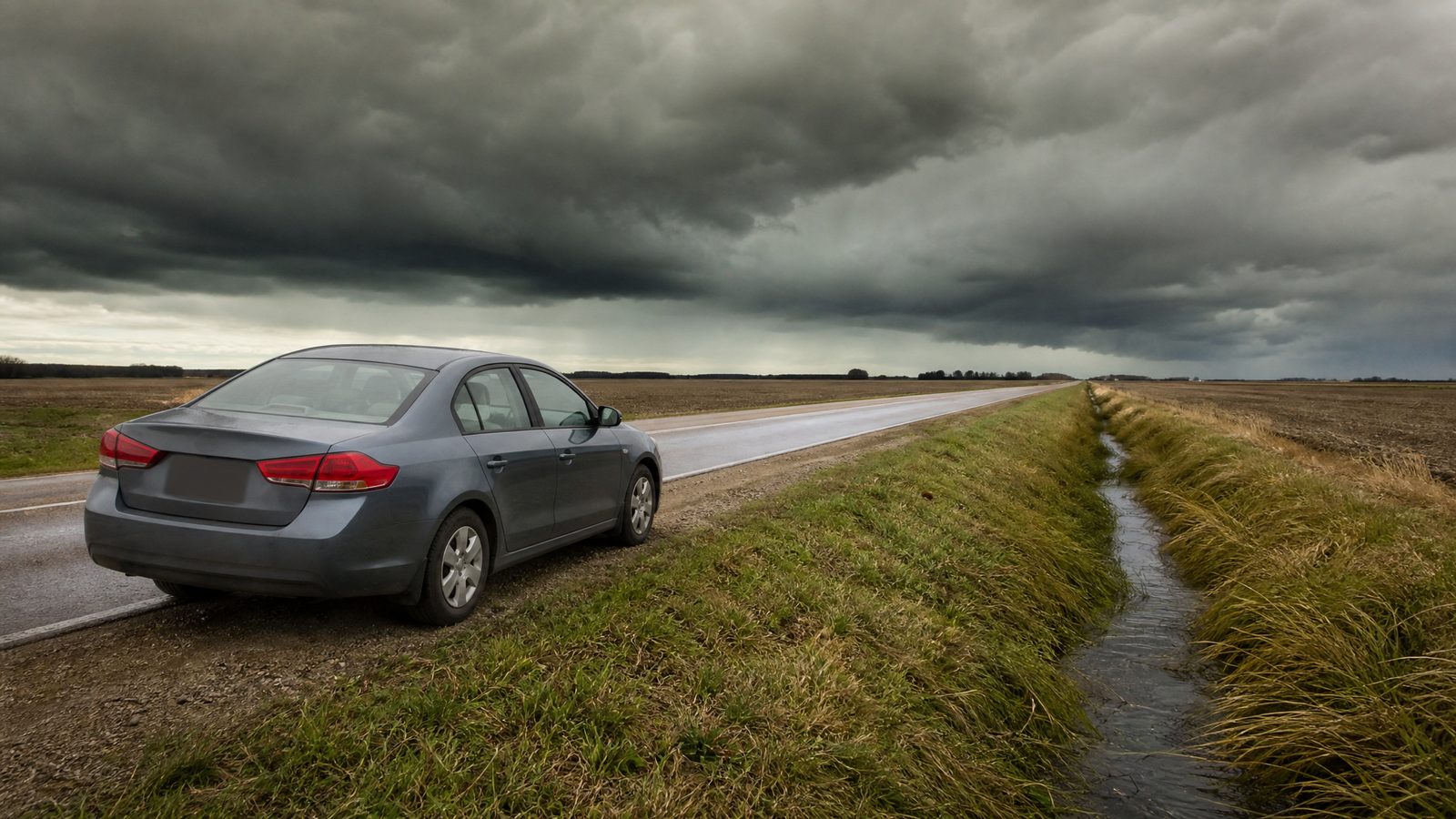
Our own advice, not the agencies': the time to think about this is before you are on a long stretch of open road, so when a watch is issued, check where the nearest sturdy building is along your route. Our guide to reading weather signs covers what a darkening sky can and cannot tell you.
The Kit And The Plan
The CDC's tornado preparation page says to stock supplies for at least 3 days, including a first-aid kit and emergency water and food, with kits for both home and vehicle. If you have pets, it lists a pet disaster kit with veterinary and registration records, a 2-week supply of food, water and medication, a leash and a carrier. It also says to identify a safe place in the home where household members and pets can gather, make sure everyone understands your area's tornado warning system, and practice the plan with drills.
On helmets, the CDC's safety guidelines for during a tornado is careful. It says the CDC's first recommendation is to find shelter or a tornado-safe room, that it has no research on whether helmets prevent head injuries in tornadoes, and that helmets are not a substitute for shelter. If you do keep one, it says to keep it readily accessible, because searching for one at the last moment could delay you reaching shelter.
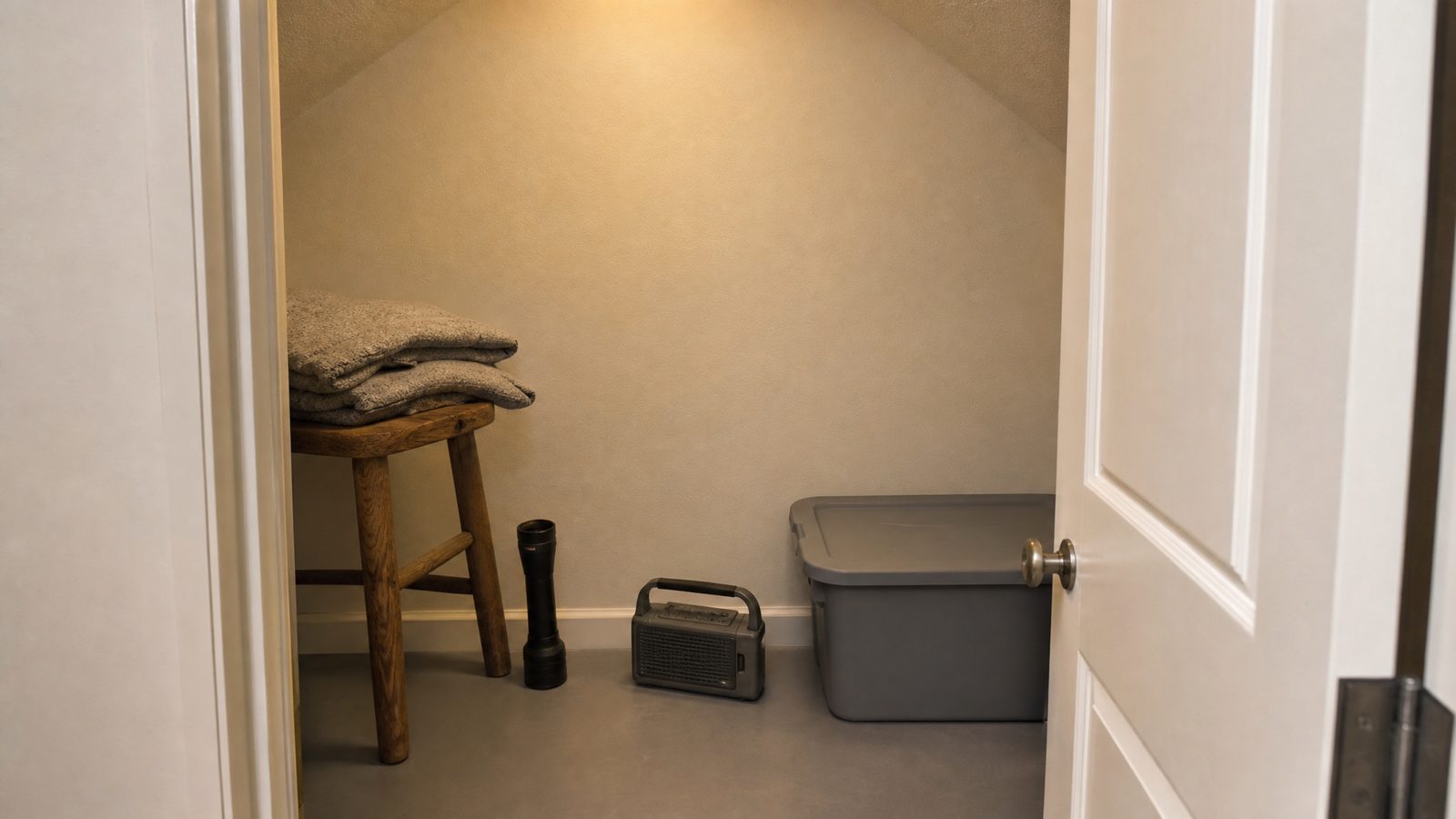
Our own suggestions, not the CDC's: keep a flashlight, a radio, sturdy shoes and a blanket in the shelter spot itself, so nothing needs to be gathered while a warning is active. Our guides to preparing for a power outage and emergency lighting cover the basics, our grid-down communication guide covers radios, and our pet preparedness guide covers the animals. Our friends at 1stHour cover what to do during a tornado warning and how to build a family emergency plan.
Get The Tornado Shelter Field Card As A PDF
One page: watch versus warning, where to shelter, what to do in a vehicle, and a prep checklist to tick off.
Download the Field Card (PDF)Build The Rest Of Your Kit While You're At It
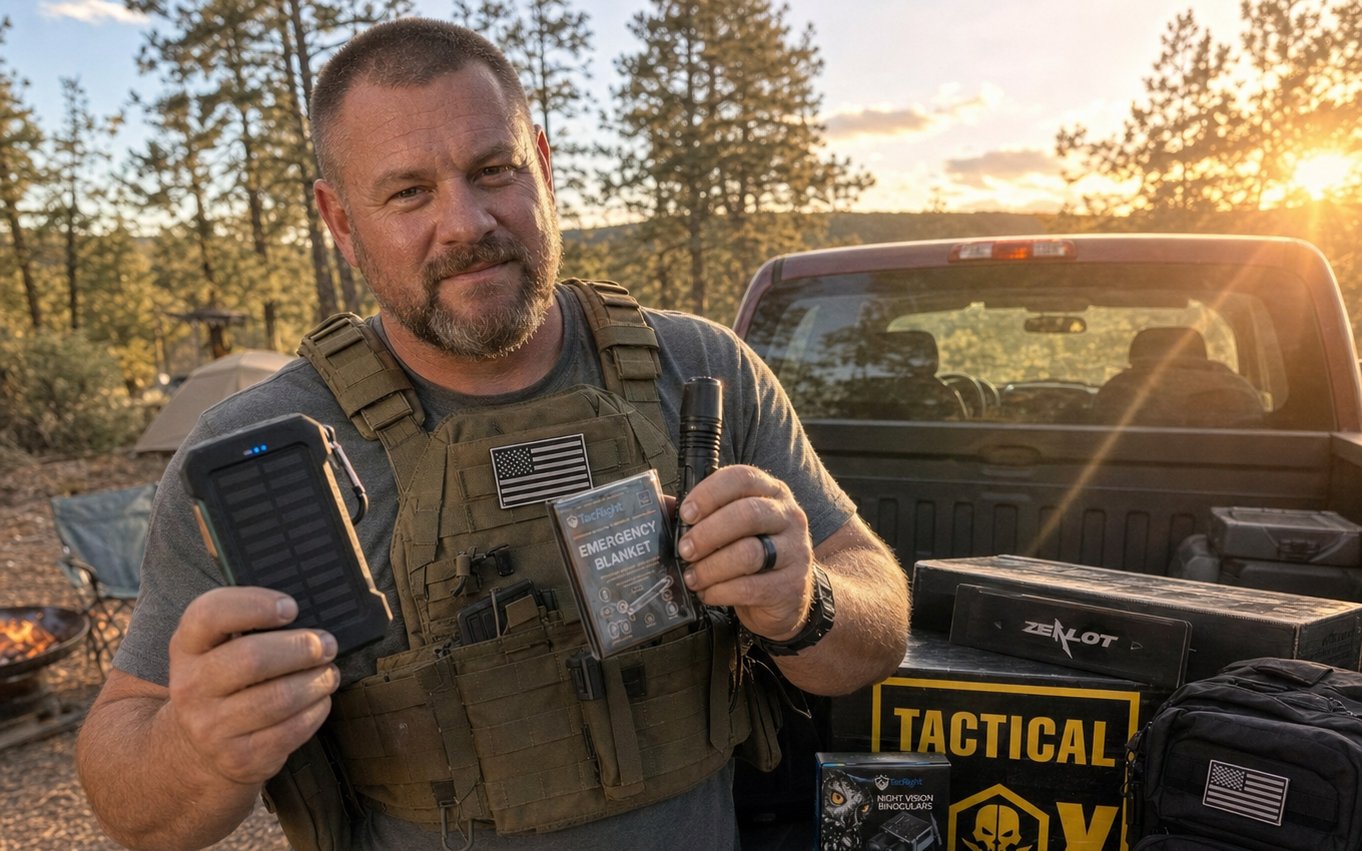
Every month, TacticalBox members get hand-picked tactical, survival, and outdoor gear, sourced ourselves from makers all over the country and curated to be some of the best equipment on the market, worth $150 or more per box on the Standard plan. It's an easy way to keep building out a real emergency kit without hunting down every piece yourself. Backed by a money-back guarantee. Cancel, pause, or skip anytime.
Start Your TacticalBoxThis content is for informational purposes only. Tornado conditions change quickly, so follow the instructions of your local National Weather Service office and emergency management officials, including any warnings, evacuation orders and shelter guidance for your area.