
How to Stay Warm at Home When the Power Goes Out in Winter
Shrink the space you are trying to heat, add layers and insulation to the people instead of the air, and keep every fuel-burning device outdoors. The CDC says never to use generators, grills, camp stoves or similar devices inside your home, in a basement or garage, or near windows, and calls turning on the stove for heat unsafe. The U.S. Fire Administration adds that you should never use an oven to heat your home and should keep anything that can burn at least 3 feet from any heat source. Install a battery-operated carbon monoxide detector before the cold arrives, and know the warning signs of hypothermia.
A winter outage is a slow problem. The lights going out is the easy part. The hard part is the second night, when the house has given up its stored warmth and the temptation to fix it with whatever is on hand starts to look reasonable.
That is the moment this guide is written for. The plan is simple: keep people warm with layers, keep the heat you have in one small space, and do not trade a cold house for a carbon monoxide or fire emergency.
Pick One Room And Make It Smaller
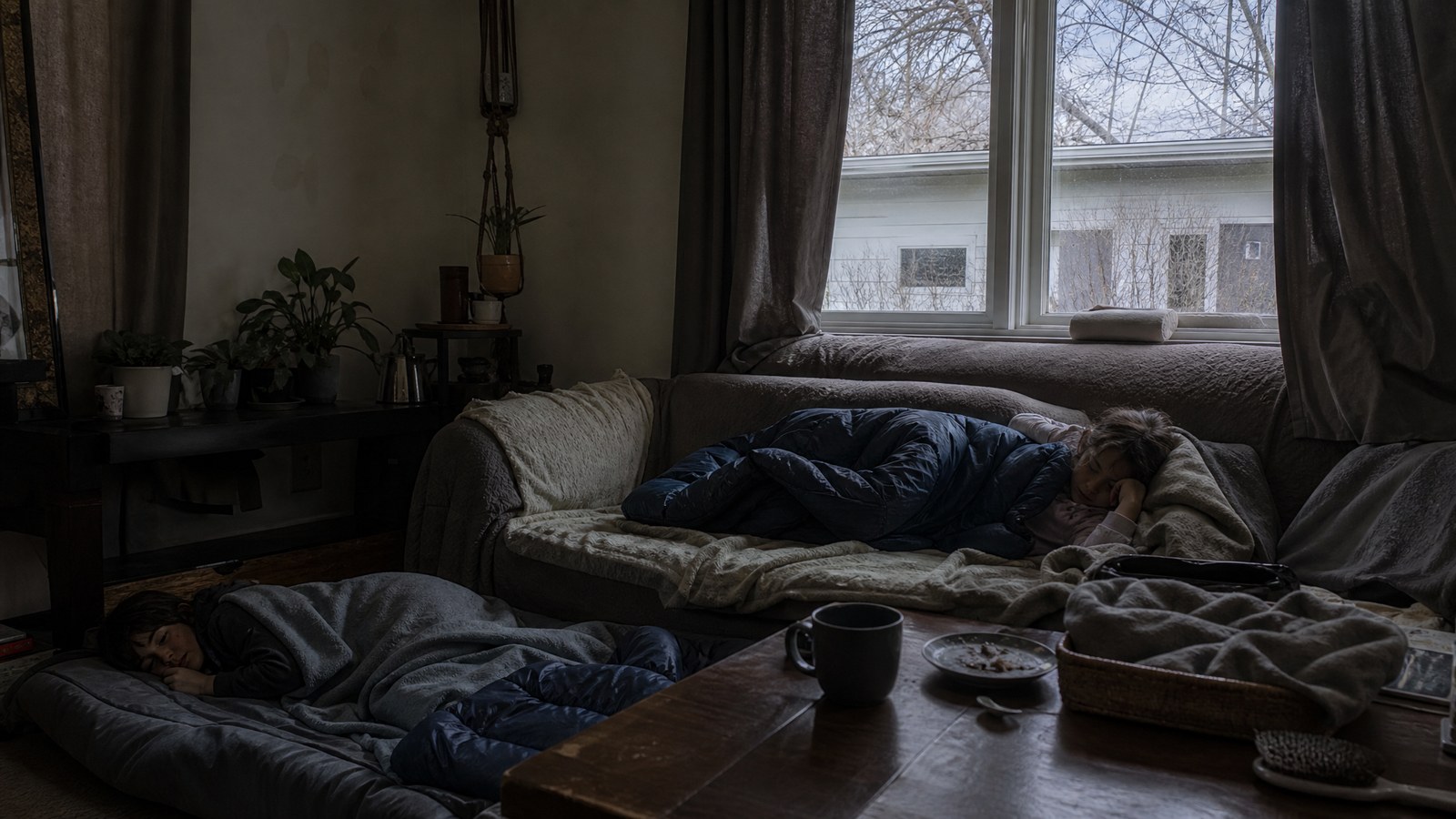
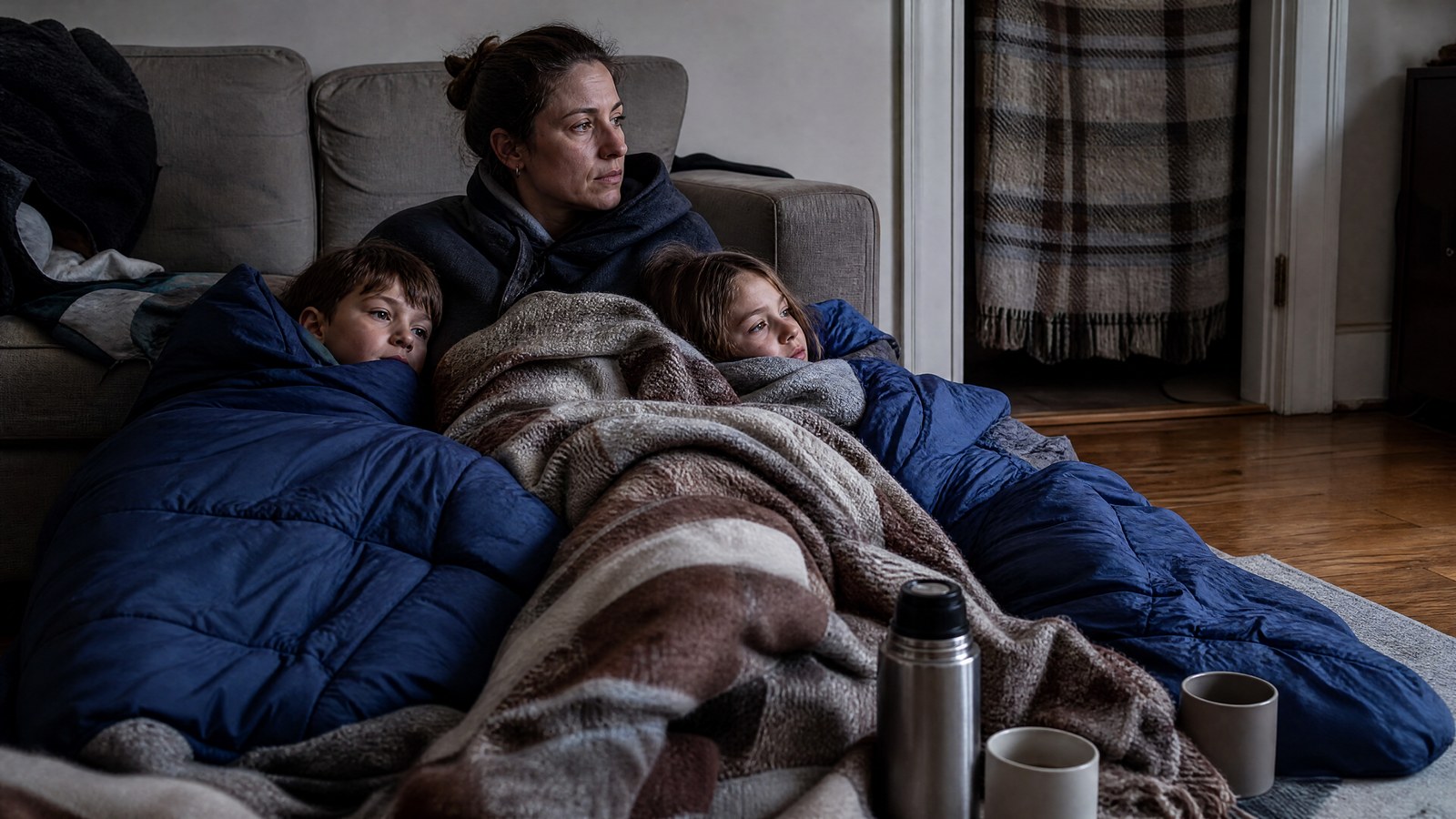
This part is practical advice from us rather than a cited rule, but it follows from how heat works. Body heat and whatever warmth is left in the house go further in a small room than in an open floor plan. Choose a room with few or small windows, ideally an interior one, and move everyone and everything you need into it.
| 01 | Choose a small interior roomFewer exterior walls and windows means less heat leaking out. |
| 02 | Close the door, and hang a blanket over any doorway that has no doorIt cuts the draft between the warm room and the rest of the house. |
| 03 | Block drafts at the windowsPull heavy curtains and lay a rolled towel along the bottom of a drafty window. |
| 04 | Bring the bedding to the roomMattresses, cushions, sleeping bags and blankets all go in. Sleeping off the floor helps, because cold air settles low. |
| 05 | Move the essentials in onceFlashlights, water, snacks, medication and phone chargers, so nobody makes cold trips across the house. |
If you have not built a lighting and power plan yet, our guides to emergency lighting and the home blackout kit pair well with this one, and the original power outage prep guide covers food and water.
Layers Do The Heavy Lifting
The CDC's winter storm safety guidance describes three clothing layers. It is written for dressing in the cold in general, and the same logic carries indoors when the furnace is off. The list of things it says to have on hand for an outage starts with extra blankets, sleeping bags and warm winter coats.
| 01 | Inner layerFabrics that hold body heat and do not absorb moisture. The CDC says wool, silk or polypropylene will hold more body heat than cotton. |
| 02 | Insulation layerIt helps you retain heat by trapping air close to your body. |
| 03 | Outer layerThe outermost layer protects from wind, rain and snow. Indoors, a coat or a sleeping bag does the same job of holding the warmth in. |
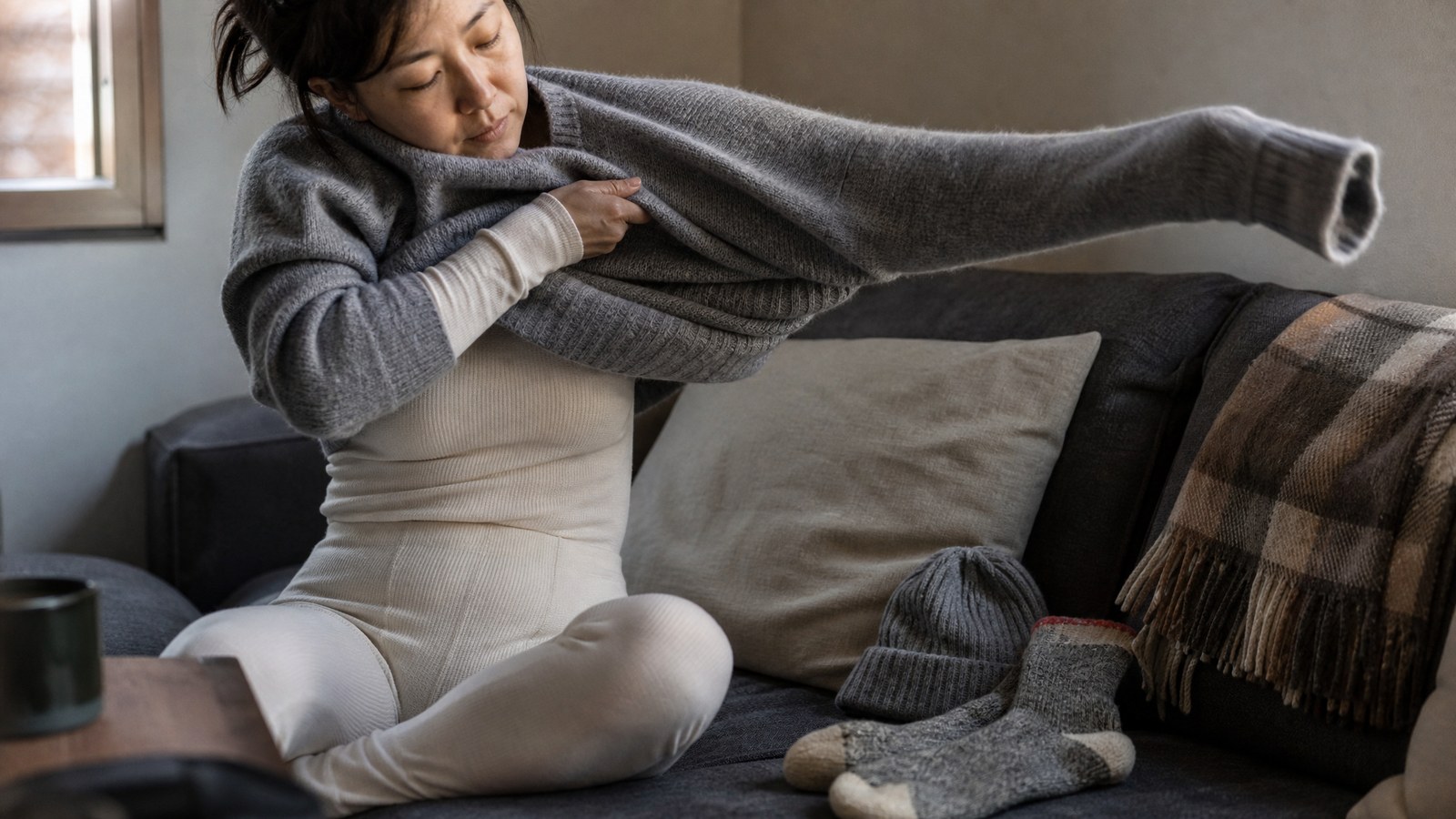
Practical additions: dress before you get cold rather than after, and change out of anything damp. The CDC's hypothermia guidance lists a hat, mittens or gloves and several layers of loose-fitting clothing among the basics for the cold. Our guide to layering clothing for cold-weather survival goes deeper on fabrics and fit.
What Is Safe, And What Is Not
The three sources below come from the CDC and the U.S. Fire Administration. They are listed separately because they say separate things.
| 01 | The stoveThe CDC's winter storm page says it plainly: turning on the stove for heat is not safe. |
| 02 | The ovenThe U.S. Fire Administration's heating fire safety page says never to use an oven to heat your home. |
| 03 | Generators, grills and camp stovesThe CDC says never to use generators, gas or charcoal grills, camp stoves or similar devices inside your home, in basements, in garages, or near windows. The fumes are deadly. |
| 04 | A fireplaceThe CDC's list of heat sources for an outage includes a fireplace that is up to code with plenty of dry firewood, or a gas log fireplace. |
| 05 | Portable heaters and everything near themThe Fire Administration says to keep anything that can burn at least 3 feet from all heat sources, including fireplaces, wood stoves, radiators, space heaters and candles, and to turn space heaters off when you leave the room or go to bed. |
The portable heater point deserves its numbers. In the Fire Administration's data, portable heaters were only 3% of home heating fires each year from 2017 to 2019, but they accounted for 41% of the fatal ones. Heating was the second leading cause of home fires, with 32,200 reported to fire departments in 2021, causing 190 deaths and 625 injuries. A heater in a winter outage, plugged into a generator and surrounded by bedding, is exactly where that risk gets worse.
The Quiet Danger: Carbon Monoxide
The CDC's carbon monoxide basics page lists gas and oil burning furnaces, portable generators and charcoal grills among the sources, along with gas stoves, ranges and ovens, car and truck exhaust, and fireplaces and lanterns. It says more than 400 Americans die each year from unintentional CO poisoning not linked to fires, more than 100,000 visit an emergency department, and more than 14,000 are hospitalized. The most common symptoms are headache, dizziness, weakness, upset stomach, vomiting, chest pain and confusion.
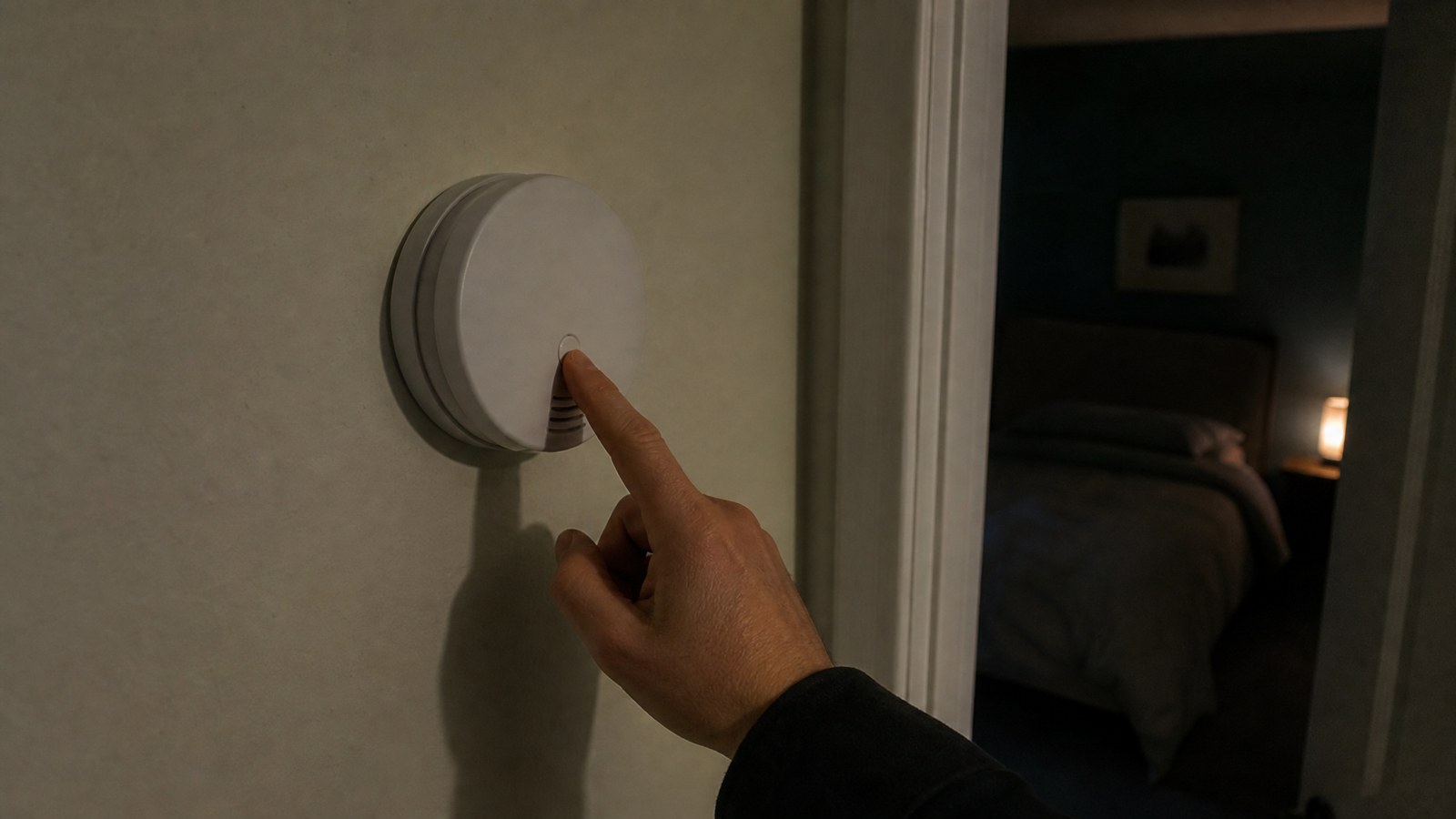
Two Rules To Settle Before The OutageFirst, install a battery-operated CO detector in your home, which is the CDC's advice. Second, if you do run a generator, the CDC says to keep it outside, at least 20 feet away from doors, windows and vents. If an alarm sounds or anyone has the symptoms above, get everyone outside into fresh air and call 911.
Note that the CDC also says CO cannot be seen, smelled or heard. A feeling that the room is fine is not a test. For the equipment side, see the CDC's carbon monoxide prevention page and its generator and heating safety page.
Hypothermia Warning Signs
From the CDC's hypothermia guidance: in adults, watch for shivering, exhaustion or feeling very tired, confusion, fumbling hands, memory loss, slurred speech and drowsiness. In infants, the signs are bright red, cold skin and very low energy. If you suspect hypothermia, get the person into a warm room or shelter, remove any wet clothing, and warm the center of the body (chest, neck, head and groin) with blankets or skin-to-skin contact. If the person's temperature is below 95°F, seek medical attention as soon as possible.
Check on the people who may not notice or be able to say: infants, older relatives and anyone who lives alone. For a field-treatment walkthrough, 1st Hour's guide to hypothermia first aid covers what to do before help arrives, and if you are traveling in the cold, our winter car emergency kit guide covers the vehicle side.
Get The Warm Room Field Card As A PDF
One page: the room setup checklist, the layering formula, the safe-versus-unsafe heat list, and the warning signs to tape inside a cabinet door.
Download the Field Card (PDF)Build The Rest Of Your Kit While You're At It
Every month, TacticalBox members get hand-picked tactical, survival, and outdoor gear, sourced ourselves from makers all over the country and curated to be some of the best equipment on the market, worth $150 or more per box on the Standard plan. It's an easy way to keep building out a real emergency kit without hunting down every piece yourself. Backed by a money-back guarantee. Cancel, pause, or skip anytime.
Start Your TacticalBoxThis content is for informational purposes only and is not a substitute for medical advice, training from your local fire department, or the instructions for your heating equipment. Never use fuel-burning devices indoors without proper ventilation and a working carbon monoxide detector. If you suspect carbon monoxide poisoning, hypothermia or a fire, get to safety and call 911.