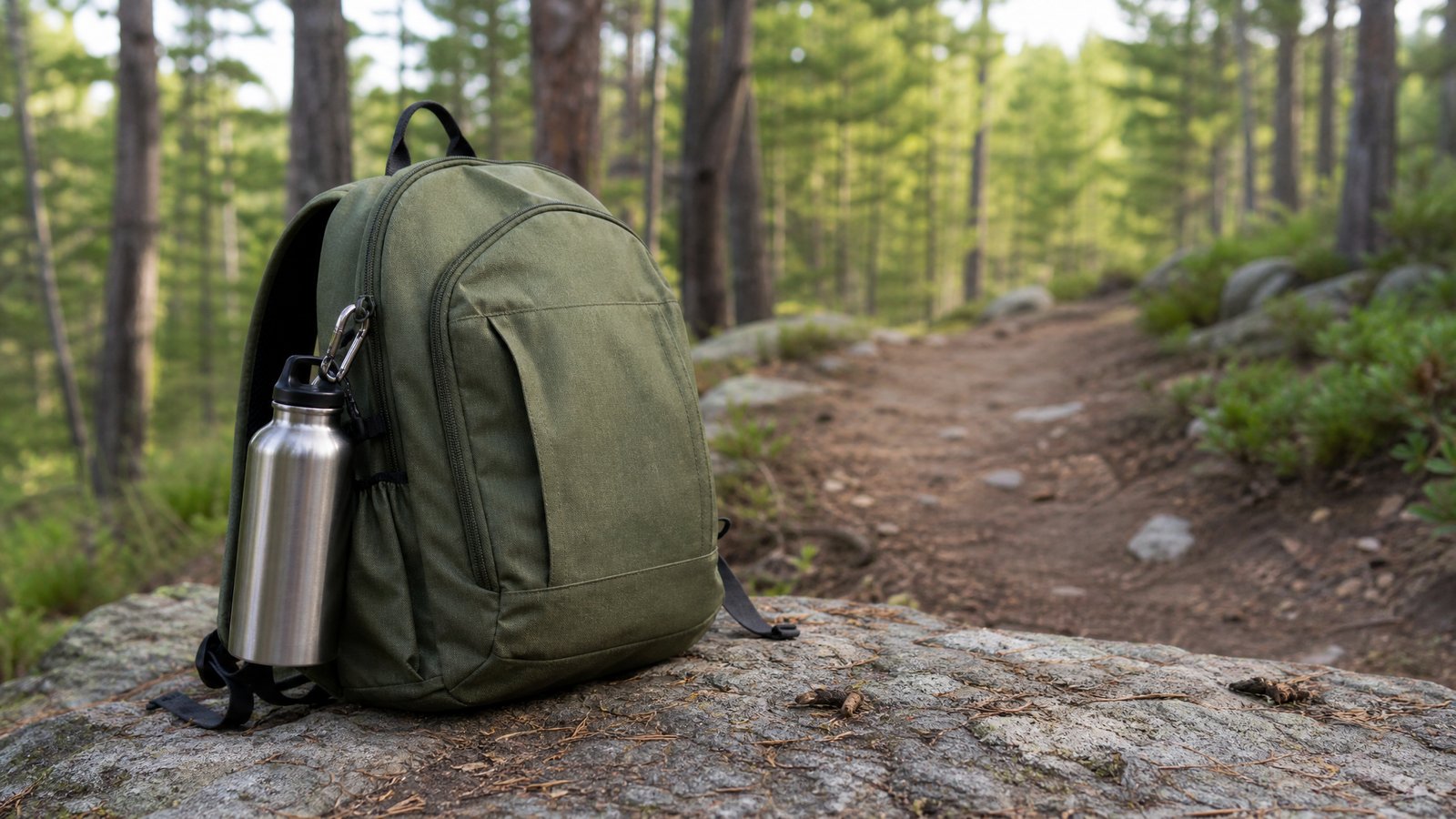
Ten Essentials for Day Hikes
The National Park Service's Ten Essentials page organizes the essentials into ten categories, or systems: navigation, sun protection, extra clothing, illumination, first-aid supplies, fire, a repair kit and tools, nutrition, hydration, and emergency shelter. The National Park Service's hiking safety page calls them the minimum items everyone should have with them while recreating outdoors, and says to tell a trusted person who is not on the trip where you are going and when you plan to return.
Most day hikes end exactly as planned. The list exists for the ones that do not: a turned ankle, a storm that rolls in early, a trail that takes longer than the map suggested.
The National Park Service says the ten categories help you or others in the event of minor injuries, sudden weather changes, or unexpected emergencies. This guide follows that page and the hiking safety page. Where we add a suggestion of our own, we say so.
Find Your Way, Stay Comfortable
The National Park Service page does not number the ten categories, so the numbers below only help you count them. These first four are about knowing where you are, protecting yourself from the sun and weather, and being able to see and be seen.
| 01 | NavigationA map, compass or GPS system, used for route planning and for orienting yourself. The page says to know how to use a topographical map, compass or GPS unit before going out, to bring a physical map as a backup, and to pack an extra phone battery. |
| 02 | Sun protectionSunglasses, sunscreen and a hat, to protect against the UV rays that cause sunburn and skin cancer. The page adds that sun-protective clothing, such as long pants and long-sleeve shirts, can also help. |
| 03 | Extra clothingA jacket, hat, gloves, rain shell and other layers. The page says to pack an extra layer for the most extreme conditions you could face, and that bright clothing makes you easier to see if Search and Rescue needs to look for you. |
| 04 | IlluminationA flashlight or headlamp, to find your way out or signal for help at night. The page recommends a headlamp because it is hands-free, and says to pack extra batteries. |
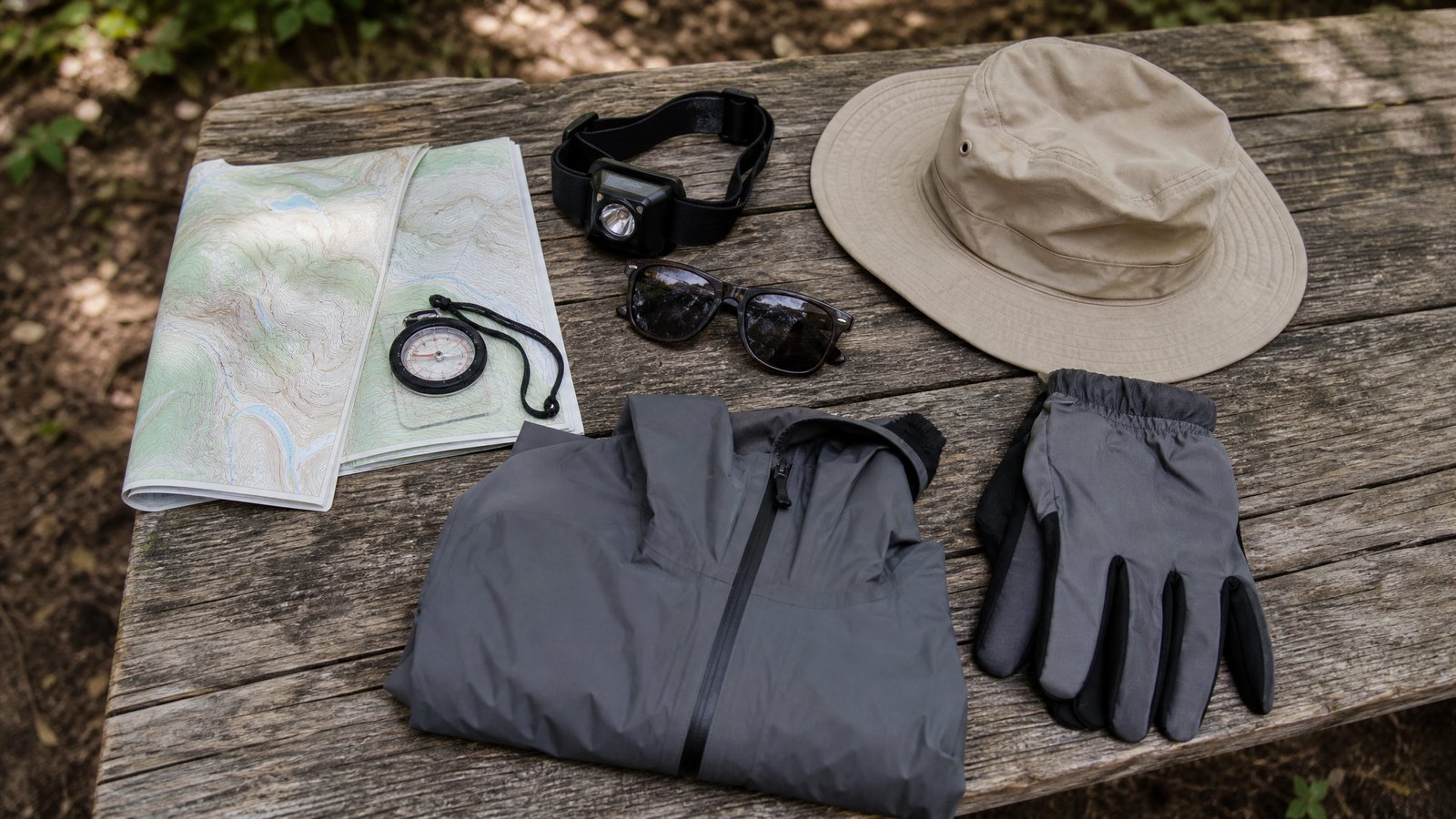
Our own suggestion, not the National Park Service's: a day hike can run past dark even when you plan to be back by lunch, so check that the headlamp works and the batteries are fresh before you leave the house, not at the trailhead. Our guide to basic land navigation without GPS covers the map and compass side in more detail.
First Aid, Fire And Repairs
The next three cover the small problems that can turn a short hike into a long one.
| 05 | First-aid suppliesThe page says to start with a pre-made kit and modify it for your trip and medical needs, check expiration dates, include personal medications, and consider an emergency guide for medical emergencies you are unfamiliar with. |
| 06 | FireMatches or a lighter and fire starters, as an emergency signal and heat source. The page says matches should preferably be waterproof, and to learn your park's local fire-use regulations. |
| 07 | Repair kit and toolsDuct tape, a knife and scissors. The page says a multi-tool can include a screwdriver and can opener, and that a trowel and toilet paper may also be important, along with any tools specific to your trip. |
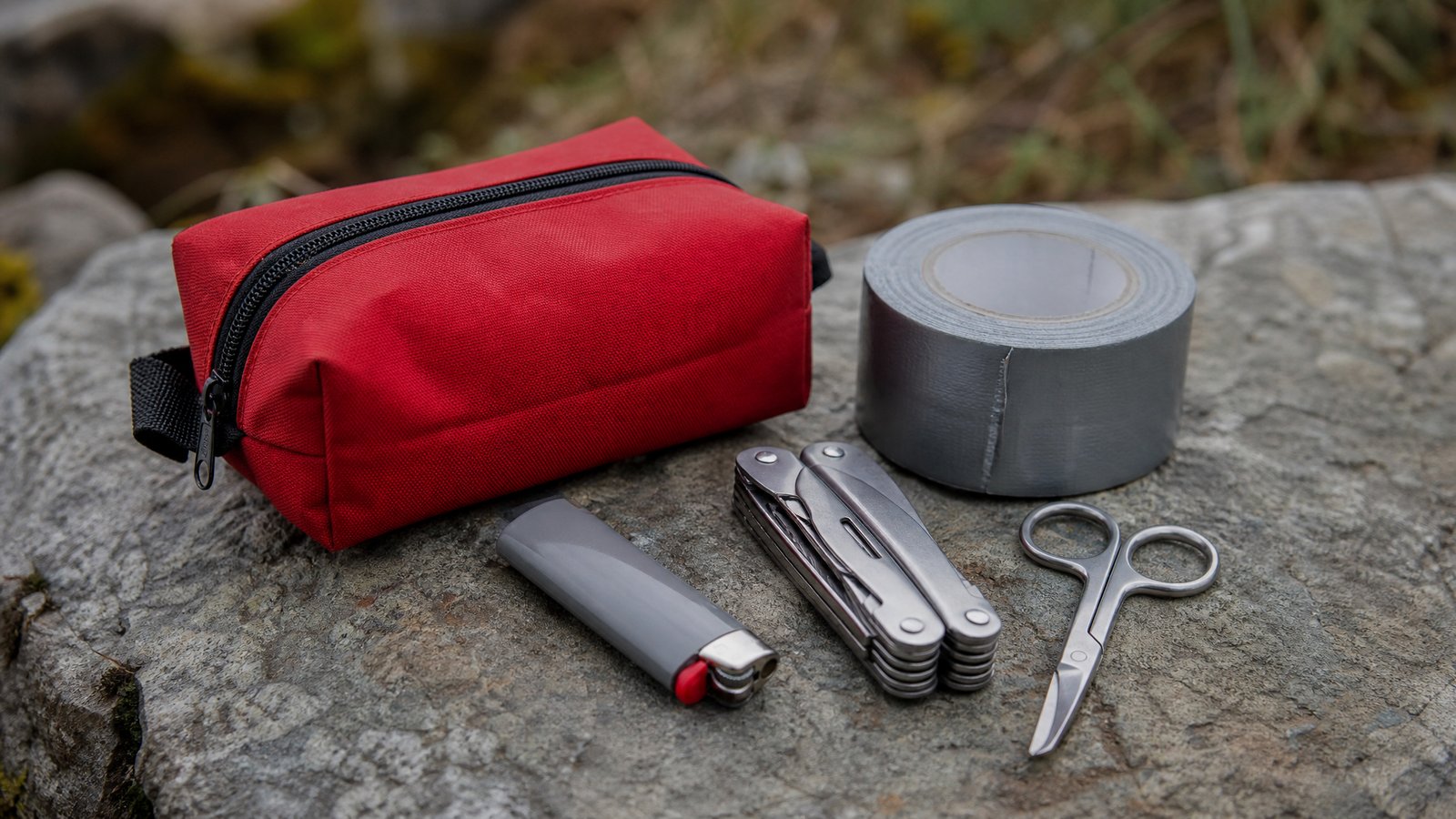
Our own suggestion, not the National Park Service's: open the first aid kit once at home and look at what is actually in it. The page's point about checking expiration dates and adding personal medications is easy to skip when the kit arrives sealed. Our guide to starting a fire in wet conditions goes deeper on the fire category, and our friends at 1stHour have a step-by-step plan for hikers who get lost.
Food, Water And A Place To Wait
The last three are what keep you going, and what keep you safe if you end up waiting for help.
| 08 | NutritionAn extra day's supply of food, preferably no-cook, nutritious, easy-to-digest snacks such as trail mix, nuts and granola bars. |
| 09 | HydrationThe page calls water of utmost importance, and says to drink often and before you feel thirsty, especially in hot weather. It also says to identify water sources at your destination ahead of time and to treat them with your supplies. |
| 10 | Emergency shelterA tent, space blanket, tarp or bivy, to protect you from severe weather and exposure. The page lists lightweight options, including a tent, tarp, bivy sack or emergency space blanket. |
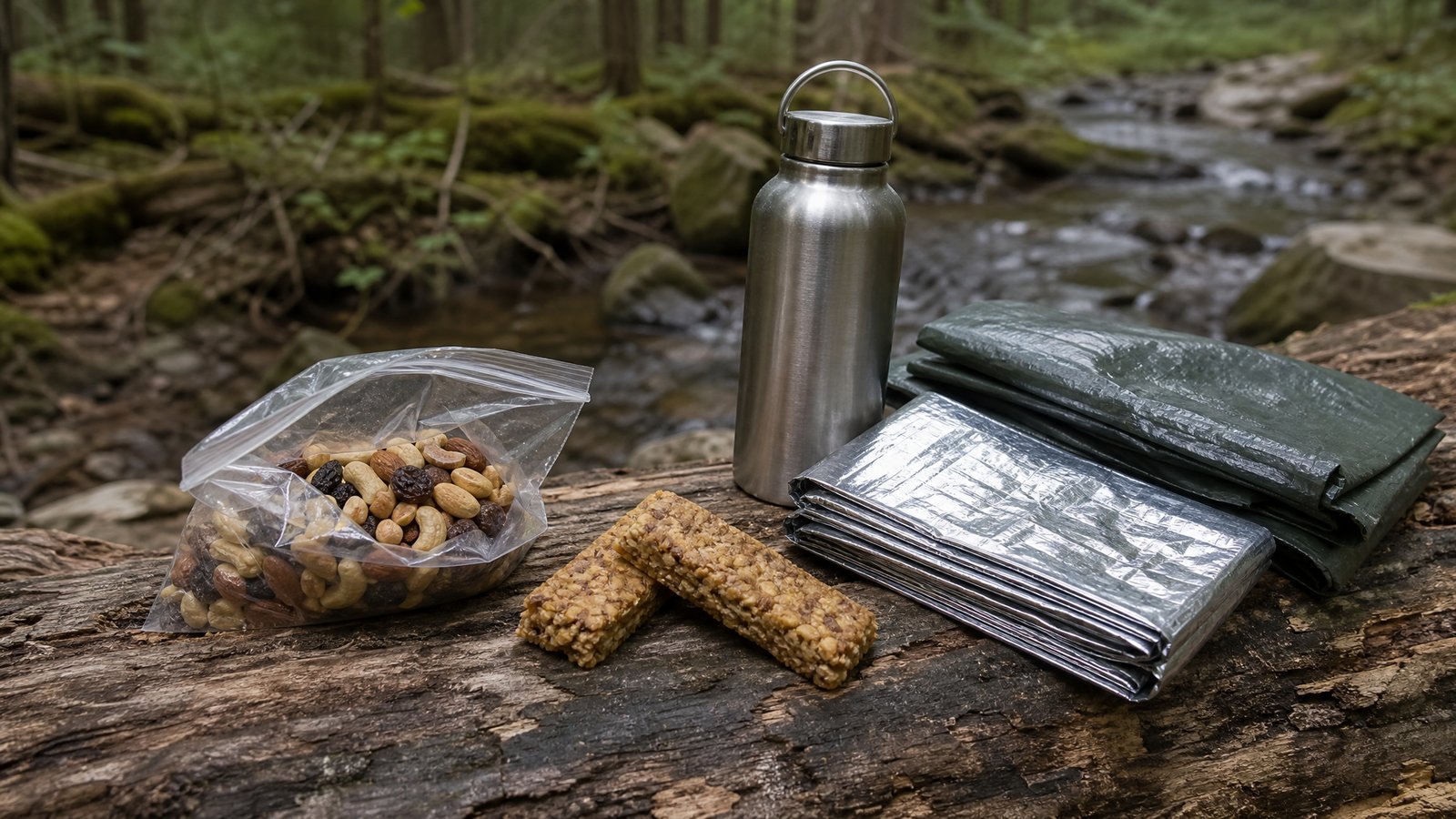
On water treatment, the Olympic National Park's day hiking page says not to drink water directly from streams, and recommends boiling it or using a filter or other treatment that kills or filters giardia and cryptosporidium. Our guide to purifying water in the backcountry covers the methods.
What The Hiking Safety Page Adds
The National Park Service's hiking safety page covers habits that no gear list can replace.
| 01 | Leave a trip planComplete a trip plan that details where you will be walking or hiking, your contact information, when you plan to arrive and return, and who is coming with you. Leave it with a trusted friend or family member who is not going on the trip. |
| 02 | Watch the clockThe page says to be aware of the time you set out and turn around so you do not get stuck outside in the dark, and to set a turnaround time if your trip is taking longer than planned and stick to it. |
| 03 | Do not rely on your phoneThe page says not to rely on your cell phone because there may not be coverage in your park, and to consider a personal locator beacon should you need to call for help. |
| 04 | Hike with a companion, at the slowest paceThe page says it is safer to hike with a companion, and to let the slowest hiker set the pace. Its simple test: if you can talk while you are walking, you are traveling at the perfect speed. |
| 05 | Wear the right shoes and bring sparesSturdy, rubber-soled hiking boots with ankle support for dirt and gravel trails, and tennis shoes for paved pathways. The page says heels, open-toed shoes and flip-flops are not ideal for hiking, and to bring an extra pair of socks and an extra day's supply of food. |
| 06 | Check the weather, and be willing to skip itThe page says to check the weather before you head out, and that if conditions in the park are not ideal, do not take the chance. |
Our own suggestion, not the National Park Service's: pack the bag the night before, with the ten categories written on a card you can tick off. It is much easier to notice a missing item at the kitchen table than a mile up the trail.
Get The Day Hike Field Card As A PDF
One page: the ten categories with a box to tick for each, plus the before-you-go habits from the hiking safety page.
Download the Field Card (PDF)Fill In The Rest Of Your Kit
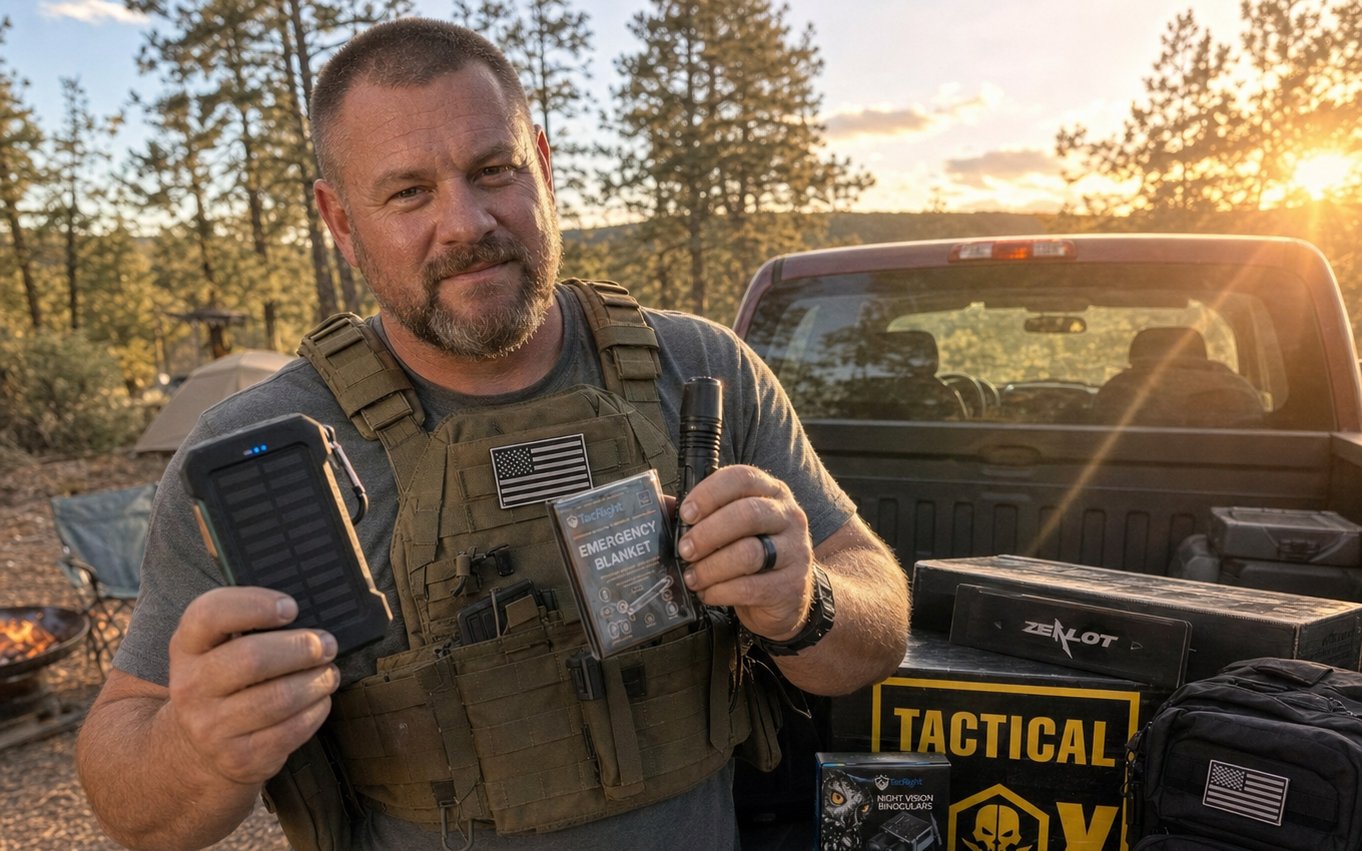
Every month, TacticalBox members get hand-picked tactical, survival, and outdoor gear, sourced ourselves from makers all over the country and curated to be some of the best equipment on the market, worth $150 or more per box on the Standard plan. It's an easy way to keep building out a real trail kit without hunting down every piece yourself. Backed by a money-back guarantee. Cancel, pause, or skip anytime. Use code 25OFF for 25% off your first box.
Get 25% Off Your TacticalBoxThis content is for informational purposes only. Trail conditions, weather and park rules vary by location, so check with the land manager for the area you are visiting, follow posted regulations, and make your own judgment about whether a hike is within your group's abilities.