Emergency Heat Without Power: Wood Stoves, Fireplaces and Chimney Safety
Have the chimney inspected and cleaned by a professional every year, as the U.S. Fire Administration recommends, and do it before the cold season, not during an outage. Burn only dry, seasoned wood, keep the stove doors closed except when loading, and keep anything that can burn at least 3 feet away. Put ashes in a lidded metal can outside. Have working smoke and CO alarms. If you hear a loud roar or see hot spots on the chimney, Portland Fire & Rescue says to shut off the fire's air supply, get everyone out and call 911.
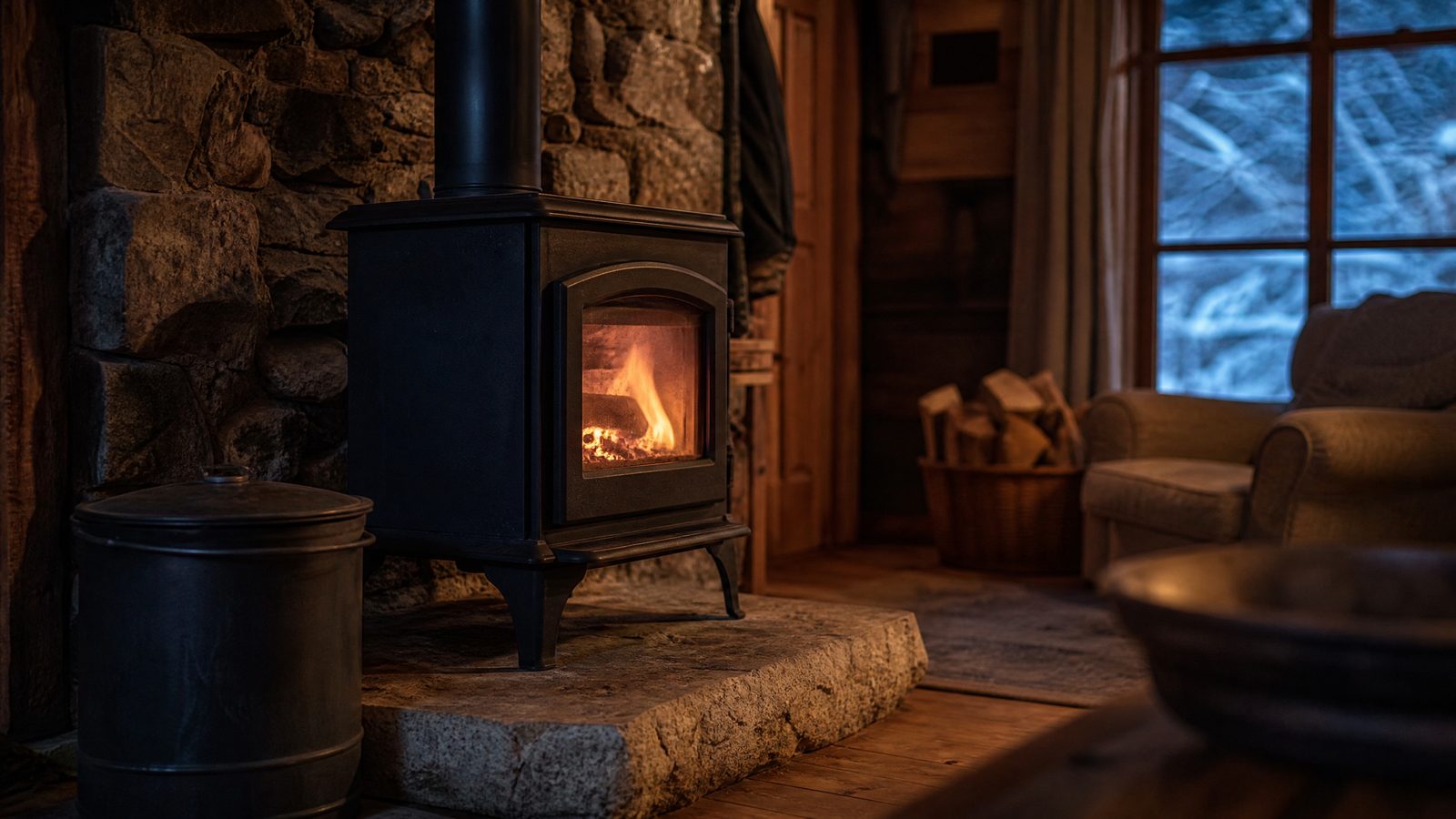
When the power goes out in January, a wood stove or fireplace stops being decoration and starts being the plan. That is exactly when it gets pushed hardest: bigger loads, longer burns, more wood brought inside, and whatever is lying around tossed in to keep it going. The chimney you meant to get swept last fall is now carrying smoke around the clock.
Heating fires are not rare. The U.S. Fire Administration says heating was still the second leading cause of home fires in 2021, with an estimated 32,200 home heating fires, 190 deaths and 625 injuries. Portland Fire & Rescue, citing NFPA figures for 2014 to 2018, says the leading factor in home heating fires (25%) was failure to clean, "principally from solid-fueled heating equipment, primarily chimneys."
Two facts from the EPA's wood-burning FAQ are worth knowing before you count on either appliance in an outage. First, an open fireplace is a weak heater: the EPA says "most of the heat from a fireplace goes out the chimney," and that most fireplace owners do not use one as a primary heat source. Second, a pellet stove may not help at all, because "most pellet stoves need electricity to operate." Check your own unit's manual for a battery or backup option before you assume it will run.
This guide covers using and maintaining a wood stove or fireplace safely. Storing the firewood itself is in our guide to storing emergency heating fuel, portable heaters are in space heater safety, and keeping warm without any heat source is in staying warm when the power goes out.
Here is what we drew on: the U.S. Fire Administration's heating fire page and its fireplace and wood stove safety card, three EPA Burn Wise pages (best wood-burning practices, installation and maintenance, and the wood-burning FAQ), Portland Fire & Rescue's chimney and wood stove safety page, a September 2025 fireplace safety release from the Washington State Patrol's State Fire Marshal's Office, the Chimney Safety Institute of America's page on preventing chimney fires, and the American Red Cross winter storm page. The EPA notes its Burn Wise program ran from 2009 to 2025 and those pages are now kept as a historic record. Where we add our own thinking, we label it as our judgment.
Before the Outage: Get the Chimney Checked
The instruction that comes up most often in the sources we used is to have it inspected and cleaned by a professional. The U.S. Fire Administration says to have heating equipment and chimneys "cleaned and inspected each year by a professional."
| 01 | Book the inspection before the seasonPortland Fire & Rescue says to have your chimney inspected by a professional "prior to the start of every heating season and cleaned if necessary." The EPA says the inspection includes looking for chimney cracks, which can let smoke into the home or expose chimney parts to high temperatures that may cause a fire. |
| 02 | Know what creosote isThe EPA describes creosote as a "highly combustible black or brown residue" that forms when smoke condenses on the inside of the chimney. If enough builds up, it could cause a chimney fire. |
| 03 | Know what builds it up fasterThe EPA lists four conditions: a restricted air supply (doors closed, damper not open wide enough), burning unseasoned wood, a chimney that is cooler than normal because it is very cold outside, and overloading a wood stove's firebox to get a longer burn. Our note: an outage in a cold snap can stack all four at once. |
| 04 | Hire someone credentialedThe EPA points to the Chimney Safety Institute of America (CSIA) for finding a certified chimney sweep and to the National Fireplace Institute (NFI) for certified hearth technicians. It also says installation errors by a non-professional may not be visible and may only show up "by a resulting home fire." |
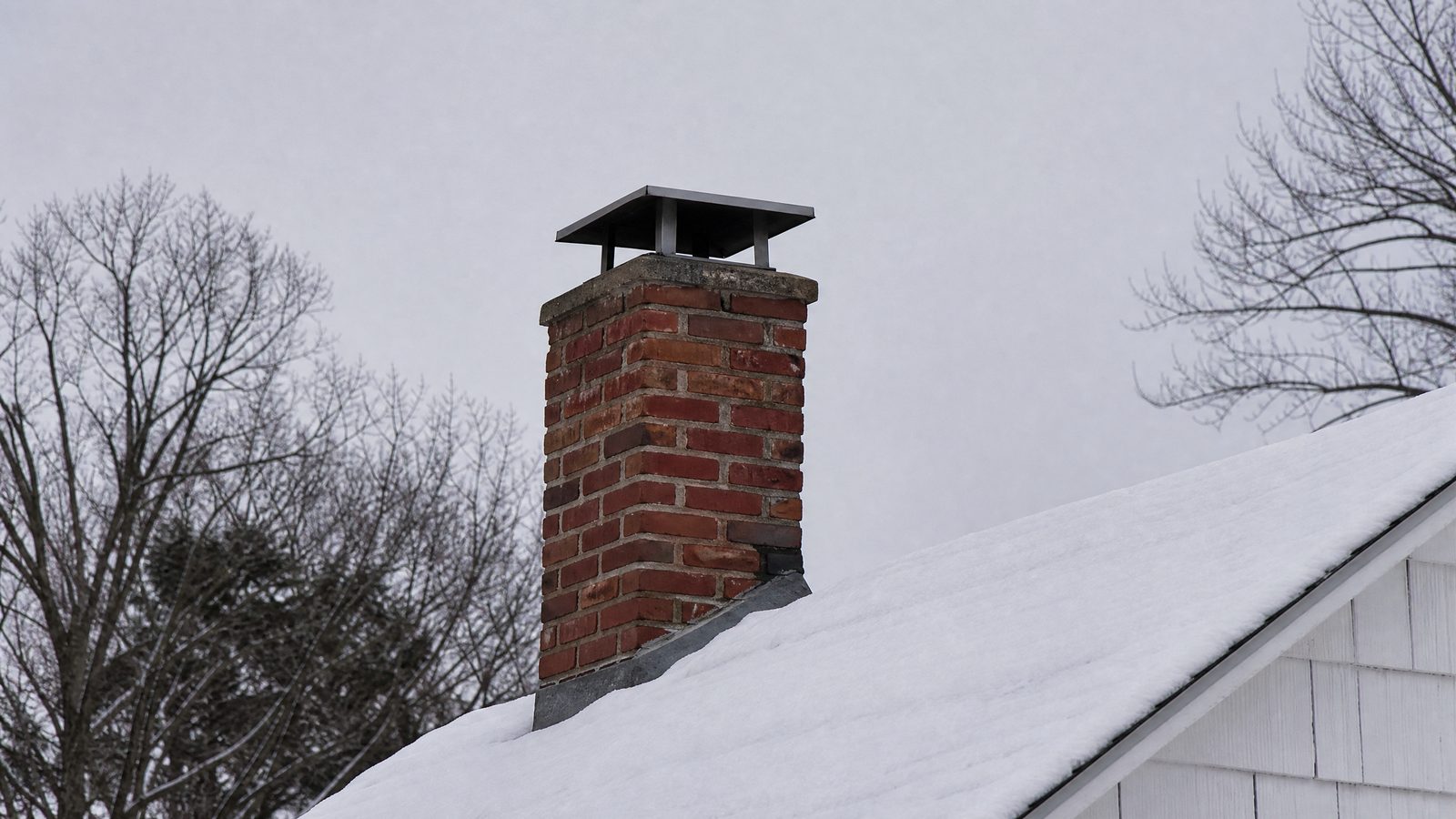
| 05 | Ask about a capThe Washington State Fire Marshal suggests a chimney cap to prevent obstructions and reduce downdrafts that can push smoke into the home. |
| 06 | Check for help paying for itThe EPA says that if you qualify for heating assistance, you may also qualify to have your wood heater and chimney cleaned, repaired or replaced through your local heating assistance office. |
Our judgment: if you heat with wood even occasionally, put the inspection on the calendar for early fall, the same way you would a furnace service. You do not want your first look at the flue to be during a week without power.
Running a Stove or Fireplace During an Outage
Most of this comes from the EPA’s best wood-burning practices and the U.S. Fire Administration’s fireplace and wood stove card.
| 01 | Three feet of clear spaceThe USFA card says to keep anything that can burn at least 3 feet from your fireplace or wood stove. The American Red Cross says the same for winter storms: keep anything that could catch fire at least 3 feet from the heat. The Washington State Fire Marshal adds a three-foot kid-free zone around a lit fireplace. |
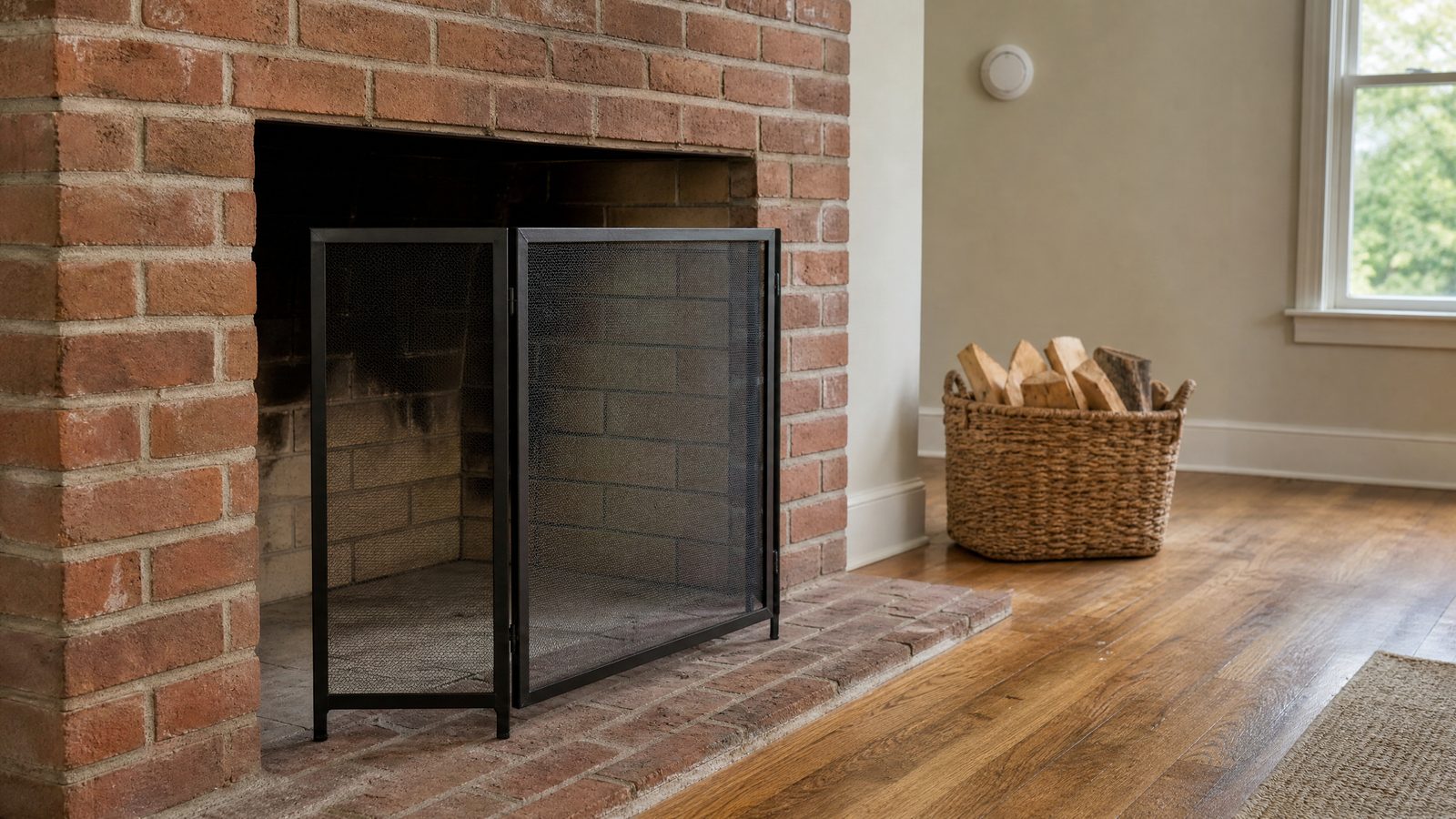
| 02 | Doors closed, screen upThe EPA says to keep the doors of a wood-burning appliance closed unless loading or stoking the live fire, because harmful chemicals like carbon monoxide can be released into your home. For an open fireplace, the USFA card says to keep a glass or metal screen in front of it to keep embers and sparks in. |
| 03 | Dry, seasoned wood onlyThe EPA says to burn only dry, split, well-seasoned wood, and not to burn wet or green wood. It also says to build hot fires, because for most appliances a smoldering fire is "not safe or efficient." |
| 04 | No liquid fuel to start itThe EPA says never to start a fire with gasoline, kerosene or charcoal starter. Portland Fire says never to use liquid fuel to start the fire in a fireplace or wood stove. |
| 05 | Don't burn what's lying aroundThe EPA's list of things not to burn includes household trash, cardboard, plastics, coated, painted and pressure-treated wood, plywood and particle board. Our note: in a long outage the temptation is to burn scrap. Don't. |
| 06 | Put it out before you sleep or leaveThe USFA card says to put the fire out before you go to sleep or leave your home. Our note: that means planning overnight warmth that does not depend on the fire, like layers, sleeping bags and one closed-off room. |
| 07 | Never heat with the ovenThe USFA and the Red Cross both say never to use an oven to heat your home. The Red Cross adds a cooking stove to that. |
Our judgment: treat the stove like any other piece of gear you depend on: same wood, same routine, same 3-foot rule every time, so nobody in the house is improvising at 2 a.m.
Ashes Stay Hot Longer Than You Think
Ashes are where a fire that is out can still start a new one.
| 01 | Metal can with a lidThe USFA card says to put ashes in a metal container with a lid. The EPA says a covered metal container. |
| 02 | Outside, away from the houseThe USFA card says to place the container outside at least 10 feet from your home. The EPA says to store it outdoors on a nonflammable surface. |
| 03 | Damp and cool first, and nothing else in the canPortland Fire says ashes need to be thoroughly dampened, cooled, and stored outside away from the building in metal cans used solely for ash storage, not in compost piles, cartons, boxes or anything else that is combustible. The Washington State Fire Marshal says to let ashes cool completely before putting them in a metal container with a tight-fitting lid. |
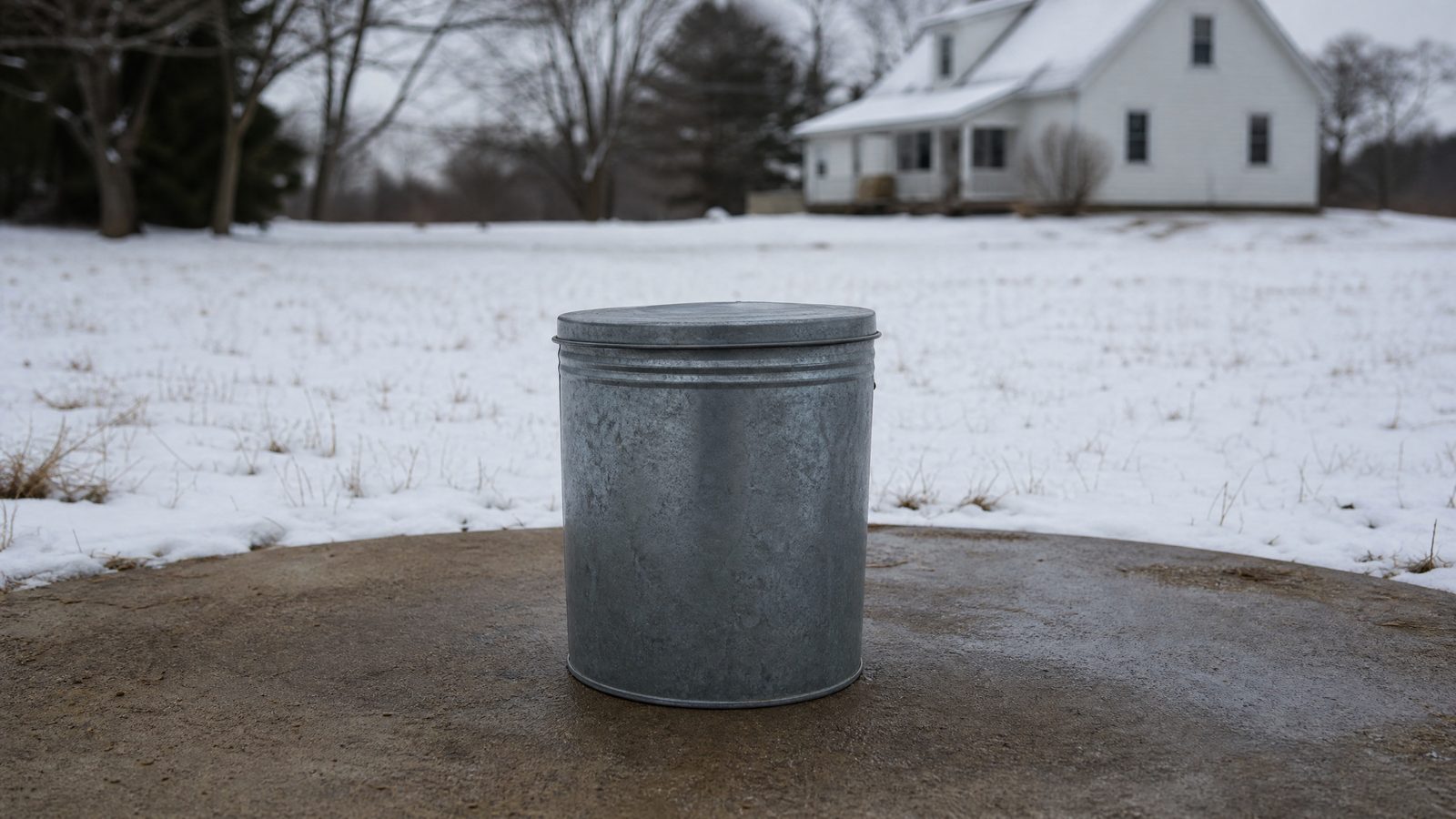
Our judgment: keep one can for ashes and nothing else, and give it a permanent spot outside. If the snow is deep, shovel a path to it before you need it.
Can you use newspaper? The U.S. Fire Administration card says "Do not burn paper in your fireplace or wood stove," and the Washington State Fire Marshal says to avoid burning paper in your fireplace. Portland Fire & Rescue explains the concern: paper and pine boughs "can float out the chimney and ignite your roof or a neighboring home." The EPA, on the other hand, says to start fires with newspaper, dry kindling or all-natural fire starters. Our read: dry kindling and all-natural fire starters are acceptable to every source here, so start with those, and if your local fire department says no paper, follow it.
Smoke, Carbon Monoxide and Chimney Fires
Know the warning signs before you light the first fire of the outage.
| 01 | If you smell smokeThe EPA says to shut down the wood-burning appliance, open a window, be sure the flue is open, carefully check the venting system, and call a professional wood stove installer or chimney sweep. |
| 02 | Working smoke and CO alarmsPortland Fire says to install and maintain smoke alarms and carbon monoxide detectors. The Washington State Fire Marshal says to test them regularly. For what CO poisoning looks like in a person, our sister site 1st Hour has a guide to carbon monoxide poisoning symptoms. |
| 03 | Know what a chimney fire sounds likePortland Fire lists the signs: "a loud roar, sucking sounds, shaking pipes, hot spots on the wall or chimney, or smoke in the house or apartment." The CSIA describes loud cracking and popping, dense smoke and an intense, hot smell. |
| 04 | Then get out and call 911Portland Fire's instruction is to shut off the fire's air supply, get everyone out of the house quickly, and call 911 from a cell phone or a neighbor's phone. |
| 05 | Have an extinguisher handyThe EPA says to keep a fire extinguisher handy, and the Washington State Fire Marshal says to know how to use it. See our guide to choosing a fire extinguisher. |
| 06 | Get it inspected afterwardThe CSIA says the majority of chimney fires go undetected, and that if you think one has occurred, you should call a CSIA certified sweep for an evaluation. It says a factory-built metal chimney damaged by a chimney fire should no longer be used and must be replaced. |
Our judgment: walk through the chimney fire plan with everyone in the house once, out loud: what it sounds like, who shuts the air, where you meet outside. Pair it with your home fire escape plan so it is one drill, not two.
Get The Wood Stove And Fireplace Outage Card As A PDF
One page for the mantel or the wood box: the before-the-season checks, the daily burn rules, where ashes go, and what to do if you hear a chimney fire.
Download the Card (PDF)Keep Your Winter Kit Growing
Every month, TacticalBox members get hand-picked tactical, survival, and outdoor gear, sourced ourselves from makers all over the country and curated to be some of the best equipment on the market, worth $150 or more per box on the Standard plan. It's an easy way to keep building out a real preparedness kit without hunting down every piece yourself. Backed by a money-back guarantee. Cancel, pause, or skip anytime.
Start Your MembershipThis content is for informational purposes only. Follow your stove or fireplace manufacturer's instructions and your local fire and building codes, and have your system inspected by a qualified professional. In a fire or a carbon monoxide emergency, get out and call 911.