
Building a 72-Hour Kit for Apartments and Renters
Ready.gov's basics are a gallon of water per person per day for several days, at least a several-day supply of non-perishable food, and a short list of tools: a radio, a flashlight, a first aid kit, extra batteries, a whistle and a few more. In a small apartment, pack it into one or two easy-to-carry containers, keep it in a designated spot near the door, and spend as much time on your building's exit route as on the gear. The U.S. Fire Administration says to count the doors between your apartment and the nearest fire exit, and never use the elevator to escape a fire.
Most preparedness lists quietly assume a house: a garage shelf for water, a basement for buckets of food, a yard to retreat to. If you rent an apartment, you may have a hall closet, the space under a bed, and a fourth-floor walk-up between you and the street.
"72-hour kit" is shorthand, and a useful one, but it is worth knowing that Ready.gov's own wording is several days. Treat three days as the floor and build from there. The good news is that the core list is short, fits in a duffel bag, and does not need a lease exception.
What Goes In The Bag
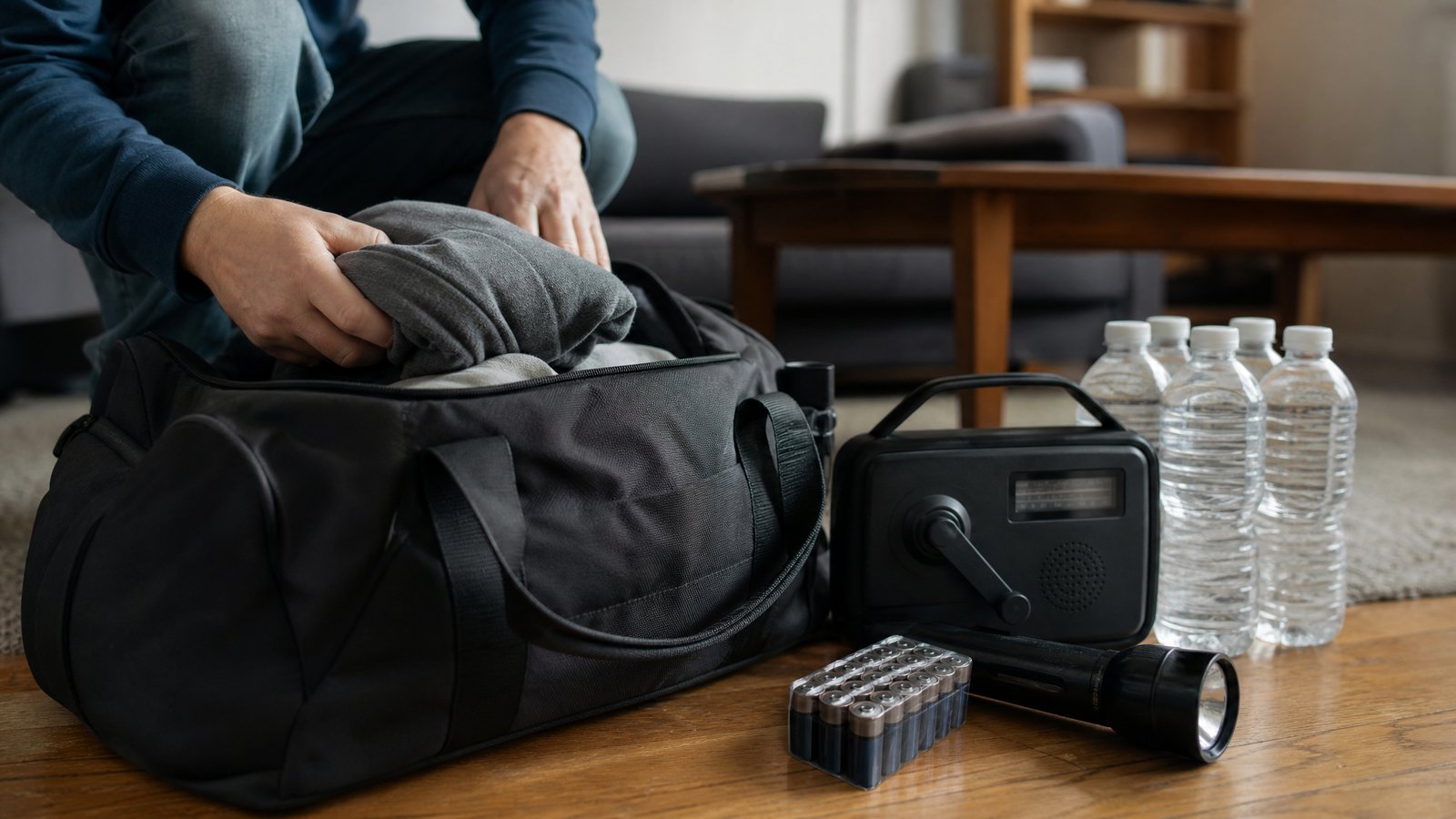
This is Ready.gov's basic kit list, regrouped so it is easier to pack. Nothing here is exotic, and most of it is already in a kitchen drawer or a junk closet.
| 01 | WaterOne gallon per person per day for several days, for drinking and sanitation. |
| 02 | FoodAt least a several-day supply of non-perishable food, plus a manual can opener. |
| 03 | Light and powerA flashlight, extra batteries, and a cell phone with chargers and a backup battery. |
| 04 | Information and signalingA battery-powered or hand crank radio, a NOAA Weather Radio with tone alert, a whistle to signal for help, and local maps. |
| 05 | First aid and sanitationA first aid kit, plus moist towelettes, garbage bags and plastic ties for personal sanitation. |
| 06 | Tools and shelterA dust mask to help filter contaminated air, plastic sheeting, scissors and duct tape to shelter in place, and a wrench or pliers to turn off utilities. |
One apartment-specific note on that last row: in a rented unit you may not control the water, gas or power shutoffs. It is worth asking your property manager which ones are yours and where they are, before the day you need to know.
Water And Food In A Small Space
At Ready.gov's baseline of a gallon per person per day, three days for one person is three gallons. A gallon of water weighs a little over 8 pounds, so that is roughly 25 pounds before you add anyone else or a fourth day. That is the number that decides where the kit lives and whether you can carry it down the stairs.
Ready.gov's water guidance is to buy commercially bottled water and store it in the sealed original container in a cool, dark place. Water that has not been commercially bottled should be replaced every six months. It also notes that children, nursing mothers and sick people may need more, and that in very hot temperatures water needs can double, which matters in an apartment that loses air conditioning. Flat cases slide under a bed or sit on the floor of a closet, and splitting the supply between the bag and a storage spot keeps the bag carryable. Our guide to water storage basics goes deeper on amounts and containers.
For food, Ready.gov's suggestions are practical for a tiny kitchen: ready-to-eat canned meats, fruits and vegetables, protein or fruit bars, dry cereal or granola, peanut butter, dried fruit, canned juices and non-perishable pasteurized milk. Commercially canned food can be eaten out of the can without warming, which is handy when the stove is electric and the power is out. Choose foods you will actually eat, and remember any special dietary needs.
Where It Lives, And When You Check It
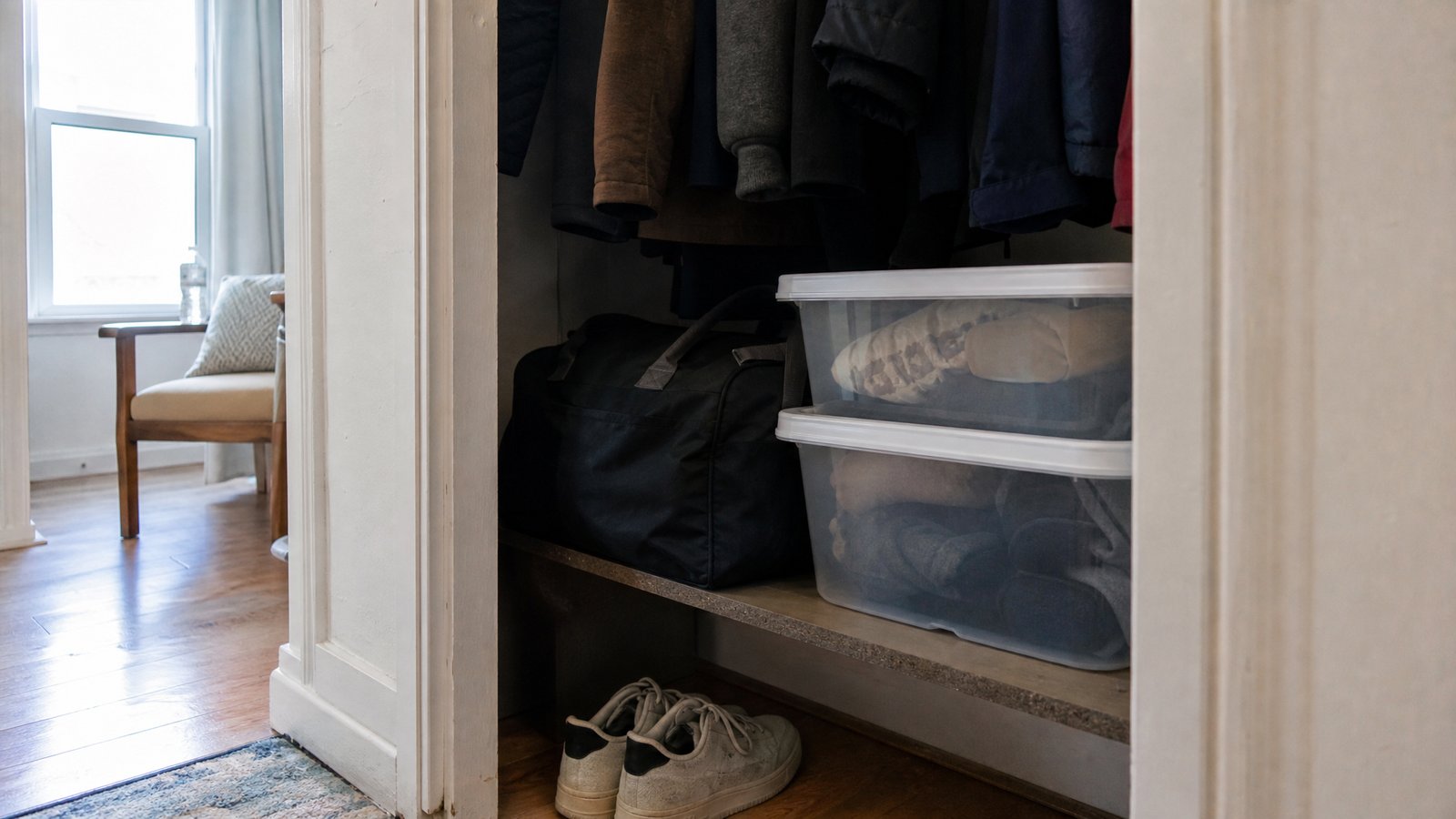
Ready.gov's advice on storage is refreshingly small-scale: store items in airtight plastic bags and put the entire kit in one or two easy-to-carry containers such as plastic bins or a duffel bag. Keep it in a designated place, ready in case you have to leave home quickly, and re-think your needs every year as your household changes.
A Practical Spot For An ApartmentA hall or entryway closet works well, because it is between you and the door and out of the way of everyday life. Put the bag where you can reach it in the dark without moving anything. Put the date you last reviewed it on a piece of tape on the handle, and set a calendar reminder for the same day next year.
Ready.gov also suggests keeping kits for home, work and vehicles. If you want a bag built to leave on foot, rather than a kit built to stay put, that is a different list, and our bug-out bag essentials guide covers it.
Know Your Way Out
In an apartment, the most likely reason you will need to leave fast is a fire, possibly one that started in a unit you have never seen. The U.S. Fire Administration's escape plan guidance and its apartment fire safety sheet give the habits below. They come from two separate pages, so think of them as things to rehearse rather than a fixed sequence.
| 01 | Find two ways out of every roomThen choose an outside meeting place in front of the building. |
| 02 | Count the doors to the nearest fire exitMemorize the number in case you have to find the exit in the dark. |
| 03 | Check the door before you open itIf it feels warm to the touch, do not open it. If it is cool, open it slowly, stay low and check the hallway for smoke or fire. |
| 04 | Close the door behind you and pull the alarmPulling the fire alarm on your way out notifies the fire department and your neighbors. |
| 05 | Use the stairs, not the elevatorNever use an elevator to escape a fire, unless the fire department directs you to. |
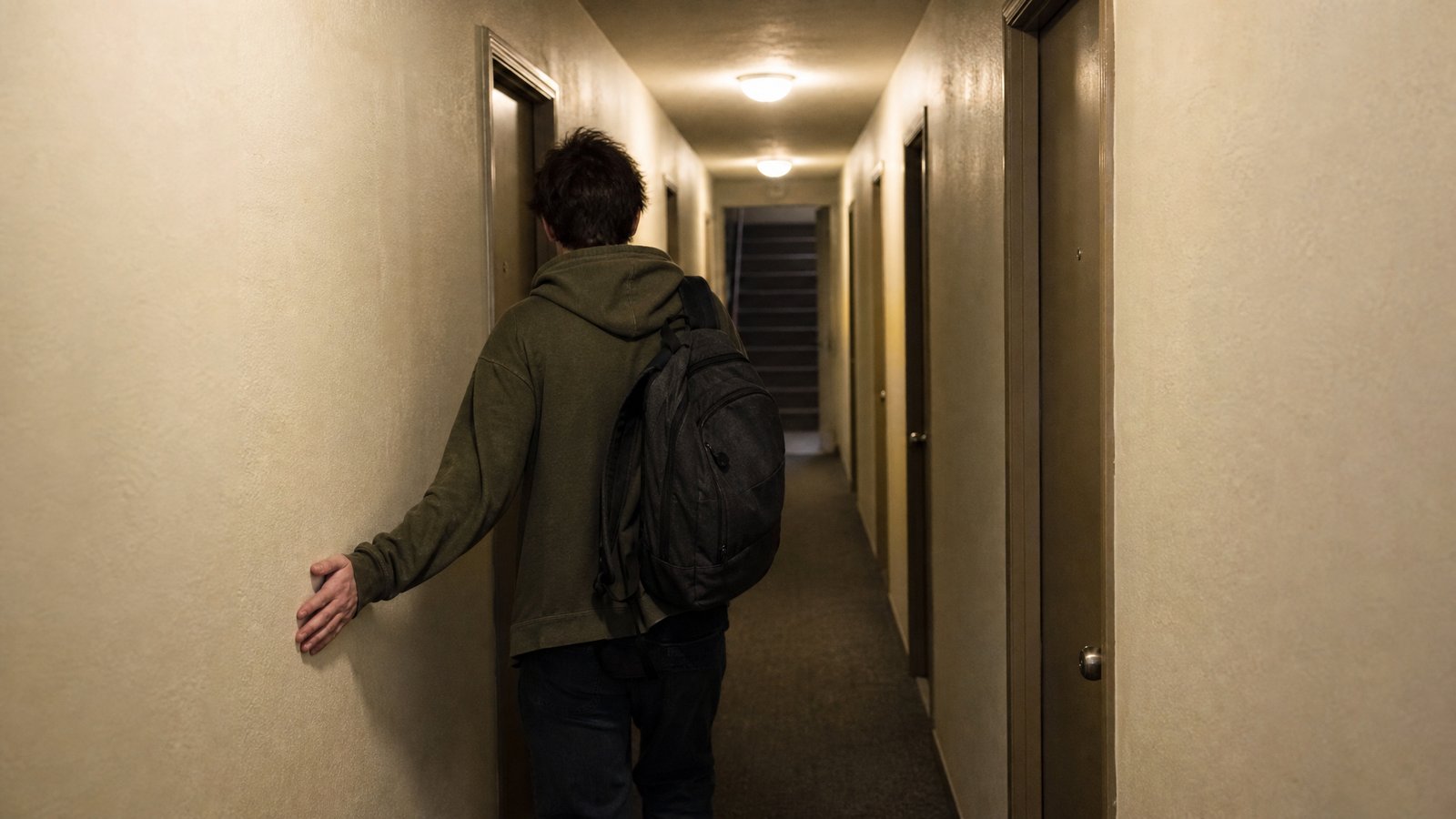
The Fire Administration adds that residents may have less than two minutes to escape once the smoke alarm sounds. That is the argument for having the bag in a known place and the route already in your legs.
If You Cannot Get Out
The same apartment fire sheet covers the case nobody wants to rehearse: the hallway is not passable. Its guidance is to stuff the cracks around the door with towels, rags, bedding or tape and cover the vents, then wait at a window and signal for help with a flashlight or by waving a white cloth. Once you are out, stay out. Do not go back inside for any reason, and wait until firefighters say it is safe.
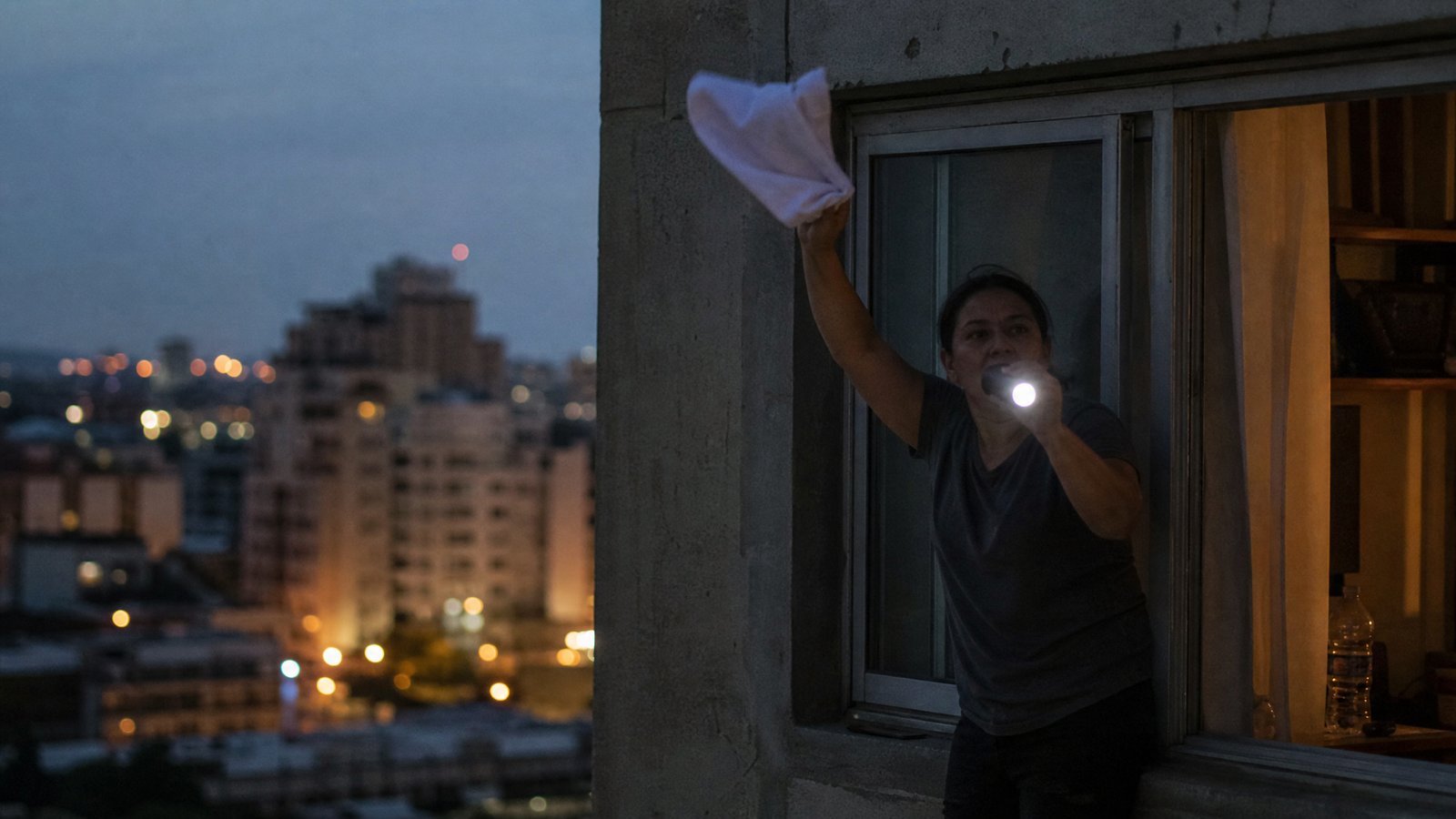
This is one more reason the kit's flashlight and tape earn their space, and why the bag belongs near the door rather than buried. If you have not thought about the fire side of your unit yet, our guide to choosing a fire extinguisher explains when to use one and when to leave, and your lease or property manager can tell you what the building already provides.
What Renters Insurance Does Not Cover
FEMA's flood insurance program for agents puts it plainly: standard renters insurance does not cover flood damage, and the landlord's flood insurance protects the building but not your belongings. The National Flood Insurance Program offers contents-only policies designed for renters. The same page notes that from 2014 to 2024, almost one-third of NFIP flood insurance claims came from areas outside high-risk zones.
That is not a reason to panic, only a reason to read your own policy and ask your agent what it covers. A kit keeps you safe for a few days. It does not replace a couch. For the medical side of the kit, 1st Hour's home first aid kit checklist is a good companion, and its family emergency plan covers the who-meets-where conversation.
Get The Apartment Kit Field Card As A PDF
One page: the kit list as a checklist, the water math, the building exit habits, and a yearly review log to tape inside a closet door.
Download the Field Card (PDF)Build The Rest Of Your Kit While You're At It
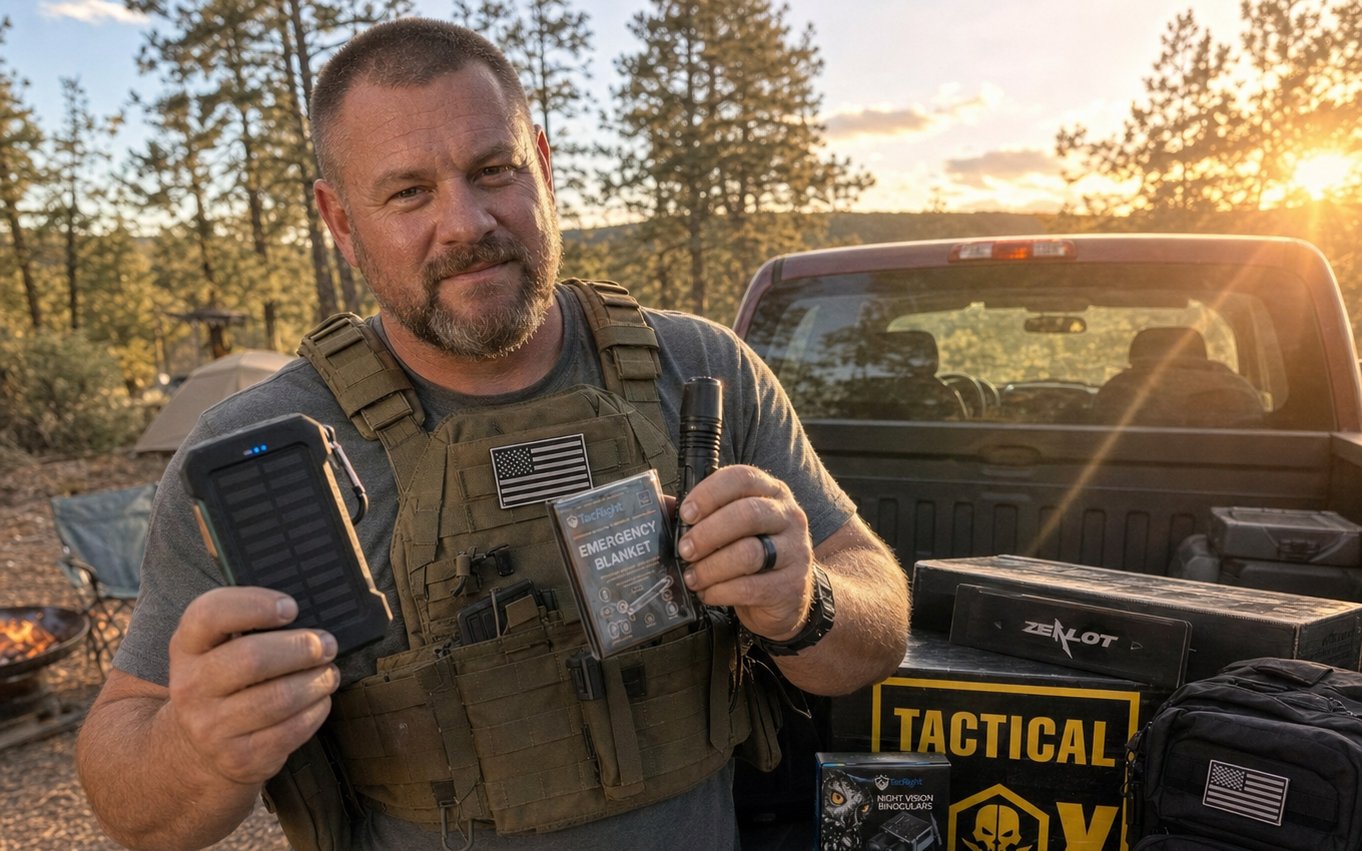
Every month, TacticalBox members get hand-picked tactical, survival, and outdoor gear, sourced ourselves from makers all over the country and curated to be some of the best equipment on the market, worth $150 or more per box on the Standard plan. It's an easy way to keep building out a real emergency kit without hunting down every piece yourself. Backed by a money-back guarantee. Cancel, pause, or skip anytime.
Start Your TacticalBoxThis content is for informational purposes only and is not a substitute for training from your local fire department, your building's emergency plan, or the terms of your own lease and insurance policy. Quantities and timing vary by household. If there is a fire, leave immediately and call 911.