Bug-Out Bag Essentials: What to Pack and Why
Pack one gallon of water and a three-day supply of food per person, a stocked first aid kit with a week of any medications, a headlamp with extra batteries, a way to get news and signal for help, and copies of your important documents sealed in a waterproof pouch. Build it once, keep it by the door, and check it every six months.
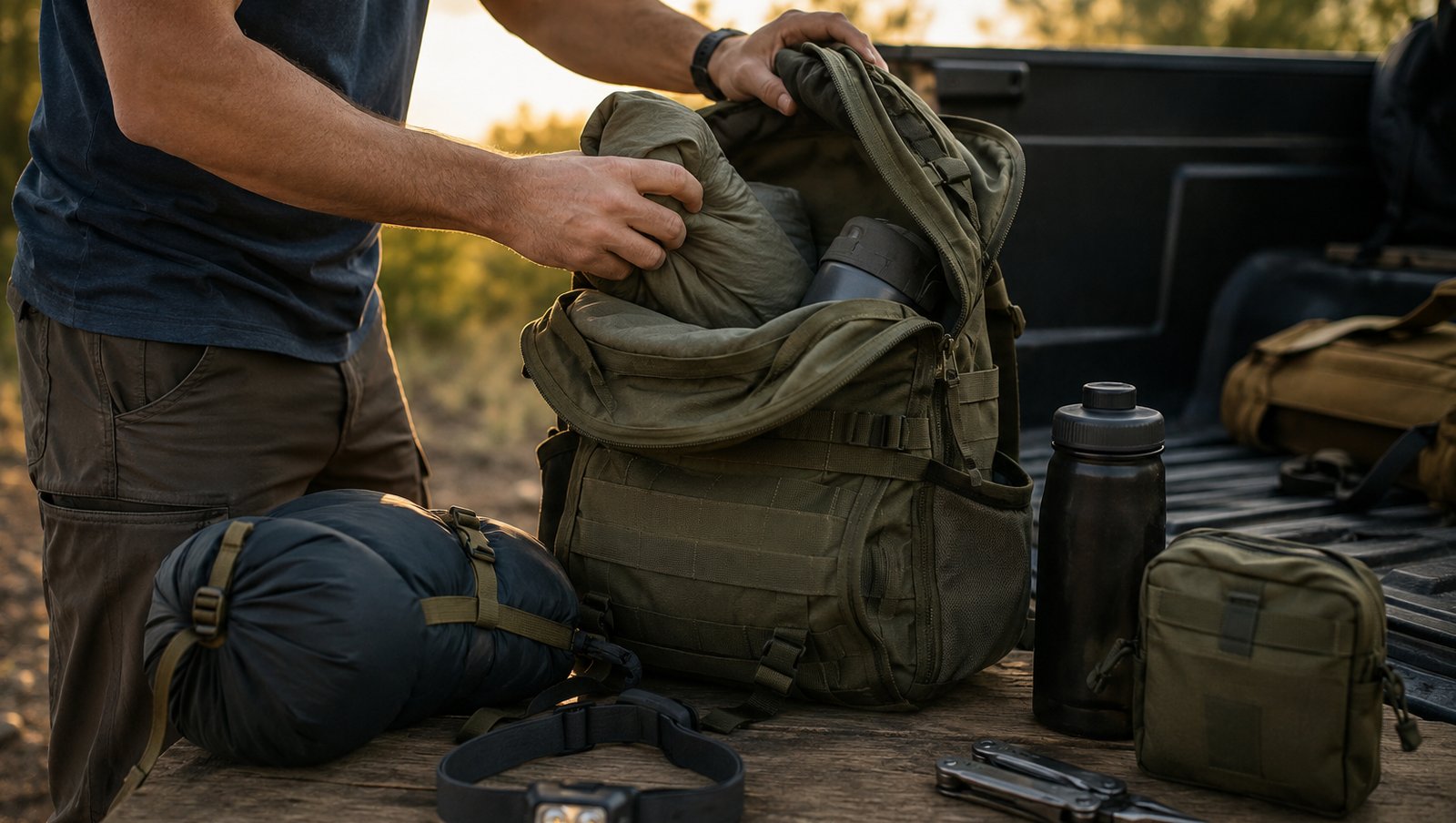
A bug-out bag isn't the same thing as the emergency supplies you keep stocked at home. It's the one bag you grab on your way out the door when there isn't time to think, whether that's a wildfire evacuation order, a flood warning, or a gas leak down the street. The goal is simple: everything you need to get through the first 72 hours should already be packed, so the only decision left in the moment is which direction to drive.
Water and Food: The Non-Negotiables
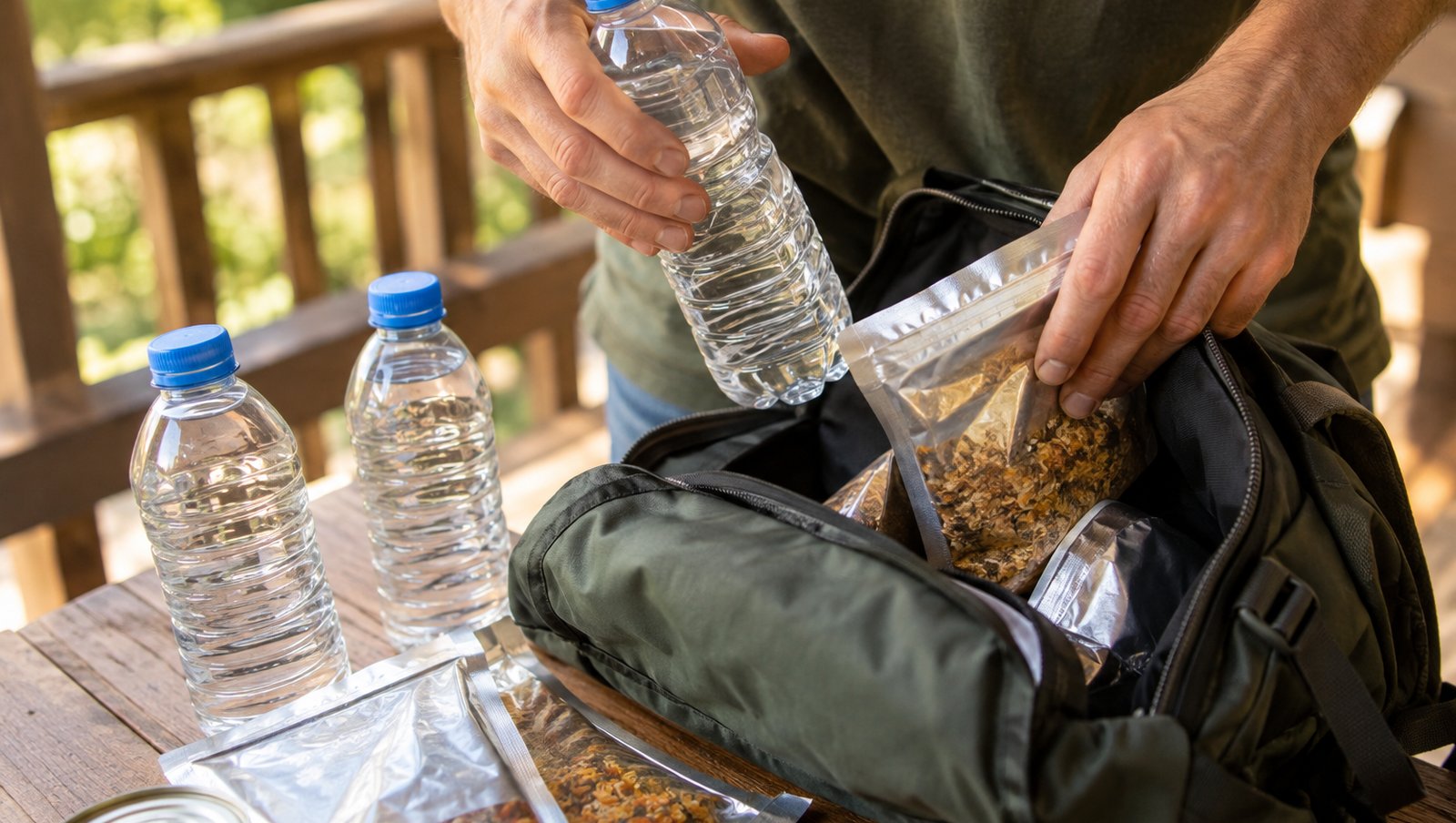
Water comes first. FEMA recommends one gallon per person per day, for at least three days, for drinking and basic sanitation. That's heavy, so a lot of people split the load between sealed bottles and a compact water filter that can turn a stream or tap into something safe to drink if the bottles run dry. Pair that with a three-day supply of food that doesn't need cooking: energy bars, dried fruit, jerky, and shelf-stable pouches all travel well and don't spoil if the bag sits untouched for months. Toss in a manual can opener if you're packing anything in a tin.
First Aid and Medications
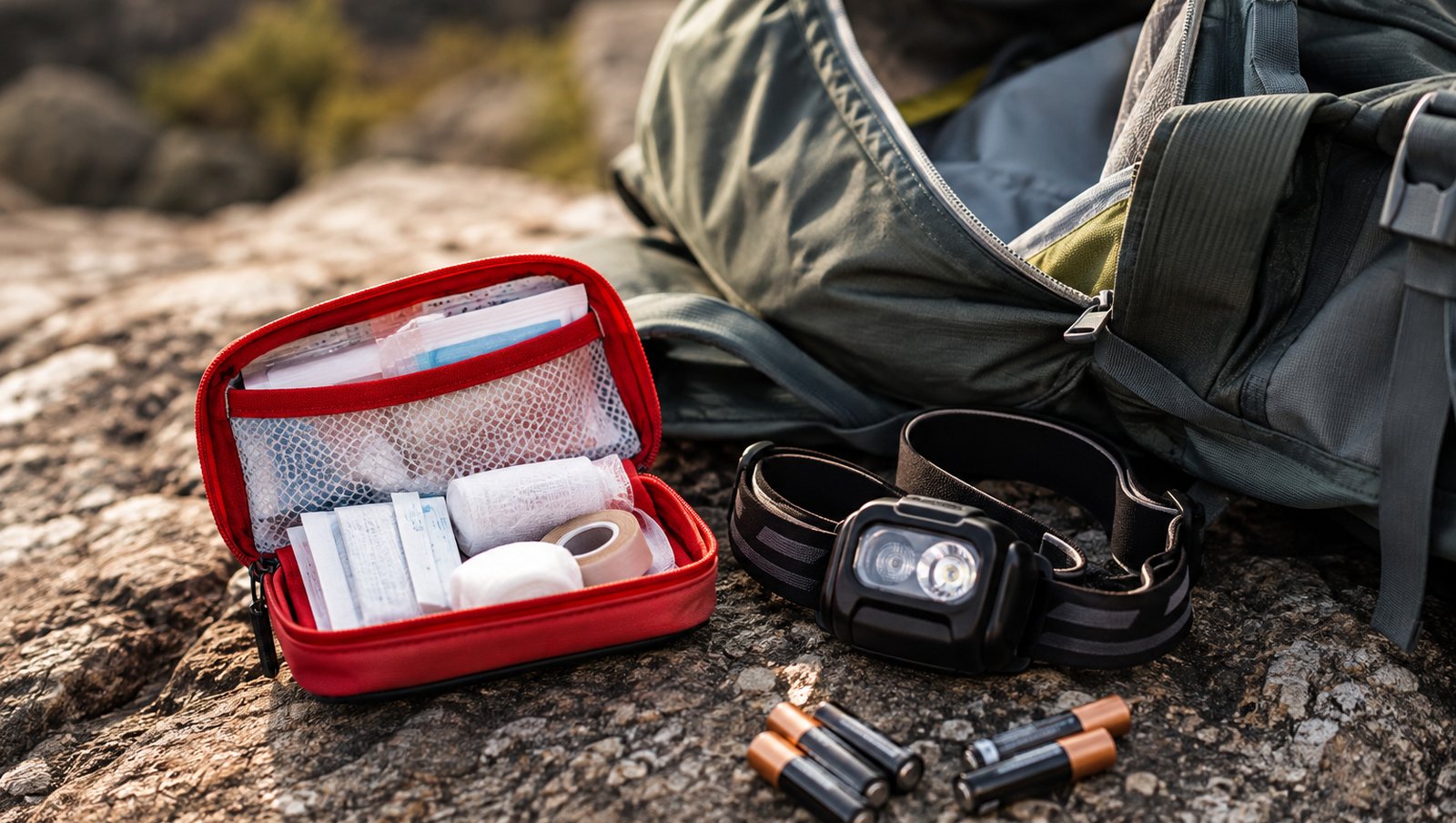
Cuts, sprains, and blisters don't wait for a hospital to reopen. Keep a stocked first aid kit in the bag at all times, and per the American Red Cross, add a seven-day supply of any prescription medications along with basics like pain relievers, antacids, and anti-diarrhea medicine. If anyone in the house wears glasses or contacts, pack a spare pair or extra solution too. This is the section people forget to check, and it's also the one that expires fastest, so it earns its own look every time you rotate the bag.
Light, Power, and Staying in the Loop
A headlamp beats a flashlight for this bag specifically, since it keeps both hands free while you're moving or setting up shelter. Pack extra batteries, and add a battery or hand-crank radio with a NOAA weather alert function; cell towers go down right alongside the power grid, and a radio doesn't care. A whistle sounds low-tech, but it carries farther than your voice will after an hour of yelling, and it costs nothing to clip one to the outside of the bag. A power bank or hand-crank charger keeps a phone alive for the calls that actually matter.
Documents, Tools, and Cash
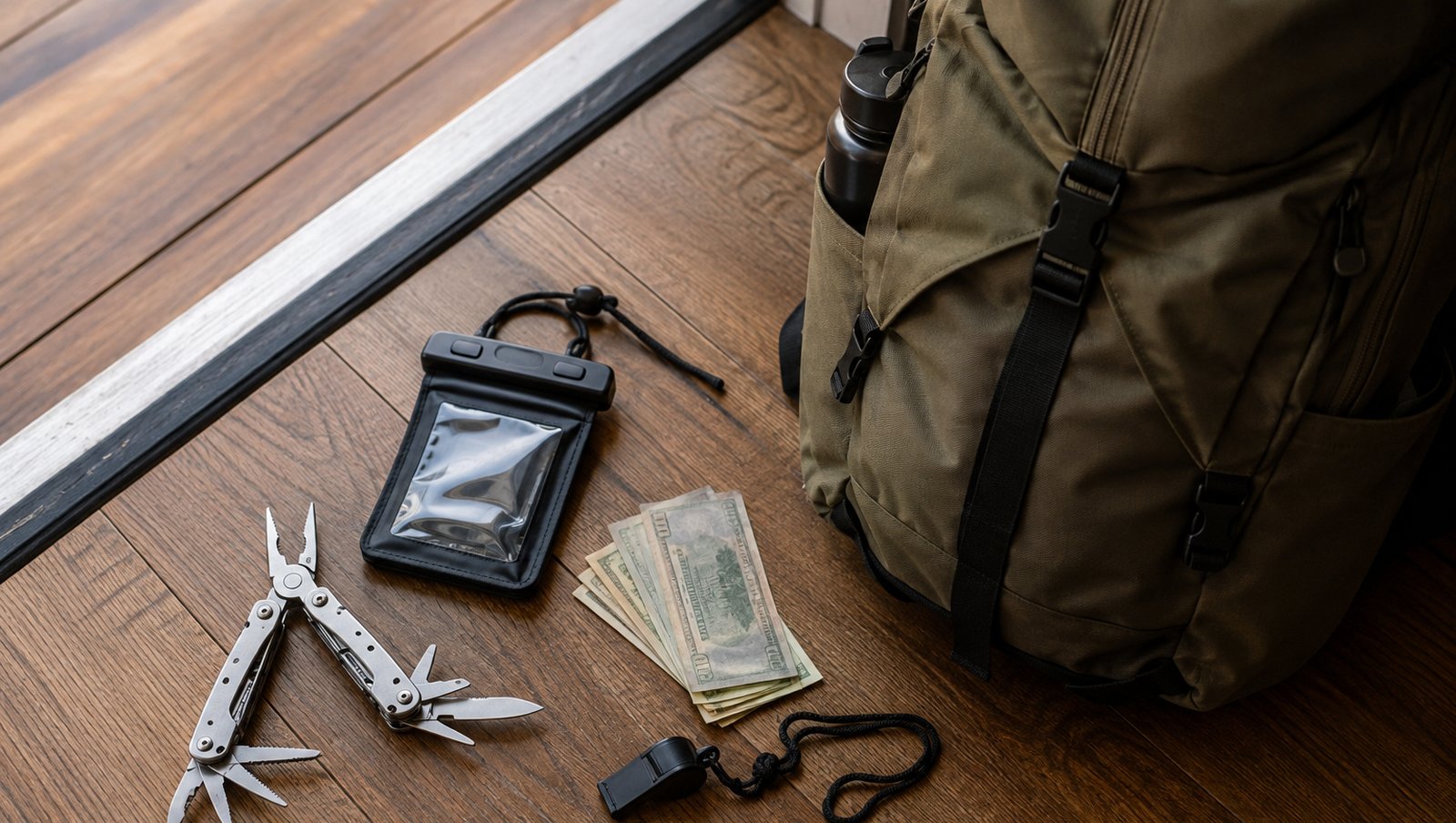
A multi-tool covers most small repairs and improvised fixes without adding much weight. Seal copies of IDs, insurance policies, and any medical information in a waterproof document pouch. Add cash in small bills, since card readers and ATMs don't work without power. None of this is exciting to pack, which is exactly why it's the stuff people forget until they're standing outside without it.
Clothing, Shelter, and Where to Keep the Bag
Pack one full change of clothing suited to your climate, along with sturdy shoes and a compact emergency blanket or lightweight sleeping bag. None of it needs to be fancy; it just needs to keep you dry and warm long enough to get somewhere safer. Once it's packed, the bag belongs by the door or in a hall closet you can reach in the dark, not buried in the garage behind holiday decorations. If you drive often, a smaller version belongs in the car too.
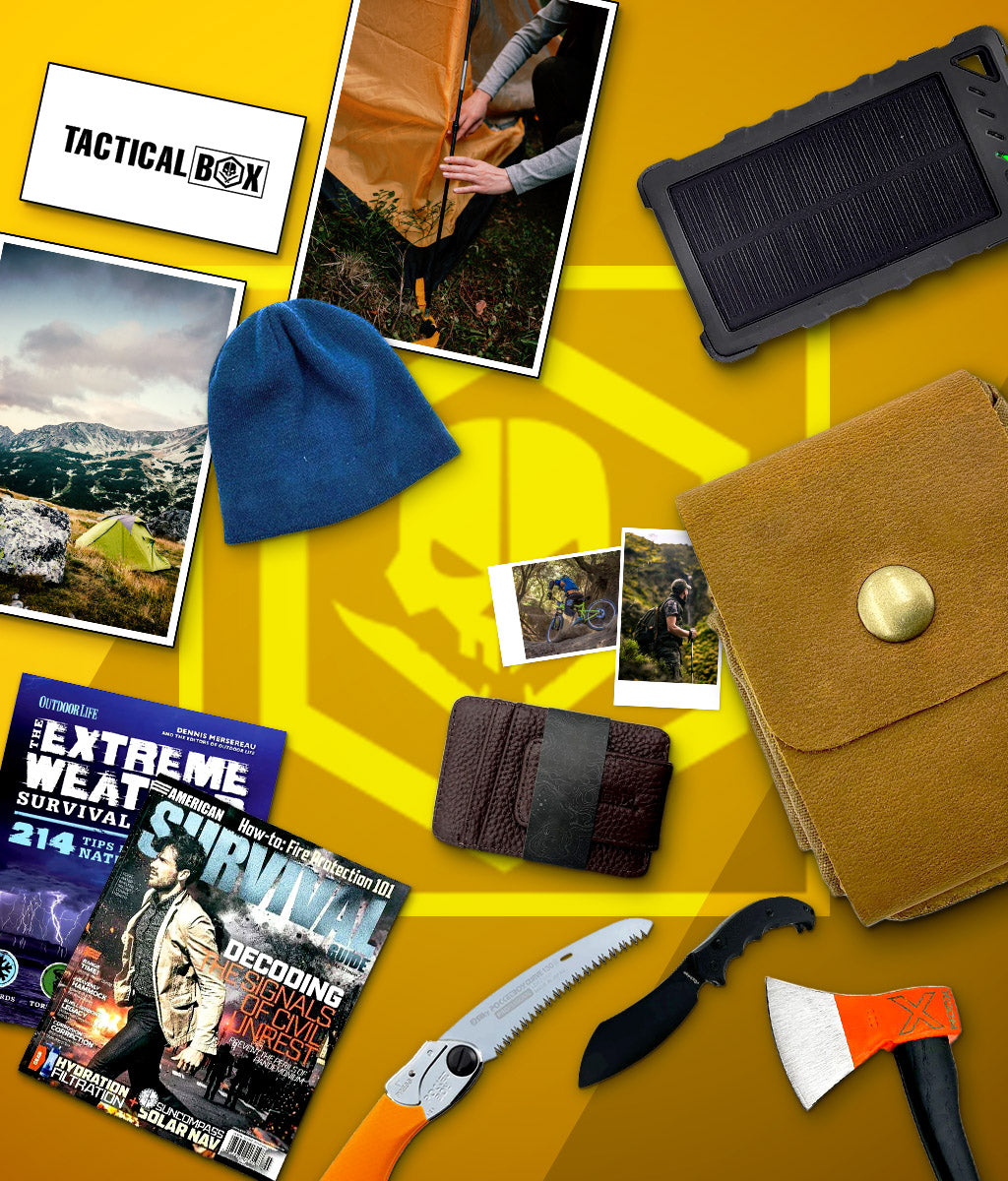
None of this requires a bunker's worth of gear, just the basics packed and ready before you need them: water, food that doesn't spoil, a first aid kit, a way to see and a way to hear what's happening, and the documents that prove who you are. That's the kind of gear TacticalBox members get delivered every month, so a good chunk of the bag is already sitting in the closet long before an evacuation order shows up.
If most of your time away from home is spent behind the wheel, it's worth building a smaller version for the car too. Check out 1st Hour's car emergency kit essentials guide for the 12 items worth keeping in the trunk.
Get This Checklist as a Printable PDF
Everything above, condensed to one page you can print and tape inside the closet door — check items off as you pack.
Download the Checklist (PDF)Never Scramble For Gear Again
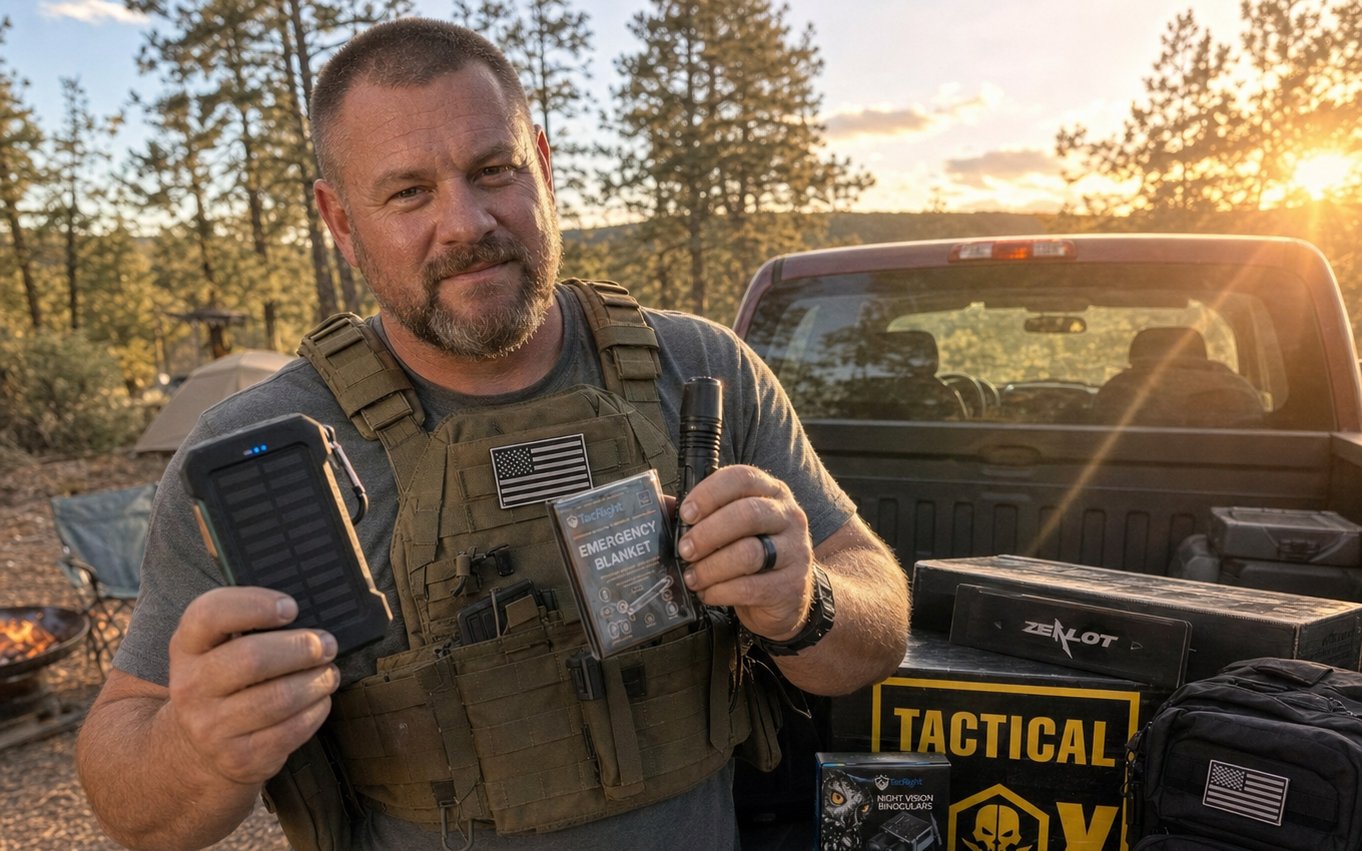
Every month, TacticalBox members get hand-picked tactical, survival, and outdoor gear, sourced ourselves from makers all over the country and curated to be some of the best equipment on the market, worth $150 or more per box. Subscribe once and the right gear keeps showing up before you need it, backed by a money-back guarantee.
Get Your TacticalBoxThis content is for informational purposes only and is not a substitute for guidance from local emergency management officials during an actual evacuation event.