Home Security Basics for Off-Grid Properties
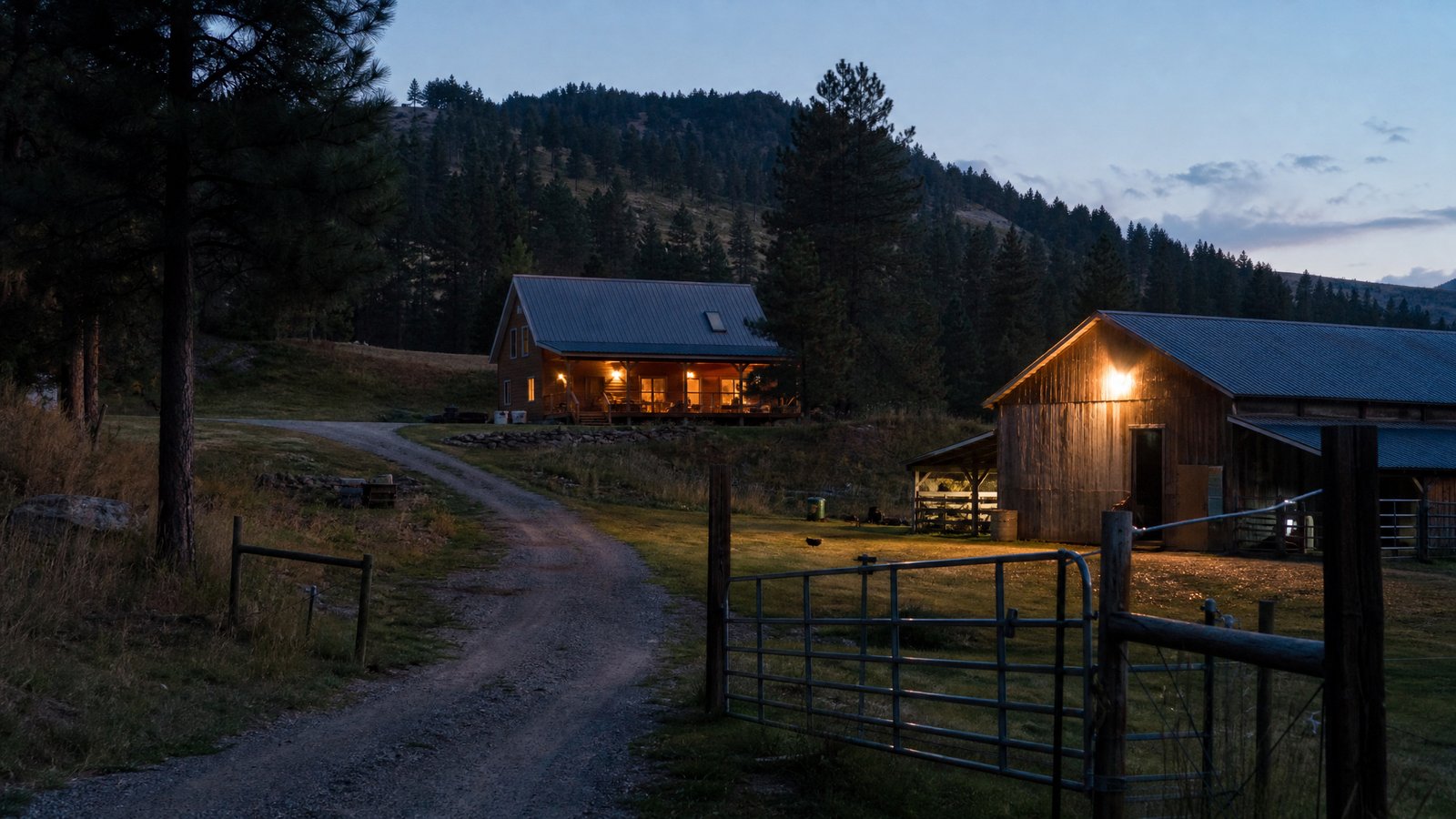
Off-grid security is a layers game. Start at the property line: a locked gate, clear sightlines down the driveway, and a driveway alarm that announces visitors before they reach the house. Harden the buildings next: solid doors and deadbolts, motion lighting on the house and every outbuilding, and valuables locked up, marked, and photographed. Then add eyes for when you're away: a dog, cameras that don't depend on the grid, and neighbors who know what belongs on your land. Distance cuts both ways out here. It keeps you off most thieves' radar, and it means you are the first responder.
Living off-grid solves a lot of problems. Security isn't automatically one of them. Burglary has been falling nationwide for years, but the FBI still counted an estimated 405,776 residential burglaries in 2024, over a thousand a day, and remote properties carry their own version of the risk. There's no patrol car cruising past your place at 2 a.m. There may be no neighbor within earshot. If something happens, help is measured in miles, not minutes. Utah State University Extension puts it plainly in its guidance on rural theft: the fundamental element of rural crime is opportunity. Thieves want to work without being seen, without taking much time, and without making much noise, and an isolated property hands them all three unless you take them away. That's the whole strategy in one sentence. Make your place the one that looks like too much trouble.
Start at the Property Line
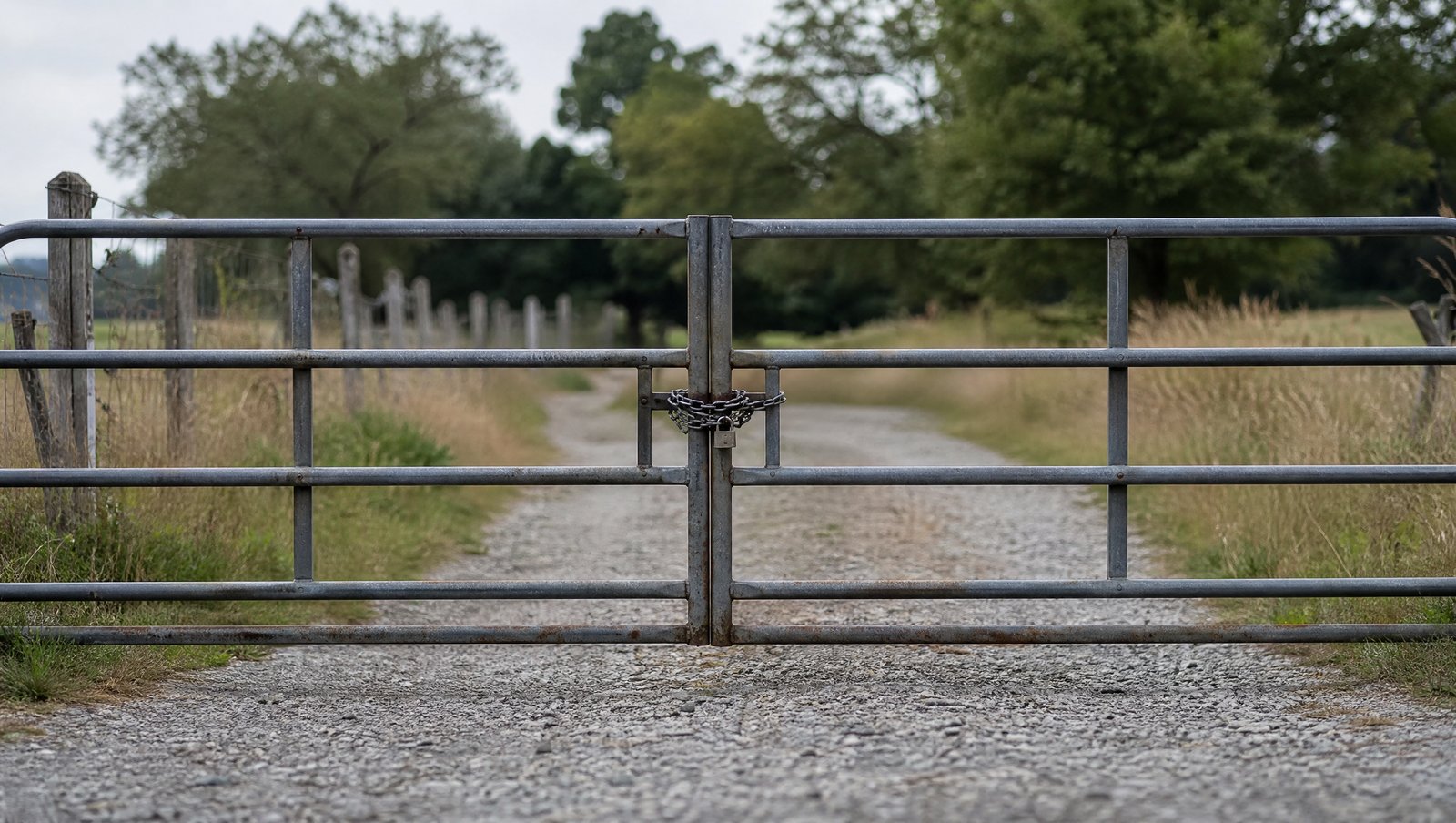
Security begins long before the front door. A sturdy gate across the driveway, closed and locked with a heavy case-hardened chain and a quality padlock, is the single cheapest filter you can buy. It won't stop a determined intruder on foot, and it doesn't need to. It stops vehicles, and rural theft almost always involves a vehicle, because fuel, tools, and equipment are heavy. No truck at the door means most of what you own is staying put. Next, work on what you can see. Clear the brush and low branches along the driveway and around the house so there's nowhere to approach under cover, and keep the approach visible from a main window. Gravel is your friend: you can hear a vehicle crunching up a gravel drive from a long way off. Add a simple driveway alarm, a solar or battery-powered sensor that chimes in the house when anything crosses the entrance, and you'll never be surprised by a visitor again. One more habit costs nothing. Don't advertise. Equipment parked in view of the road, deliveries stacked on the porch, or a generator humming beside an obviously empty house all tell a passing stranger exactly what's worth coming back for.
Harden the House and Every Outbuilding
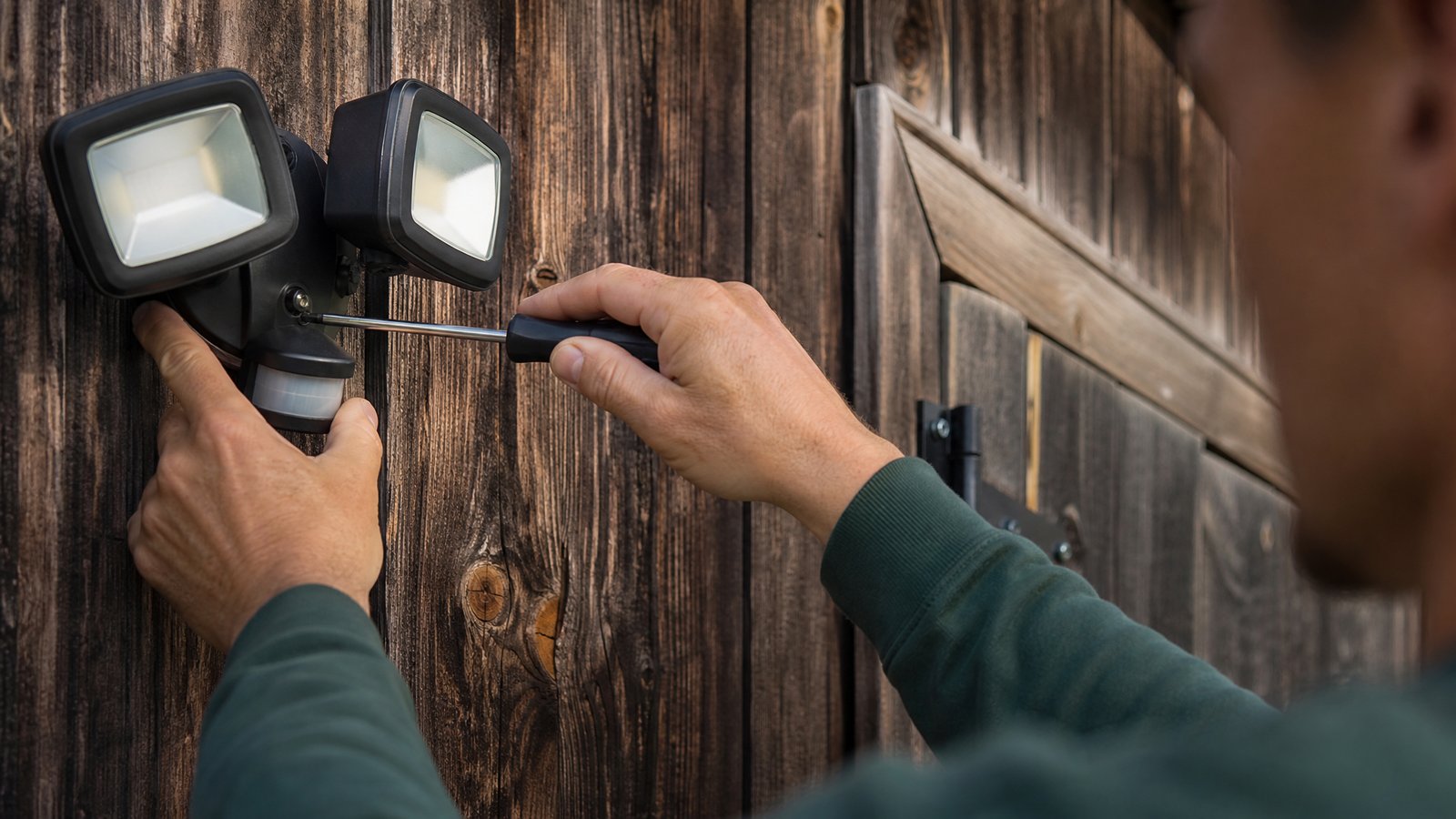
Most rural break-ins aren't clever. They're a pry bar against a soft door or a walk into an unlocked shed. So start with the boring fixes that work: solid-core or metal exterior doors, deadbolts with reinforced strike plates set with 3-inch screws that bite into the framing, and locks on every window, including the ones on outbuildings that "only hold junk." The shed and the barn deserve the same respect as the house, because that's where the resale value sits: chainsaws, tools, fuel, and machinery. USU Extension's rural theft guidance recommends sturdy, well-locked storage buildings, security lighting on sensors or timers around sheds and equipment, locked fuel tanks positioned where you can see them from the house, and keys pulled from every machine when it's parked. Motion floodlights matter double off-grid, where ambient light is zero on a cloudy night; modern LED fixtures sip so little power that even a modest solar setup can carry them. Then make your property a bad place to fence stolen goods: engrave or stamp an ID number on tools and equipment, photograph everything, and keep a written inventory. Marked gear is harder to sell and easier to get back, and the photos turn an insurance claim from an argument into a checklist.
Eyes and Ears for When You're Not There
An off-grid property spends a lot of hours unwatched, and that's the window thieves count on. Close it with detection that doesn't depend on utility power. Solar and battery-powered trail cameras have gotten cheap, and cellular models will send a photo to your phone the moment something moves at the gate, no Wi-Fi required. Position one covering the driveway entrance and one covering the main buildings, and check the batteries on a schedule instead of when you remember. A dog remains one of the best alarm systems ever fielded: it hears what you don't, it announces strangers, and its bark carries conviction no speaker can fake. People are the last layer, and out here they're the strongest one. Trade watch duties with the nearest neighbors, even distant ones. Tell them when you'll be gone, learn their vehicles and let them learn yours, and write down plates and descriptions when something out of place rolls through. USU Extension recommends exactly this kind of informal rural watch, along with two habits that cost nothing: be seen moving around your property often, and vary your routine so nobody can set a clock by your absences. And report every theft, no matter how small. A missing gas can seems like nothing until the county's reports get mapped and a pattern surfaces.
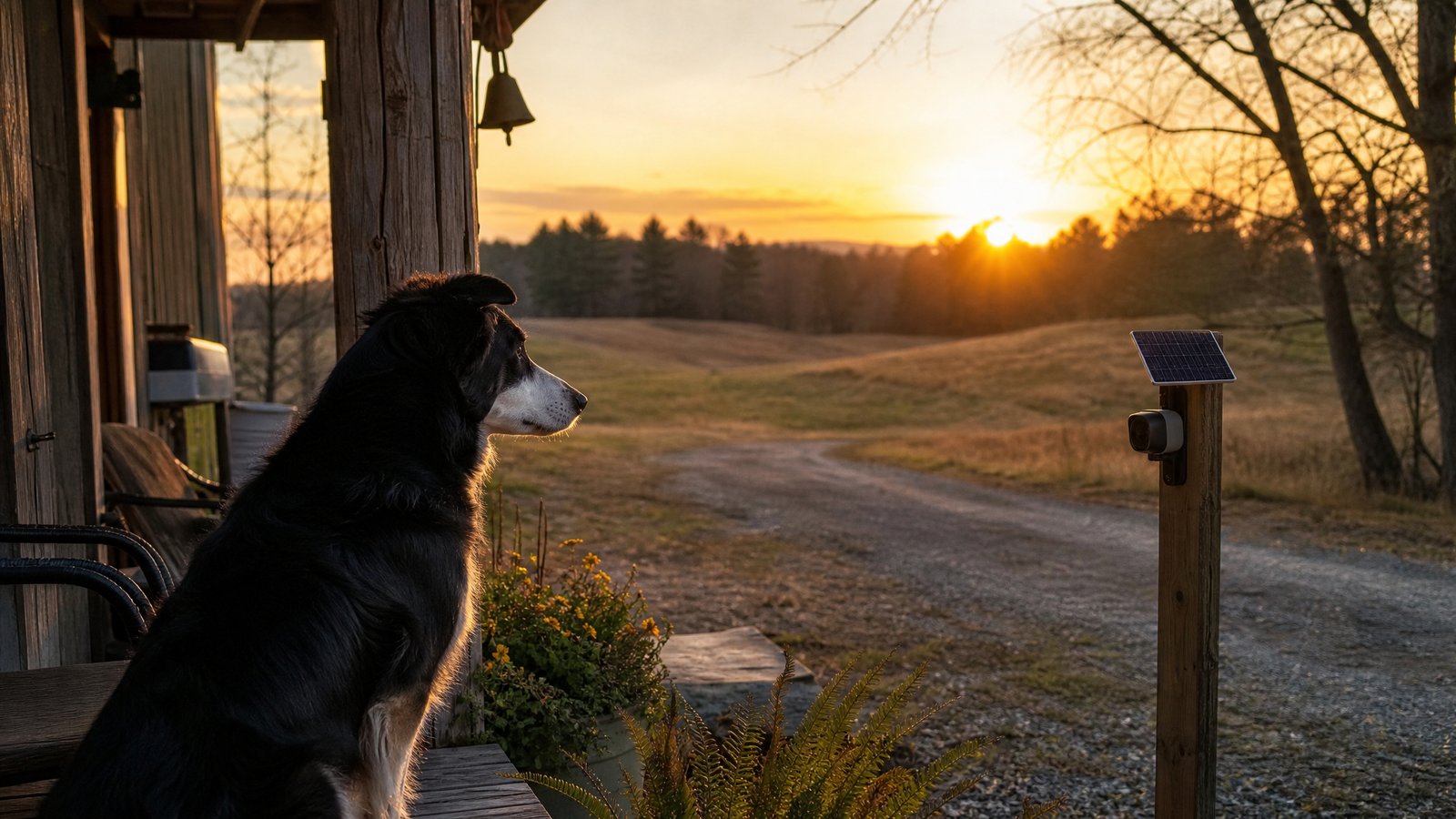
None of this needs to happen in one weekend. Lock the gate this week, mount the lights next, and let the layers stack up until a stranger's honest first impression of your place is that somebody is paying attention. One more layer belongs in the same plan: what your household actually does when something goes wrong, because out here you handle the first hour yourself. Our friends at 1st Hour wrote a practical guide on building a family emergency plan that covers communication, meeting points, and who does what. Security protects the property. A plan protects the people on it.
Get the Off-Grid Home Security Checklist as a Printable PDF
The perimeter layer, the building hardening steps, and the away-from-home detection setup, all on one sheet you can walk the property with.
Download the Checklist (PDF)Never Scramble For Gear Again
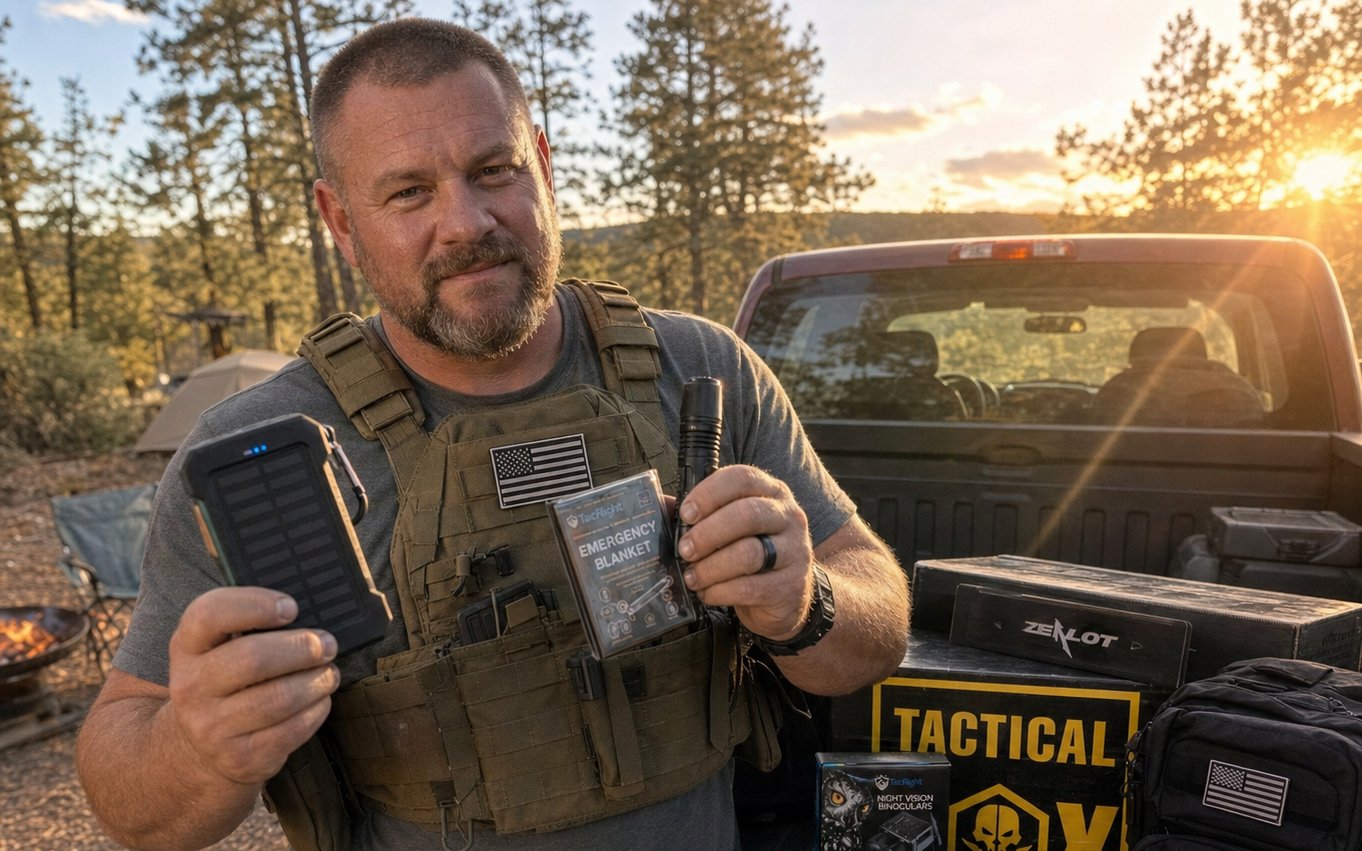
Every month, TacticalBox members get hand-picked tactical, survival, and outdoor gear, sourced ourselves from makers all over the country and curated to be some of the best equipment on the market, worth $150 or more per box. Subscribe once and the right gear keeps showing up before you need it, backed by a money-back guarantee.
Get Your TacticalBoxThis content is for informational purposes only. Laws on cameras, signage, and property protection vary by state and county: check your local rules before installing surveillance equipment, and always report theft or trespassing to your local sheriff or law enforcement agency rather than confronting an intruder yourself.